Click here to get this post in PDF
Last updated September 2026
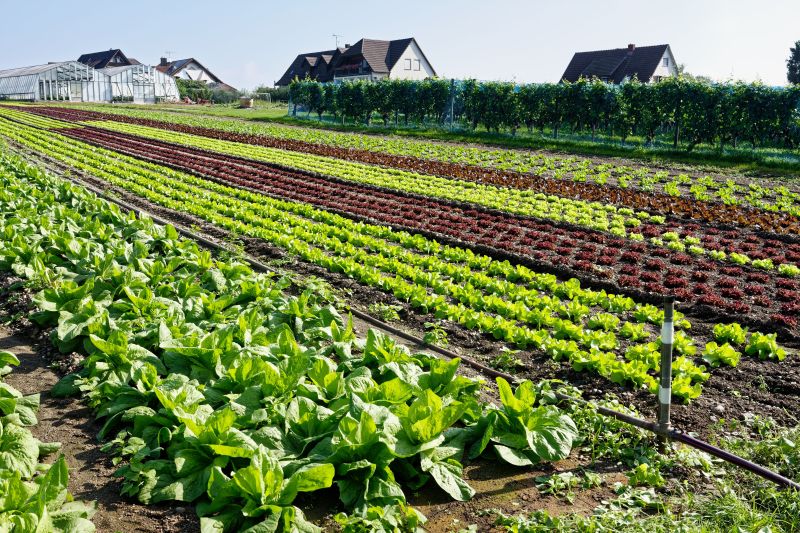
One of my great passions outside business is spending time on my allotment, where I grow a variety of vegetables throughout the season. Gardening is an ongoing learning process. Although there are hundreds of books and programmes offering advice, there is no substitute for trying different approaches, observing the results and learning from experience.
Over the years, I have experienced some spectacular failures. Some happened because I made the wrong decision, while others resulted from poor growing conditions, unpredictable weather or pests such as slugs.
Those experiences have taught me that growing vegetables requires time, energy and, most importantly, planning. The same principles apply to growing a business. You must prepare carefully, understand what you want to achieve, remain consistent and adjust your approach when circumstances change.
Prepare the Ground Before You Begin
A successful growing season starts long before the first vegetables appear. The soil must be prepared, suitable crops selected and planting times planned.
Business growth also requires preparation. Before promoting your products or services, you need to understand what you offer, who needs it and why they should choose your business.
Ask yourself:
- Who is my ideal customer?
- What problem does my product or service solve?
- What makes my business different?
- Where does my target audience spend its time?
- Which message is most likely to attract its attention?
- What result do I want my marketing to achieve?
Without this preparation, even a well-designed campaign may reach the wrong audience or communicate the wrong message. Just as seeds struggle in unsuitable soil, marketing is unlikely to succeed when it is not supported by a clear strategy.
Plant the Right Message in the Right Place
Different vegetables need different growing conditions. Some require direct sunlight, while others perform better in cooler or more sheltered areas. Planting the right seed in the wrong location can limit its chances of success.
Your marketing message also needs the right environment. A business should not use a platform simply because it is popular. It should choose channels based on its customers, objectives and available resources.
A professional services company may benefit from LinkedIn, email marketing and industry events. A visual consumer brand may gain more attention through Instagram, Pinterest or short-form video. A local business may find that community partnerships, local search and customer referrals deliver better results.
The important thing is to place your message where the people most likely to need your business can find it.
Maintain Your Marketing Consistently
Once vegetables have been planted, they cannot simply be ignored until harvest time. They need watering, feeding, weeding and regular monitoring.
Marketing requires the same consistency. Publishing one social media post, sending one email or attending one networking event is unlikely to produce meaningful business growth by itself.
A manageable, consistent routine is usually more effective than occasional bursts of activity. This might include:
- Publishing useful content regularly
- Following up with potential customers
- Keeping your website and business information current
- Responding to enquiries promptly
- Maintaining contact with existing customers
- Reviewing campaign performance
- Adjusting messages based on customer feedback
Consistency helps people recognise and remember your business. It also supports trust, which is important when building long-term client relationships.
This does not mean repeating exactly the same message everywhere. Your central message should remain consistent, but its format and presentation can be adapted for different audiences and platforms.
Monitor Results and Respond Early
A gardener must watch for signs that something is wrong. Wilted leaves, damaged crops or slow growth may indicate poor soil, insufficient water, disease or pests. Responding early can prevent a minor issue from destroying the entire crop.
Businesses also need to monitor their marketing and general performance. Useful indicators may include:
- Website visits
- Enquiries and qualified leads
- Email engagement
- Sales conversions
- Customer retention
- Marketing costs
- Revenue generated by each campaign
These figures can help you understand what is working and where changes are needed. Avoid continuing with an activity simply because it has always been part of your routine. If it is not supporting a clear objective, consider improving, replacing or stopping it.
External factors can also affect results. Customer behaviour, economic conditions, technology and competition may change unexpectedly. Small businesses cannot control everything around them, but they can adapt to change by paying attention, testing ideas and responding before problems become more difficult to manage.
Learn From Unsuccessful Attempts
Not every seed grows, and not every marketing campaign succeeds. Failure does not always mean the original idea was poor. The timing, message, audience or method may have been wrong.
When something underperforms, review what happened rather than abandoning the entire strategy. Consider what you expected, what actually occurred and what you could change during the next attempt.
Small tests can help reduce risk. Instead of committing your full marketing budget to an untested campaign, begin with a limited audience or smaller investment. Measure the results and expand the campaign only when there is evidence that it works.
Every attempt provides information that can help you make better decisions in the future.
Protect and Reinvest the Harvest
Harvesting vegetables is rewarding, but the work does not end there. Extra produce can be stored, preserved or shared rather than wasted.
When a business has a successful period, it should consider how to use the results wisely. Instead of spending every additional pound of revenue, owners may choose to strengthen cash reserves, improve systems, train employees or reinvest in marketing.
Profitable periods can also provide an opportunity to prepare for quieter months. Maintaining a financial buffer and continuing to nurture customer relationships can make the business more resilient when demand changes.
Keep Cultivating Your Business
Growing a business, like maintaining an allotment, requires patience. Results rarely appear immediately, and progress depends on many small actions completed consistently over time.
Prepare the ground by understanding your market. Plant the right message in the right place. Maintain your marketing, monitor the results and respond when conditions change. Learn from unsuccessful attempts and use successful periods to prepare for the future.
Most importantly, keep going. With careful planning, consistent attention and a willingness to learn, the work you invest today can support a stronger harvest tomorrow.
Happy sowing!
You may also like: Taking Your Business To The Top
Image source: elements.envato.com
About the Author

Rik Parting is the Managing Director of Blueberry Display, based in Watford, Hertfordshire, Blueberry Display specialise in the manufacture of exhibition stands, indoor and outdoor displays, posters and printed boards. Rik’s comments in his blog on business, networking and providing help advice and observations on how to get the most from your Display.
Image source: Depositphotos.com