Click here to get this post in PDF
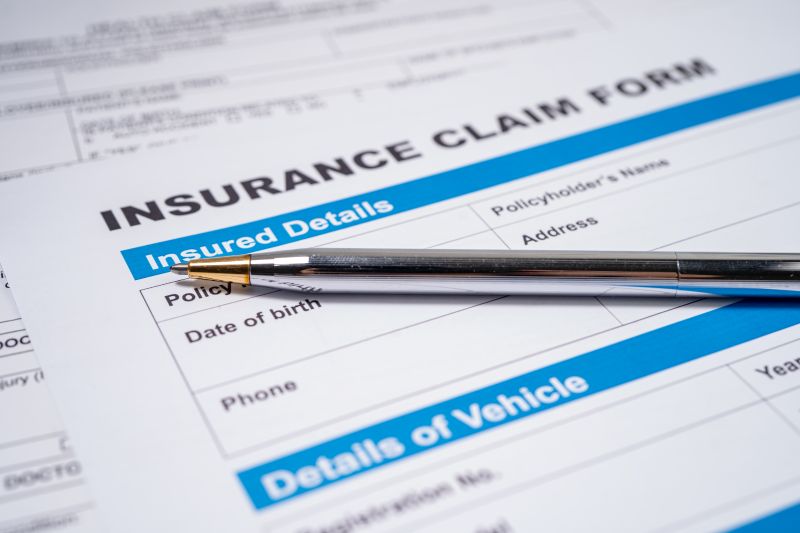
If your tools are your job, work stops when you lose them. Plumber, electrician, carpenter, gardener, or mechanic, specialist kit carries a specialist price tag, so theft costs twice: once to replace everything, and then the lost earnings until you have what you need. That’s what insurance is for. But too many tool theft claims get reduced, delayed, or turned down completely. And it happens for entirely preventable reasons – most claims fall down on proof
Around 83% of tradespeople have no proof of ownership available for their tools. Without receipts, invoices, serial numbers, or photographs, an insurer has no way to confirm that the items even existed, much less belonged to the person making the claim.
But who goes round taking snaps of their tools? And who can remember when they gained a new tool? You might have a receipt somewhere, but where it is is anyone’s guess, because each tool will have been filed with whatever year’s tax return, and pinpointing the date is almost impossible. Nobody buys a full kit in one go. It accumulates over years, and it’s made up from special purchases, second-hand finds, and gifts inherited from relatives. Each one of far more value than the purchase price because of the work they allow you to do. So, you can end up in a situation where you can use a tool you own every day for a decade and still have nothing that says it’s yours when you need to make a claim.
The easiest way to avoid this scenario is to take a photo of each new tool when you buy it. If you also write down the serial number and save a digital copy of the receipt in a dedicated file on your computer or phone, you’ve pretty much got yourself covered. Older and second-hand equipment are harder to deal with, but having some evidence is better than none.
Underinsurance is easy to miss
Underinsurance is scarily common. But it’s rarely a case of carelessness. In businesses of all kinds, kit grows incrementally. And that goes doubly so when you work in a trade. A new angle grinder for a particular job. A higher-spec drill when the old one gives up. They’re relatively small additions, but over time the value creeps, and your policy stops reflecting reality.
When the declared value of your insurance policy is lower than the real replacement cost of your kit, any potential payout is going to fall short of what’s needed for you to get back to work. And this is made worse by the fact that policies apply proportional settlement on top, which reduces compensation further because the insured figure never reflects the true value of what you’ve lost. Then, when you add a few years of inflation into the mix, you can find yourself in an untenable situation, unable to afford the replacement tools that will get you working again.
That’s why it’s so important not to simply renew your insurance every time that letter arrives. It’s your chance to take stock and accept that more tools means a higher premium. But if you’ve got the evidence you need to support any future claims, you can then feel confident that you’re covered.
What that looks like in practice
James Stephens is a plumber, working out of Hartlepool. When his van was broken into overnight, he lost roughly £8,000 of kit. The insurance policy he took out four years ago was for £4,000. He renewed it religiously every year… Not thinking about all the extras he’d added over time.
He has one receipt, for the flushing machine bought last spring. The rest, he picked up here and there as needed. There were a few pieces inherited from his dad, a set bought second-hand from a friend who left the trade, everything else replaced piecemeal as it wore out.
And that’s the rub. The insurer can only settle on what James can evidence, then applies proportional settlement because the declared value was less than half the real figure. He gets a few hundred pounds and spends three weeks off work, rebuilding his kit on a credit card.
And that all could have been different, had he thought to take photographs, record serial numbers, and review his insurance policy at renewal.
What insurance-grade documentation looks like
The thing about insurance is that it’s meant to be there when you need it. Otherwise, you’re making a monthly deposit for nothing. So, taking the time to create a record of evidence that stands up to a claim is in your own best interest. And that usually starts with clear photographs of each item, serial numbers, purchase receipts or invoices, dates of purchase, model details, and current replacement values. For higher-value equipment, evidence of servicing or maintenance helps too. That’s all.
Create a spreadsheet if you can, or stick it in a Word document, then keep it updated as you go.
When you buy new tools, add them. Update values as the market changes, especially for larger items. When they break, or you sell them, take them off the list. And keep that document safe. Keeping digital copies of everything is great, but if you’re going to leave your laptop in your van along with your tools, you could be creating yourself another problem. So, consider cloud storage or, at the very least, a USB stick.
Where technology helps
If you’ve only got a small tool kit, a spreadsheet is an easy way to go. But the more your business grows and the more kit you acquire, the more value a dedicated asset management platform can bring. Designed to help you build a detailed inventory, with attached proof of ownership for individual items, and holding it all somewhere entirely separate to you, they can be invaluable when things go wrong.
Some systems do more than record keeping too. When you add in location tracking and movement alerts that tell you when your kit is on the move and where it’s heading, you gain a more rounded solution. One-touch disabling can also be used to stop compatible equipment working the moment it’s taken. So, you gain your evidence for both the police and your insurers in one, making it more likely that your loss will only be temporary. It also makes any of your tools that are stolen much harder to sell and use.
Insurance starts well before the claim
Insurance is essential for any tradie, but it’s only of value if you put in the effort to ensure that it pays out when things go wrong. Policy conditions around security and overnight storage need reading and following, because failing to meet them puts any future claim at risk. The insured value needs to match what replacement would actually cost tomorrow. Ownership needs to leave a paper trail.
Insurers have seen a 54% rise in tool theft claims in recent years, and that’s before you count the estimated one in four incidents that never gets reported. Tools are always in demand, and not everyone is overly picky about where they come from. So, making yours as hard as possible to shift gives you an extra layer of protection.
You already know what it costs to buy the right equipment and look after it. Apart from your own skills, your tools are your main business asset. So protect it. Even if admin isn’t your thing. Because 10 minutes a month going through your inventory and updating your paperwork is a heck of a lot easier than starting again from scratch with a minimal insurance payout.
Paul Harvey, Operations Director at Kynekt, an equipment protection and theft deterrent platform built for the construction sector.
You may also like:
Best Practices for Protecting Your Small Business From Theft
What to Do if a Car Insurance Company Does Not Pay Claims?
Image source: elements.envato.com