Click here to get this post in PDF
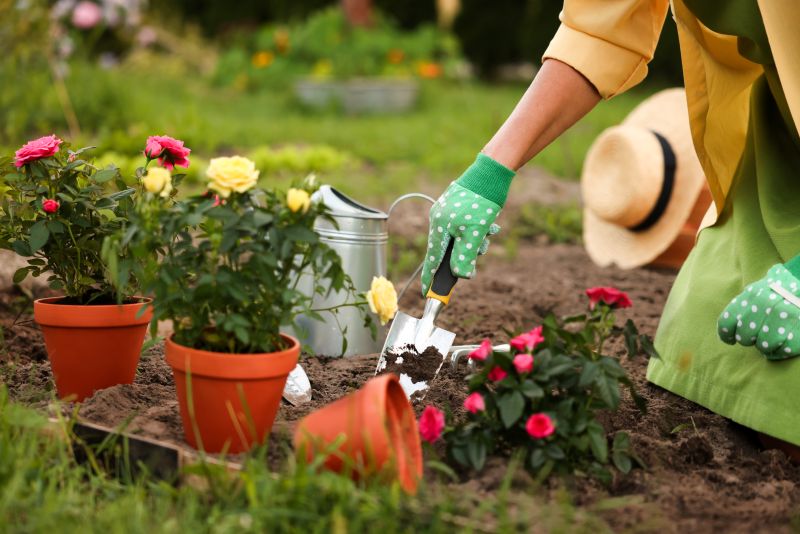
If you’ve ever killed a basil plant despite following the care instructions religiously, rest assured, the fault likely isn’t yours. For years, British gardeners have relied on a mix of instinct, inherited wisdom, and the occasional guilty glance at their wilting tomatoes.
Now, technology has arrived to save us, armed with sensors, apps, and enough data to make your prize marrow feel like it’s living in a laboratory.
The smart gardening revolution is now blooming, and here’s how it’s transforming how we nurture everything from suburban flowerbeds to tiny balcony herb gardens.
Smart Gardening Devices Are Flooding the Market
Walk into any garden centre these days, and you’ll find gadgets that would make your gran’s trowel collection look positively medieval.
Soil sensors can tell you exactly when your plants need watering, automated irrigation systems deliver moisture on a precise schedule, and LED grow lights mimic the sun even in the depths of a dreary British winter.
These devices are no longer reserved for commercial growers or obsessive hobbyists with more money than sense. They’ve become genuinely affordable and accessible for the average gardener who just wants their petunias to survive past June.
The boom in these products reflects a growing demand from people who love the idea of gardening but lack the natural green thumb required to keep things alive through sheer intuition alone.
Smart Solutions Are Making Gardening More Accessible
Technology serves as more than just a collection of bells and whistles; it genuinely opens the hobby to people who previously wouldn’t have bothered trying.
If you work long hours or travel frequently, these systems can monitor and maintain your plants when you’re not around to do it yourself.
Automated watering systems ensure your vegetable patch doesn’t turn into a crispy wasteland during a heatwave. Meanwhile, app-controlled systems let you check on your garden from your office desk.
This is particularly helpful, as our weather is about as predictable as a coin toss. One week it’s scorching, the next it’s biblical rain, and your poor courgettes don’t know whether they’re coming or going.
Smart tech takes the guesswork out of adapting to these rapid changes, giving even the most inexperienced gardeners the confidence to cultivate their plots successfully.
Urban Living Is Driving Demand
Britain’s cities are growing upward and inward, with more people living in flats and smaller homes that lack traditional garden spaces.
Balconies, windowsills, and compact patios have become the new frontier for urban gardeners who still want to grow something green.
Smart gardening systems are perfectly suited to these tight spaces because they maximise efficiency without requiring a sprawling plot of land.
Vertical garden systems with built-in irrigation and compact hydroponic setups allow city dwellers to cultivate fresh herbs, vegetables, and flowers in surprisingly small footprints.
When you’ve only got a few square metres to work with, every bit of technology that helps your plants thrive becomes absolutely essential rather than just a luxury.
Sustainability Is Becoming a Priority
There’s a growing awareness about where our food comes from, and the environmental cost of transporting produce halfway across the planet.
More people are choosing to grow their own vegetables, not just for the satisfaction of eating something they’ve nurtured themselves, but also to reduce their carbon footprint.
Smart gardening technology supports this shift by making home growing more efficient and less wasteful. Precision watering systems use exactly the amount of water needed, while sensors prevent over-fertilising, which can harm both plants and the environment.
LED lights consume far less energy than traditional options, and composting monitors help turn kitchen scraps into nutrient-rich soil.
This eco-conscious approach resonates particularly well with younger generations who want to do their bit for the planet without sacrificing the convenience of modern living.
Professional Help Is Becoming More Tech-Savvy
Hiring a gardener used to mean finding someone with a trusty spade and decades of experience reading the soil.
These days, professional garden services are increasingly equipped with smart gardening tools that allow them to offer more precise care and better results.
From soil analysis equipment to automated irrigation installations, these professionals can set up systems that keep your garden thriving long after they’ve left.
This shift means that even if you outsource your garden maintenance, you’re still benefiting from the technological revolution that’s transforming how we care for plants.
Remote Monitoring Provides Peace of Mind
One of the most appealing features of smart gardening tech is the ability to remotely monitor your plants from absolutely anywhere.
Whether you’re stuck in a meeting, enjoying a holiday, or simply too knackered to wander outside in the rain, your smartphone can tell you exactly what’s happening in your garden.
Real-time alerts notify you if soil moisture drops too low, if temperatures swing into dangerous territory, or if your precious seedlings need immediate attention.
This level of oversight means you can intervene before small problems turn into catastrophic plant failures. This is especially reassuring if you’ve invested time and money into growing more complex varieties.
The Pandemic Changed Our Relationship With Our Home
Lockdowns forced millions of us to stay at our homes for far longer than we ever expected, and many people discovered that their outdoor spaces needed serious attention.
Gardening became a therapeutic escape during those strange months, offering both physical activity and a tangible sense of accomplishment when everything else felt uncertain.
This renewed interest hasn’t faded away now that life has returned to normal. If anything, it’s intensified as people recognise the mental health benefits of nurturing plants and spending time outdoors.
Smart technology has made it easier to maintain this hobby even as work schedules have picked up again. It allows busy people to continue enjoying their gardens without it becoming a second full-time job.
The combination of newfound enthusiasm and practical tools has created the perfect conditions for the smart gardening market to absolutely flourish.
Conclusion
Your garden might still require some old-fashioned elbow grease and the occasional chat with your tomatoes, but at least now you’ve got a chance of keeping them alive.
So go ahead and embrace the sensors, download the apps, and let technology give you the green fingers you always wished you had naturally.
Also read: How to Grow a Rich Soft Fruit Garden in the UK
Image source: elements.envato.com