Click here to get this post in PDF
By Mohsan, Hale Path Packaging
For a small brand, the box is often the first thing a customer touches — and the last thing the business budgets for. A product can be excellent and still arrive in packaging that makes it look cheap, forgettable, or careless. The good news is that looking established does not require a big packaging budget. It requires a few deliberate choices, made before the first order goes out.
Start with the unboxing, not the box
Customers form an opinion in the first few seconds of opening a parcel. A plain box with a neat, consistent print, a thank-you card, and tissue that actually fits reads as a brand that cares. A box that is too big, stuffed with loose fill, reads as a brand that did not think it through.
Before ordering anything, open your own parcel the way a customer would. Is it easy to open without tearing? Does anything rattle? Does the inside look intentional, or like an afterthought? Fixing those three things costs very little and changes the whole impression.
Match the protection to the product
The most common packaging mistake small brands make is choosing the box for how it looks and forgetting what it has to survive. A fragile item in a standard mailer will arrive broken no matter how nice the print is — and every replacement eats the margin on several good orders.
This is where the right insert matters more than the right box. For anything fragile, glass, or precisely shaped, custom boxes with foam inserts hold the product still through transit instead of letting it move around inside the carton. Loose fill protects against bumps; a fitted insert protects against movement, which is what usually causes the damage. If a product has broken in transit before, the insert — not the outer box — is usually the place to look first.
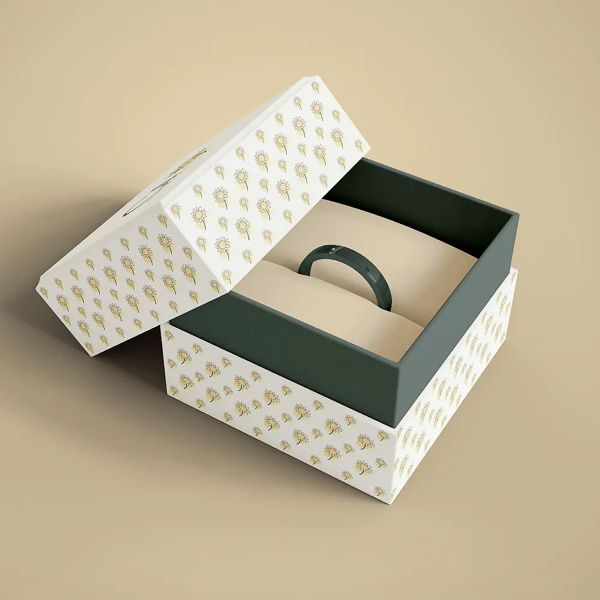
For light, soft, or low-value items, a poly mailer is often the smarter spend: cheaper to ship, quicker to pack, and perfectly adequate. The rule is simple — spend the protection budget where breakage actually happens, and save it where it does not.
Make the premium feel affordable
Small brands often assume that a premium unboxing is out of reach. In practice, one premium touch is usually enough. A rigid box with a magnetic close, for example, turns an ordinary gift set into something the customer keeps, photographs, and remembers — and magnetic gift boxes work just as well for a small batch of corporate gifts as they do for a retail launch. The trick is to use the premium format on the few products where the first impression matters most, and keep the everyday range in simpler, well-printed packaging.
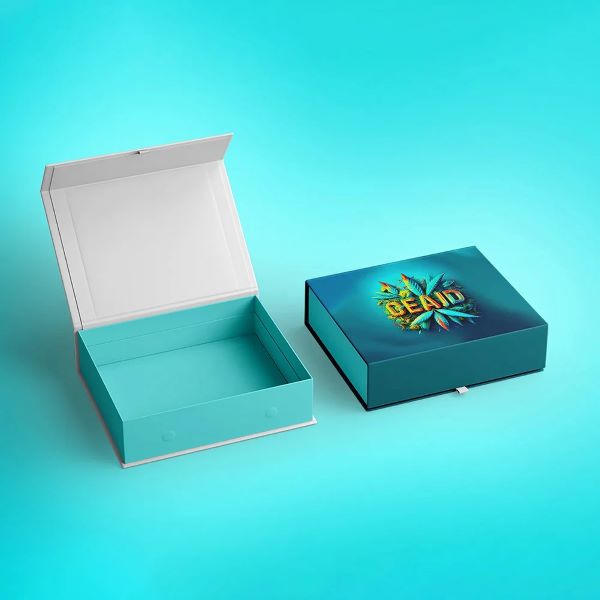
Consistency does the rest. One colour, one logo placement, one style of tissue or tape across every order makes a small brand look organised, even when the range itself is still growing.
Ask the supplier the right questions
Most packaging problems are decided at the ordering stage, not at the packing bench. Before placing an order, a small business owner should ask four things: what sizes are actually available, and which one fits the product without wasted space; how the print will look on the material chosen, not just on a screen; whether a sample or a small trial run is possible before committing to a full run; and what the realistic delivery time is, so a launch date is never built on a guess.
A supplier who answers those questions clearly is worth more than one who simply quotes the lowest price. The cheapest box that arrives late, or in the wrong size, is the most expensive box of all.
A small-budget checklist
Start with one product — the one customers see first — and get its packaging right before touching the rest of the range. Keep the outer box plain and spend on print and fit rather than on extras. Protect fragile items with a fitted insert instead of more loose fill. Use one premium format sparingly, where it will be noticed. And order a sample before any full run, because a box that looks right on screen can feel very different in the hand.
Packaging will never rescue a weak product. But for a good product from a small brand, it is the cheapest way to look like a business that has been doing this for years — and to make sure the customer comes back for the second order, not just the first.
Also read: How to Select Cold Chain Packaging for Long-Distance Shipping?
Image source: halepathpackaging.com