Click here to get this post in PDF
At a Glance
May is one of the most productive months for allotment growers, with warmer soil and longer daylight hours creating reliable conditions for planting. Crops like potatoes, carrots, beans, courgettes and salad leaves all grow well during this period, while consistent watering, spacing and seasonal planning help maintain healthier and more manageable plots.
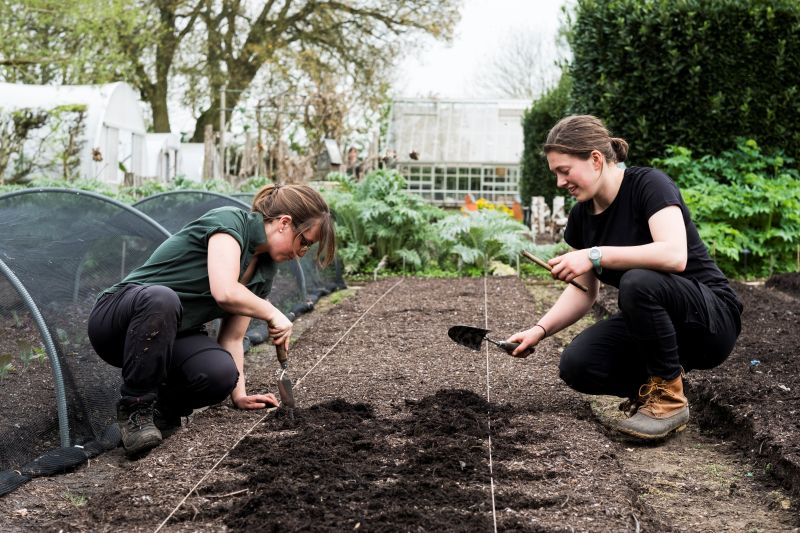
What Can You Plant In May On An Allotment
There’s a very particular moment in May when your allotment plot starts to feel alive again. The soil isn’t stubborn anymore, seedlings seem more willing and suddenly the question shifts from “Is it too early?” to “Am I already late?”
At this point, you may also start wondering what you can plant in May and if you have missed your window. If so, you are not the only one having these uncertainties, as May is one of the busiest months on a plot and there’s usually plenty to keep growers occupied at this stage of the season. Many growers start planning and organising their allotment jobs for May, balancing planting, watering and keeping the plot under control before summer fully arrives.
With so much happening at once, it’s easy to feel like everything needs to be done immediately, but you don’t need to tackle the whole plot in a single weekend. Start with a few well-chosen crops that suit the season, as they make things feel far more manageable. Here are a few crops to consider this May as you begin planning your plot.
1. Potatoes (Maincrop / Late Planting)
If planting potatoes didn’t work out earlier, the month of May gives you a second chance, particularly for maincrop activities. These are slower to mature but tend to store better, which makes them useful if you’re thinking beyond immediate harvests. By now, the soil is usually warm enough to support steady growth, which reduces the risk of rot that often comes with colder months.
Planting it is fairly simple, as Tubers go about 10-15cm deep and are spaced generously so they’re not competing for nutrients. What catches growers out isn’t the planting, it’s the follow-up. As the plants grow, they need “earthing up”, which simply means drawing soil up around the stem to protect the developing potato from light.
If potatoes aren’t the only thing on your mind, it’s worth seeing what else can go in the ground now, so everything grows at a similar pace.
2. Carrots
Growing carrots on allotment plots has a bit of a reputation, as they look simple, but they can be quite particular about where and how they grow. May, however, gives you a much better starting point. The soil has warmed up enough to support germination and you’re less likely to deal with the slow, uneven growth that happens earlier in the year.
The key here is preparation, as carrots prefer light and stone-free soil. If the ground is compacted or full of debris, you’ll likely end up with forked or stunted roots. Sowing thinly helps too, as it reduces the need for heavy thinning later, which can disturb nearby seedlings. While it’s tempting to rush the process, carrots benefit from a steady, consistent approach, such as light watering, minimal interference and patience.
In case carrots haven’t worked for you before, know that it’s often less about skill and more about conditions, so try exploring and experimenting to get a clearer sense of what might suit your specific plot.
3. French Beans / Runner Beans
By the time you get to beans, things start to feel more rewarding. They grow quickly, climb and give you visible progress within weeks. You can sow them outdoors, as frost drops significantly across most parts of the region, so both french beans and runner beans can do well this time of the year.
It is good to note that compared to each other, they behave differently, as growing runner beans can be more vigorous and tend to climb higher, while french beans are usually compact. Either way, they need support with canes, frames or even repurposed structures, something they can grow up on and don’t sprawl across the ground. This is also where planning becomes important, as beans take up vertical space, so thinking about where they sit in relation to other crops can make your plot feel more organised.
4. Courgettes
Growing courgettes in May is also great, but know that they are one of those crops that can quietly take over extra space if you let them. What starts as a small plant in May can turn into something surprisingly dominant by mid-summer, which is not necessarily a bad thing. They’re reliable, productive and relatively low-maintenance once established.
Nonetheless, they do need space, more than most beginners expect, so plant them into well-fed soil, give them room to spread and keep watering consistently. Irregular watering can also lead to poor fruit development, which is often mistaken for pest issues. During warmer spells in May, some growers use systems like WaterMate to keep moisture levels more consistent, especially if they’re not able to visit the plot every day.
5. Lettuce / Salad Leaves
Want something quick and easy to grow? Growing lettuce and a variety of salad leaves is a good choice. They grow fast, don’t demand much space and can be sown and harvested throughout the month.
However, remember to plant a little at a time and don’t go for it all at once, as this helps you get fresh leaves over a longer period. They’re easy to grow, even when conditions aren’t perfect and once they start growing, you can harvest and use them straight away.
At times, they could overgrow, so if you end up with more than expected, you may sell, distribute them or even try browsing a few seasonal recipes that can help you make better use of what you’ve grown without it going to waste.
Support Crops By Adding Flowers
Allotment growers usually focus on what vegetables to plant in May, but don’t realise it is also a great time to plant flowers and brighten the plot. If you want your allotment to feel a bit more inviting and help your crops grow at the same time, you must think about what flowers to plant in May.
Flowers aren’t just for the look, they also attract pollinators like bees, which can improve how well your vegetables grow, particularly crops like beans and courgettes.
If you’re not sure where to start, keep it simple and try these reliable options:
- Marigolds are great for pest control
- Sunflowers, because they are easy and offer good height
- Nasturtiums are edible and low-maintenance
They are great for companion planting and you can sow most of these directly into the ground once the soil has warmed up. They don’t need perfect placement either, tucking them around the edges of beds or between crops will work well and make the overall plot feel more balanced.
What Makes The Month Of May Different
May isn’t just another planting window, because if you do everything right, it can be a turning point for your allotment plot. Earlier in the year, you’re working around the weather, but in May, you’re working with it. The soil warms, daylight increases, crops respond more reliably and everything begins to feel a bit more predictable.
That said, it is not completely stable, as a late cold snap or an unexpected dry spell can still shift things slightly, which is why many growers rely on a flexible approach, such as regularly checking what to sow in May and not rigidly sticking to a fixed plan.
In Conclusion
While planting in May, the single rule to remember is to keep things simple and seasonal. Looking ahead at which flowers, fruits and vegetables grow well this month can make planning your allotment feel far more manageable.
You can also explore what to sow in May, see how other growers are planning on their plots this season and explore tips on growing fruits, vegetables, nuts and herbs. If you’ve already started, it can always be useful to share your ideas and tell what’s worked well on your own plot as the season picks up.
Also read:
Why Is There a Boom in Smart Gardening Technology?
5 February Allotment Jobs That May Be More Important Than You Think
Image source: elements.envato.com