Click here to get this post in PDF
Rising operating costs continue to challenge businesses across nearly every industry. Commercial rents remain elevated in many markets, warehouse space is increasingly expensive, and companies are carrying larger inventories to protect themselves from supply chain disruptions. As a result, many organizations are looking for practical ways to increase storage capacity without committing to costly long-term leases or major construction projects.
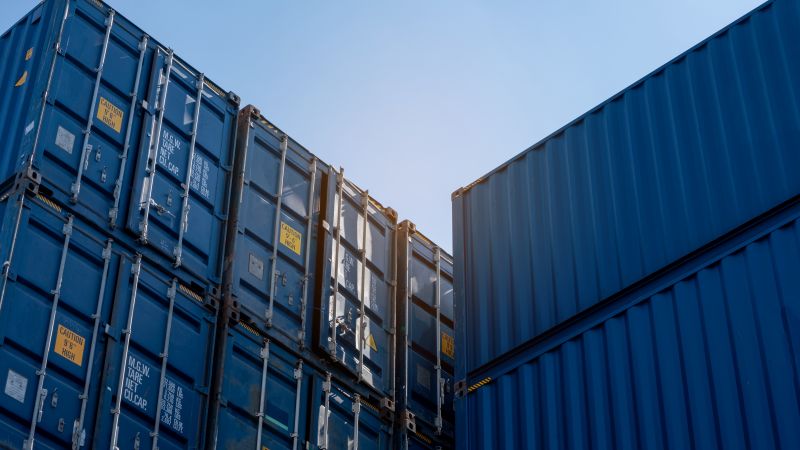
One solution gaining traction among business owners is the use of shipping containers for secure on-site storage. Once viewed primarily as cargo transportation equipment, shipping containers are now helping companies reduce overhead costs while improving operational flexibility.
From construction firms and retailers to manufacturers and agricultural operations, businesses are discovering that container-based storage offers advantages that traditional storage solutions often struggle to match.
Why Storage Costs Are Increasing
Many businesses rely on warehouses, self-storage facilities, or temporary buildings to store inventory, equipment, and supplies. While these options may meet immediate needs, they often come with recurring monthly expenses that continue indefinitely.
Warehouse leases typically involve long-term commitments, utility expenses, maintenance costs, insurance requirements, and rising rental rates. Self-storage facilities may seem affordable at first, but costs can escalate quickly as businesses expand and require additional units.
At the same time, companies are maintaining larger inventories to improve resilience against supply chain disruptions. More inventory requires more space, creating additional pressure on already strained budgets.
This has led many business owners to explore alternative storage solutions that offer greater control and long-term value.
The Financial Benefits of Shipping Container Storage
One of the biggest advantages of shipping containers is their ability to convert a recurring storage expense into a long-term asset.
Rather than paying monthly storage fees year after year, businesses can purchase a container and use it for decades with relatively minimal maintenance. For many organizations, the total cost of ownership is significantly lower than the cost of continuously leasing storage space.
Companies exploring modern shipping container storage solutions often find that containers provide a practical balance between affordability, security, and flexibility.
Available in multiple sizes, including 20-foot and 40-foot configurations, shipping containers can accommodate a wide range of operational needs without requiring major infrastructure investments.
Security That Businesses Can Depend On
Security remains one of the primary concerns for organizations storing valuable assets.
Shipping containers are constructed from heavy-duty steel and designed to withstand demanding transportation environments. Their durable construction makes them considerably more secure than many temporary storage buildings or traditional sheds.
Businesses frequently enhance security by installing lock boxes, high-security padlocks, motion-activated lighting, and surveillance systems. These upgrades create a highly secure environment for storing tools, equipment, inventory, and materials.
Construction companies often rely on containers to protect expensive machinery and tools at active job sites, while retailers use them to secure excess inventory during peak seasons.
The combination of physical durability and enhanced security measures makes shipping containers an attractive option for organizations seeking reliable asset protection.
Supporting Business Growth
One challenge faced by growing businesses is the need for additional storage capacity without the expense of expanding facilities.
Constructing a warehouse addition can require substantial capital investment, permits, contractors, and lengthy construction timelines. Leasing additional warehouse space often involves commitments that may not align with a company’s growth plans.
Shipping containers provide a more flexible alternative.
Because containers can be delivered and deployed quickly, businesses can add storage capacity as needed rather than making large upfront investments. This scalability allows organizations to respond more effectively to seasonal demand, inventory fluctuations, and expansion opportunities.
For many business owners, the ability to increase storage capacity within days rather than months provides a significant operational advantage.
Applications Across Multiple Industries
The versatility of shipping containers has contributed significantly to their growing popularity.
Retail businesses use containers to manage seasonal inventory overflow. Manufacturers use them to store raw materials and finished products. Agricultural operations use containers to protect equipment, feed, and supplies from weather exposure.
Construction companies frequently deploy containers as mobile storage units that move between project sites as work progresses.
Because containers can be placed directly on company property, employees have immediate access to inventory and equipment without traveling to off-site storage facilities.
This convenience improves efficiency while reducing transportation and handling costs.
Shipping Containers vs Traditional Storage Options
When comparing storage alternatives, many organizations find that shipping containers occupy a unique position between warehouse leasing and self-storage facilities.
Self-storage units offer flexibility but require ongoing payments and often limit access. Warehouses provide larger capacities but involve higher operating expenses and long-term commitments.
Shipping containers combine many of the benefits of both options.
Businesses gain direct ownership, on-site accessibility, and long-term cost control while maintaining the flexibility to relocate containers if operational requirements change.
Organizations evaluating the advantages of using shipping containers for storage often discover that containers provide a compelling combination of affordability, security, and convenience.
Durability and Long-Term Value
Another factor contributing to the popularity of shipping containers is their longevity.
Many containers remain in service for decades when properly maintained. Wind-and-watertight units are specifically designed to withstand harsh weather conditions, helping protect inventory and equipment from environmental damage.
This durability allows businesses to maximize their return on investment while minimizing maintenance costs.
In an environment where controlling expenses is increasingly important, long-lasting assets that continue delivering value year after year become particularly attractive.
The Future of Business Storage
As businesses continue seeking ways to improve efficiency and reduce operating costs, shipping containers are becoming an increasingly important part of modern storage strategies.
Their combination of affordability, security, durability, and flexibility makes them suitable for a wide variety of industries and use cases. Whether supporting construction projects, managing inventory growth, or creating additional on-site storage capacity, containers provide practical solutions to real business challenges.
In many cases, they allow organizations to avoid costly infrastructure investments while maintaining the ability to scale operations as needed.
For businesses focused on reducing expenses without sacrificing flexibility, shipping containers have evolved from transportation equipment into a strategic asset that supports long-term growth and operational efficiency.
Also read: How Shipping Containers Are Changing Small Business Infrastructure
Image source: elements.envato.com