Click here to get this post in PDF
Author: AM Shipping Containers
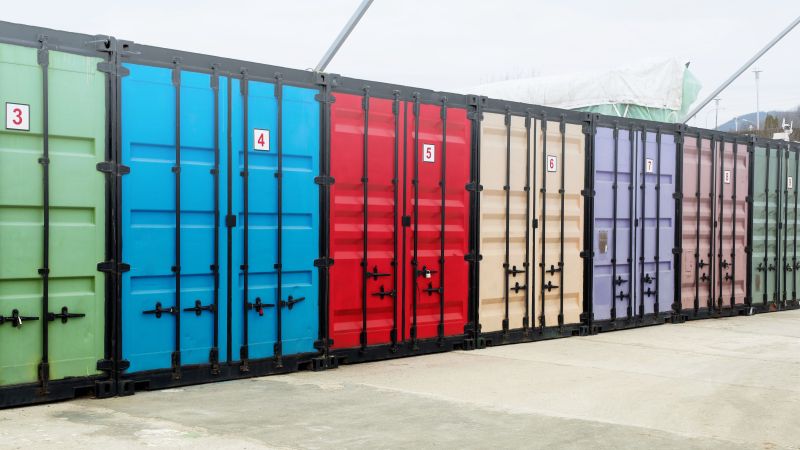
Small businesses are constantly looking for ways to reduce costs, stay flexible, and scale efficiently. One trend that has been gaining attention in recent years is the use of shipping containers as part of business infrastructure. What was once seen purely as a logistics tool is now being repurposed into offices, retail spaces, storage units, and even fully operational work environments.
For entrepreneurs and growing companies, shipping containers offer a practical alternative to traditional commercial spaces.
The Shift Toward Flexible Business Infrastructure
Traditional commercial real estate often comes with long-term leases, high upfront costs, and limited flexibility. For small businesses, this can create unnecessary financial pressure, especially during early growth stages.
Shipping containers, on the other hand, offer a more adaptable solution. They can be purchased, modified, and deployed relatively quickly, allowing businesses to establish operations without the delays associated with conventional construction.
This shift reflects a broader trend toward flexibility, where businesses prioritize speed, cost-efficiency, and scalability over permanence.
Cost Efficiency and Lower Barriers to Entry
One of the biggest advantages of using shipping containers is cost. Compared to traditional brick-and-mortar setups, container-based structures typically require lower initial investment.
Businesses can:
- Avoid expensive leases
- Reduce construction costs
- Scale gradually as demand grows
For many startups, this lower barrier to entry can make the difference between launching quickly and delaying operations due to financial constraints.
Those exploring different ways to set up their operations often start by exploring available shipping container options to find a solution that fits both their budget and long-term plans.
Speed and Mobility
Time is a critical factor for any business. Setting up a traditional commercial space can take months, from securing permits to completing construction.
Shipping containers significantly reduce this timeline. In many cases, they can be delivered and set up within days, allowing businesses to start operating much faster.
Additionally, containers offer mobility. If a business needs to relocate, expand, or reconfigure its layout, container structures can often be moved or adjusted with minimal disruption.
Versatility Across Industries
Shipping containers are not limited to one type of business. They are being used across a wide range of industries, including:
- Retail pop-up shops
- Food and beverage outlets
- Construction site offices
- Storage and logistics hubs
- Creative studios and workshops
This versatility makes them an attractive option for businesses that need functional space without committing to permanent infrastructure.
Supporting Growth and Scalability
As businesses grow, their infrastructure needs change. One of the key advantages of container-based solutions is the ability to scale incrementally.
Instead of committing to a large commercial space upfront, businesses can:
- Start with one or two containers
- Add more units as operations expand
- Reconfigure layouts based on changing needs
This modular approach aligns well with modern business strategies, where flexibility and adaptability are essential for long-term success.
For a deeper understanding of long-term durability and planning, businesses should also consider how long these structures last and how to maintain them effectively, as explained in this guide on how long shipping containers last.
Considerations Before Adopting Container Solutions
While shipping containers offer many advantages, they are not without considerations. Businesses should evaluate:
- Local zoning and permit requirements
- Delivery and placement logistics
- Climate control and insulation needs
- Customization costs
Understanding these factors ensures that container-based infrastructure is implemented effectively and in compliance with local regulations.
Final Thoughts
Shipping containers are no longer just a tool for transporting goods. They have become a practical, cost-effective solution for small businesses looking to build and scale their operations.
By offering flexibility, affordability, and speed, container-based infrastructure is helping businesses rethink how they approach physical space. As this trend continues to grow, it is likely that more entrepreneurs will explore innovative ways to integrate shipping containers into their business models.
Also read: Why Businesses Are Turning to Shipping Containers for Office Space
Image source: elements.envato.com