Click here to get this post in PDF
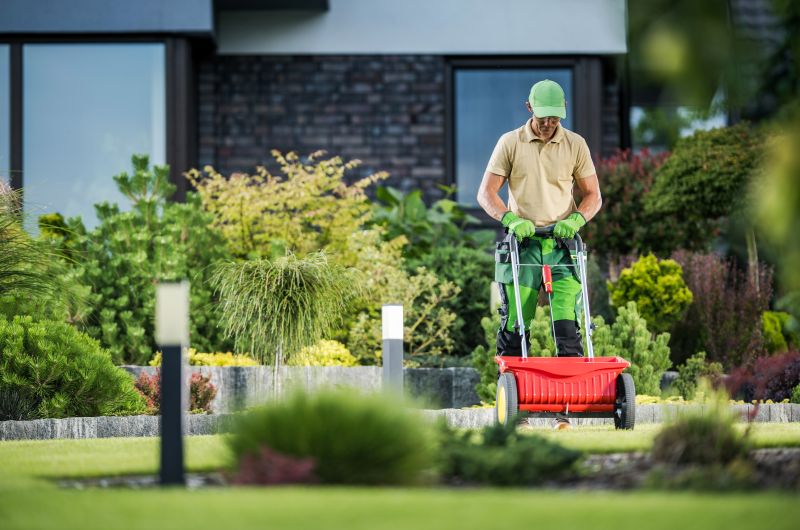
Starting a lawn care business can turn your interest in outdoor work into a rewarding career. With consistent demand for lawn maintenance, new business owners have an opportunity to build lasting customer relationships and develop a reliable source of income. However, long-term success requires more than knowing how to mow grass.
This article will share how you can build a strong foundation for your new lawn care business so you can manage costs while delivering dependable service.
Define Your Lawn Care Services and Target Market
Before investing in equipment or advertising, decide what your lawn care business will offer and who you want to serve. Some startups focus on residential properties. Others target commercial clients who need regular grounds maintenance and long-term upkeep and contracts. Your ideal customers will influence your pricing, equipment requirements, work schedule, and marketing strategy, so take time to understand the demand in your service area.
Research local competitors to identify opportunities that align with your skills and resources. You might specialize in routine mowing and edging for homeowners or offer ongoing maintenance contracts for businesses with larger outdoor spaces. Starting with a focused service area can also reduce travel time and fuel expenses.
Choose Reliable Commercial Lawn Equipment
The right equipment helps you work efficiently and complete more jobs. Begin by identifying the tools required for your core services, including a suitable mower and essential handheld equipment. Your choices should reflect the properties you intend to maintain; when you invest in a suitable and dependable machinery, you reduce disruptions and keep on delivering professional service.
When comparing commercial lawn equipment, like those from Commercial Mower Depot, consider cutting performance, durability, ease of maintenance, and the availability of replacement parts. Purchase equipment that matches your current workload and budget instead of spending heavily on machines you may rarely use. It’s also important to account for maintenance supplies, fuel, transportation, and secure storage when calculating your startup costs, while keeping your equipment clean and according to manufacturer maintenance schedules.
Establish a Practical Startup Budget
A lawn care startup needs a clear financial plan before the first customer books a service. List your initial expenses, including equipment purchases, business registration, insurance, transportation, and marketing. Then estimate recurring costs such as fuel and repairs.
Set prices that reflect the time, labor, equipment usage, and travel required for each job. Underpricing might attract early customers, but it can leave too little money to maintain equipment or pay yourself consistently. Research local rates, then develop estimates based on the actual demands of each property. Maintaining a separate business bank account and tracking income and expenses from the beginning will also make it easier to evaluate profitability. A modest financial cushion can also help you handle unexpected repairs or slower periods.
Rent Attachments to Expand Your Capabilities
You do not need to own every piece of equipment to deliver valuable lawn care services. Renting attachments can help a new business handle occasional jobs without committing to the purchase price and maintenance costs of specialized tools. Depending on the equipment available and the services you offer, attachments may help you tackle tasks such as soil preparation or other property maintenance work beyond routine mowing.
Attachment rentals, like those offered by M&R Power Equipment Group, are ideal when you need additional capabilities for a particular project or want to evaluate equipment before buying it. Compare rental rates and compatibility with your existing machinery, then include rental costs in your customer estimates.
Build Customer Relationships and a Local Reputation
A reliable reputation is one of the most valuable assets a new lawn care company can develop. Respond promptly to inquiries, provide clear estimates, follow through on your commitments, and communicate any scheduling changes before they become problems. Small details matter, too. Arriving when promised and leaving a property tidy can encourage customers to book again and recommend you to others.
Establish an online presence with a professional website or business profile that explains your services and service area. Use genuine project photos and invite customers to leave honest reviews. Local networking can also introduce your company to homeowners and property managers seeking dependable maintenance.
Conclusion
Building a successful lawn care startup begins with practical decisions and steady execution. Define your services, invest in suitable equipment, manage your finances carefully, and use rentals to expand your capabilities without overspending. Most importantly, earn customer trust through reliable service.
With a thoughtful plan and a willingness to adapt, you can establish a strong foundation for sustainable business growth!
Also read:
Top 3 Must-Haves For Running a Successful Tree Care Business
Why Is There a Boom in Smart Gardening Technology?
Image source: elements.envato.com