Click here to get this post in PDF
Core Components of Modern Corporate Security Solutions
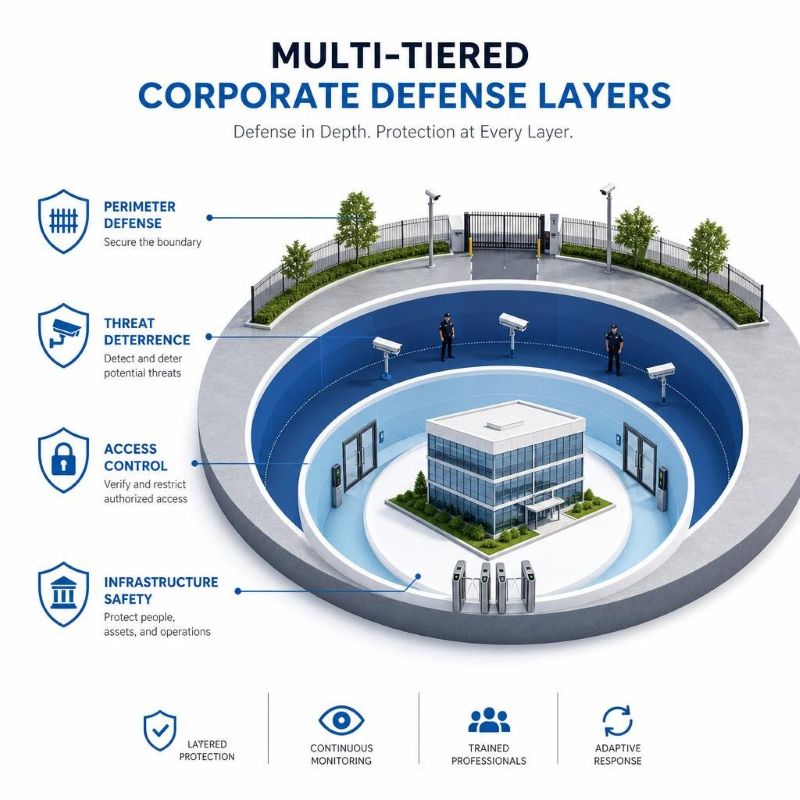
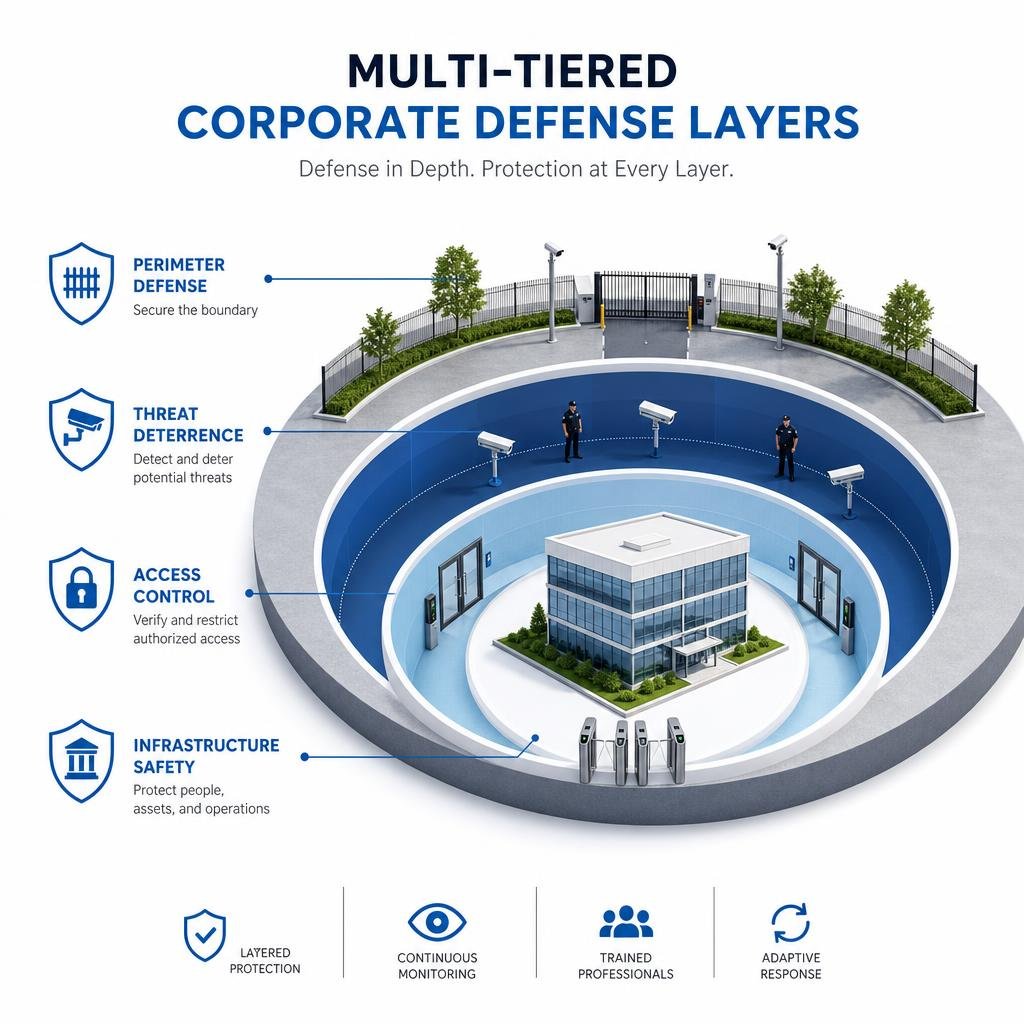
Enterprise defense in the modern era demands more than just traditional security measures; it requires a sophisticated integration of strategies to protect against a diverse array of threats. My experience indicates that a truly effective corporate security solution hinges on robust access control, proactive threat deterrence, and unwavering infrastructure safety. It’s about creating an environment where risks are minimized, and operations can continue without interruption.
Physical Access Controls and Perimeter Defense
The first line of defense for any corporate entity begins with physical access controls and perimeter security. This involves meticulously managing who enters and exits a facility, preventing unauthorized access, and creating visible deterrents. Effective systems typically include credential screening at entry points, where employees and visitors must present valid identification or access cards. Barrier security, such as gates, fences, and bollards, provides physical impediments to intrusion.
Visitor logs are crucial for accountability and emergency management, ensuring a clear record of all non-employees on site. For facilities with vehicle traffic, thorough vehicle inspection protocols are essential to prevent the smuggling of illicit items or unauthorized personnel. These physical measures, when consistently enforced, significantly reduce vulnerability and form the foundation of a secure environment.
Technical Safeguards and Automated Corporate Security Solutions
Beyond physical barriers, modern corporate security relies heavily on technical safeguards and automated systems. These technologies provide crucial layers of detection, monitoring, and response capabilities that human personnel alone cannot achieve. Surveillance cameras, strategically placed throughout a facility, offer continuous visual monitoring, acting as both a deterrent and a vital tool for incident investigation.
The integration of AI video analytics has revolutionized surveillance, allowing systems to automatically detect unusual behavior, identify potential threats, and alert security personnel in real-time, enhancing efficiency and reducing the need for constant human observation. Advanced alarm monitoring systems provide immediate alerts for breaches, fires, or other emergencies. Sophisticated access systems, often integrated with biometric data or smart card technology, ensure that only authorized individuals can enter specific areas. These automated solutions not only amplify the effectiveness of security but also provide invaluable data for continuous improvement and risk assessment.
Roles, Responsibilities, and Deployment of Security Officers
While technology provides powerful tools, the human element—the dedicated security officer—remains indispensable in a truly comprehensive security framework. Security officers are the front-line defenders, actively engaged in patrol protocols, emergency response, and the implementation of the detect-deter-observe-report framework. They are the eyes, ears, and often the first responders in critical situations. Their presence alone is a significant deterrent, and their ability to react intelligently to dynamic situations is something technology cannot fully replicate. For businesses seeking to optimize their security posture, understanding the various roles and deployment strategies for these professionals is paramount. A closer look at the options available can help in selecting the best security officers for a truly robust and modern corporate defense strategy.

Stationary Officers vs. Mobile Patrol Systems
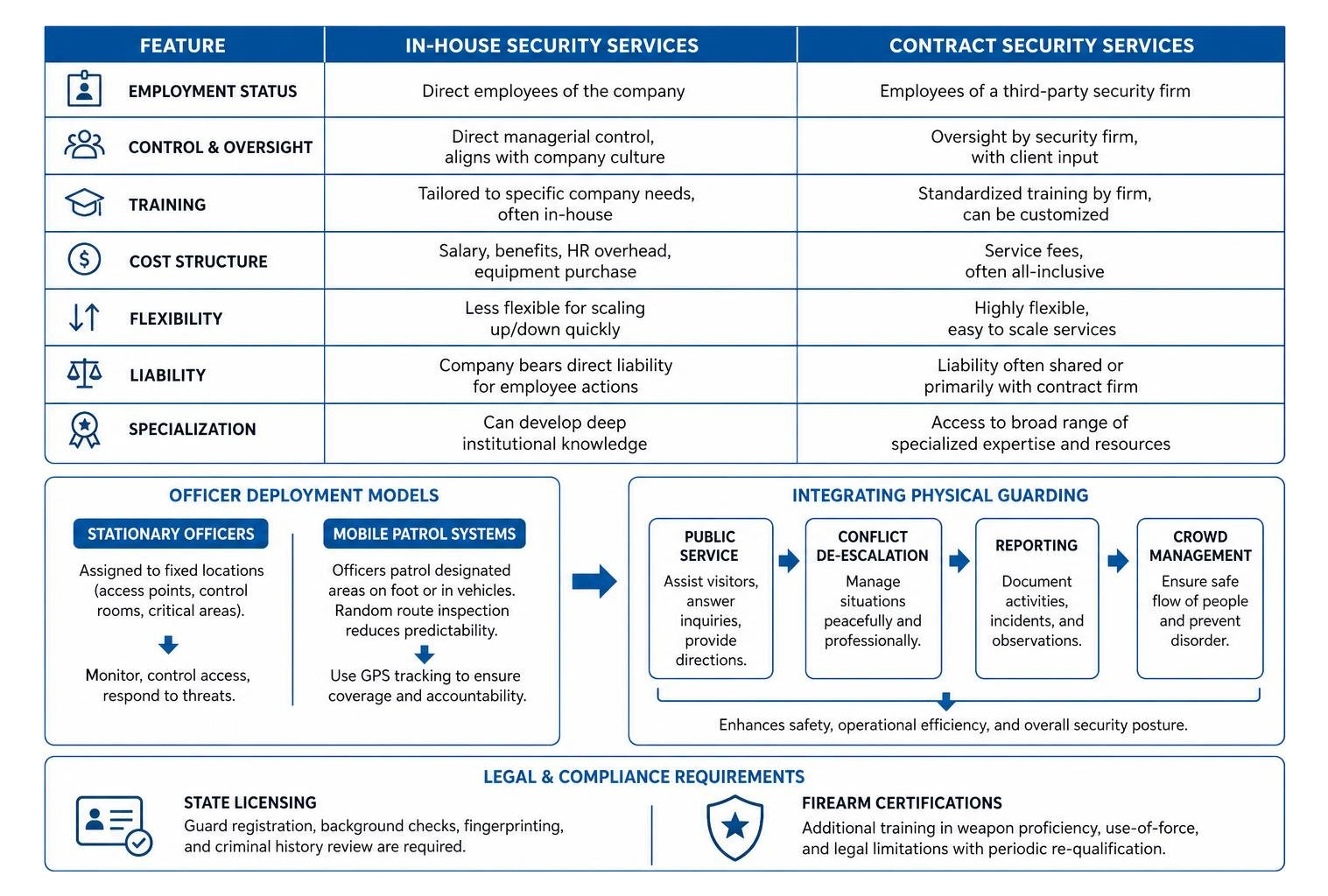
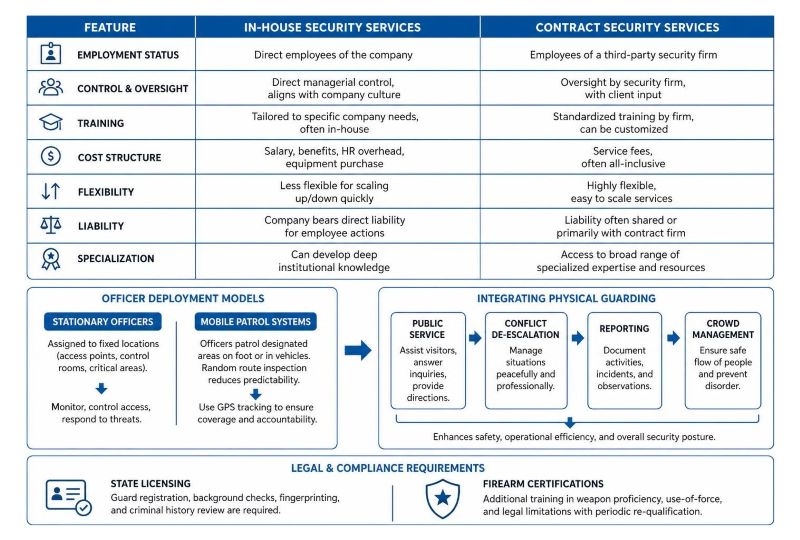
The deployment of security officers can vary significantly based on the specific needs of a corporate environment. Stationary officers are typically assigned to specific access points, such as reception desks, control rooms, or critical infrastructure areas. Their primary role is to monitor these fixed locations, control entry and exit, and respond to immediate threats within their designated zone. This ensures constant vigilance at high-risk points.
In contrast, mobile patrol systems involve officers who regularly traverse a designated area, either on foot or in vehicles. These patrols cover larger perimeters, including parking lots, building exteriors, and less-frequented areas. Random route inspection, rather than predictable schedules, is increasingly preferred to reduce predictability for potential criminals. GPS tracking systems are often used to monitor guards’ movements and ensure thorough coverage, providing accountability and optimizing patrol routes. The decision between stationary and mobile deployment often depends on the size of the facility, the nature of the assets, and the specific security risks identified.
Integrating Physical Guarding into Corporate Security Solutions
Integrating physical guarding into corporate security solutions goes beyond mere deterrence; it encompasses a broader set of responsibilities that enhance overall safety and operational efficiency. Security officers frequently serve as the public face of a company, providing customer service by assisting visitors, giving directions, and responding to inquiries. Their presence can significantly improve the client and employee experience.
Crucially, security personnel are trained in conflict de-escalation techniques, enabling them to manage confrontational situations peacefully and professionally, minimizing disruption and potential harm. Meticulous reporting procedures are also a core duty, as officers document daily activities, incidents, and observations, providing valuable data for risk assessment and legal purposes. In environments with large gatherings or events, crowd management becomes a critical skill, ensuring the safe flow of people and preventing overcrowding or disorder. The human element of physical guarding offers flexibility, judgment, and interpersonal skills that are vital for a holistic security approach.
Legal Regulations, Licensing, and Training Standards
Navigating the legal landscape of security operations is a complex but essential aspect of implementing comprehensive corporate security solutions. Different jurisdictions impose varying regulations on security personnel, covering everything from licensing to the scope of their authority. Compliance standards are non-negotiable for any organization employing security officers, whether in-house or contracted. This ensures that personnel are legally empowered to perform their duties and that the organization is protected from liability.
State Licensing and Firearm Certifications
A fundamental requirement for security personnel in most jurisdictions is state licensing. This typically involves guard registration with a state regulatory body, which often includes extensive background checks, fingerprinting, and a review of criminal history. These measures ensure that individuals entrusted with security responsibilities meet specific eligibility criteria and have no disqualifying past offenses.
For officers who may need to carry firearms, armed requirements are significantly more stringent. This involves additional firearm certifications, often requiring specialized training in weapon proficiency, use-of-force policies, and legal limitations. State oversight bodies rigorously regulate these certifications, often mandating periodic re-qualification to maintain high standards of safety and competence. Organizations must ensure that their security personnel, especially armed guards, are fully compliant with all state-specific regulations to avoid legal repercussions.
Essential Skills and Qualifications for Security Personnel
Beyond legal requirements, successful security officers possess a critical set of skills and qualifications. A high school diploma or its equivalent is generally the entry-level education standard. However, continuous training and development are crucial for staying effective in an evolving threat landscape.
Key among these are strong communication skills, enabling officers to interact effectively with the public, de-escalate tensions, and provide clear, concise incident reports. Proficiency in emergency procedures, including first aid certification and CPR, is vital, as security officers are often the first on the scene of medical emergencies or other critical incidents. Important qualities also include attentiveness, sound judgment, and the ability to remain calm and decisive under pressure. The role demands individuals who can stay alert and watch for unusual activity, effectively communicate in stressful situations, and responsibly handle sensitive information.
Measuring ROI and Long-Term Value in Corporate Security
Investing in robust corporate security solutions isn’t merely an expense; it’s a strategic investment that yields tangible returns. Measuring the Return on Investment (ROI) in security involves assessing how effective measures are at financial loss prevention, risk mitigation, and ensuring operational continuity. A well-implemented security program can prevent costly incidents, protect valuable assets, and safeguard a company’s reputation, all of which contribute directly to the bottom line.

Risk Mitigation and Insurance Cost Reductions
One of the most direct benefits of a strong security presence is significant risk mitigation. By actively deterring criminal activity and providing early detection of potential threats, security officers reduce the likelihood of theft, vandalism, and other property loss. This proactive approach not only saves assets but also translates into lower liability for the organization.
Insurance companies often recognize the value of comprehensive security measures. They may offer substantial premium discounts for properties with a 24-hour security presence, as on-site security increases the likelihood that fires, incidents, or breaches will be noticed and reported early, reducing total losses. This financial incentive highlights how effective security directly contributes to cost savings, making it a wise investment for long-term financial health.
Scalability and Career Advancement in Commercial Protection
The security industry offers dynamic career paths and significant opportunities for scalability within commercial protection. For dedicated security officers, there’s a clear progression from entry-level positions to more specialized and supervisory roles. This officer progression can include becoming a team leader, supervisor, or even a site manager, overseeing larger teams and more complex security operations.
Further advancement opportunities exist in executive protection, where officers provide close personal security for high-profile individuals, or in specialized training roles, where they impart their expertise to new recruits. The industry also sees growth in areas like security consulting, risk assessment, and technology integration. Continuous professional development, including certifications in areas like antiterrorism, industrial security, or advanced surveillance techniques, is key to unlocking these career paths. As of August 2026, the job outlook for security guards and gambling surveillance officers is projected to show little or no change from 2024 to 2034, but about 162,300 openings are projected each year on average, indicating consistent demand and opportunities for those entering the field.
Frequently Asked Questions About Corporate Security
In my experience, many organizations have common questions when considering their corporate security needs. Understanding industry standards, ensuring workplace safety, and establishing clear security protocols are top priorities. Here, I address some of the most frequently asked questions to provide clarity and guidance.
What is the difference between security guards and specialized surveillance officers?
While both roles contribute to an organization’s security, there are distinct differences between general security guards and specialized surveillance officers, particularly in their duties and work settings. Security guards typically perform a broad range of duties, including patrolling premises, monitoring access points, responding to alarms, and deterring theft or vandalism. They often work in various environments, from retail stores and office buildings to industrial complexes, and their primary method often involves the “detect, deter, observe, and report” framework.
Gambling surveillance officers, on the other hand, are highly specialized. They primarily work in casinos or other gambling establishments, often from observation rooms equipped with advanced audio/video monitoring systems. Their main responsibility is to detect cheating, fraud, and other illegal activities at gaming tables or machines. They meticulously review live and recorded footage, identify suspicious behavior, and report findings to management or law enforcement. While a security guard might patrol a casino floor, a surveillance officer is typically focused on the intricate details of gambling operations through technological means, rather than direct physical patrol.
What are the typical licensing and education requirements for security officers?
The typical licensing and education requirements for security officers can vary significantly by jurisdiction and the specific nature of the role. Generally, a high school diploma or its equivalent is the minimum entry-level education required. Many states mandate state registration for security guards, which usually involves completing a state-approved training course, passing an exam, and undergoing a thorough background screening, including fingerprinting and a criminal history check.
For officers who carry firearms, additional firearms training and specific certifications are required, which are often more rigorous and subject to periodic re-qualification. Some roles, particularly in specialized fields or supervisory positions, may prefer or require an associate’s or bachelor’s degree in criminal justice or a related field. On-the-job training is also a common component, where employers provide specific instruction on company policies, emergency procedures, and site-specific security protocols.
How do on-site security officers reduce organizational liabilities?
On-site security officers play a crucial role in reducing organizational liabilities through several key functions. Their physical presence acts as a powerful crime deterrence, discouraging potential thieves, vandals, or other offenders, preventing incidents that could lead to financial losses or legal claims. In the event of an incident, their ability for early detection means that issues like fires, medical emergencies, or security breaches are identified and addressed promptly, minimizing damage and potential harm.
Officers are trained in incident reporting, meticulously documenting events, observations, and actions taken. These detailed reports are invaluable for legal proceedings, insurance claims, and internal investigations, providing accurate records that can protect the organization from unwarranted liability. Furthermore, their role in emergency coordination, working with local law enforcement, fire departments, and medical services, ensures a swift and organized response to crises, further mitigating risks and demonstrating due diligence on the part of the organization. By actively managing and responding to threats, security officers significantly reduce an organization’s exposure to various forms of liability.
Conclusion
In conclusion, implementing comprehensive security solutions is a multifaceted endeavor that demands a strategic blend of advanced technology and skilled human capital. My perspective is that a truly resilient security framework is built upon robust physical and technical safeguards, complemented by the invaluable presence and expertise of professional security officers. These dedicated individuals, through their vigilance, training, and adherence to legal standards, are critical for asset protection, risk mitigation, and ensuring operational continuity.
As we look to August 2026 and beyond, the role of security officers will continue to evolve, integrating new technologies and adapting to emerging threats. Organizations that prioritize a holistic defense strategy, invest in ongoing training, and recognize the long-term value of their security personnel will be best positioned to protect their assets, maintain operational resilience, and navigate an increasingly complex security landscape. Continuous evaluation and adaptation of security protocols are not just best practices; they are essential for sustained success.
You may also like: Top Tips & Advice For Business Security