Click here to get this post in PDF
Key Takeaways
- Advanced driver-assistance systems (ADAS) are improving safety but may also result in overreliance.
- Adaptive cruise control and hands-free options are reshaping how engaged drivers remain behind the wheel.
- Electronic gear shifters are transforming the driving experience, sometimes causing confusion.
- Autonomous technology is influencing driving etiquette and broader social norms on the road.
- Modern vehicle design trends reflect both changing lifestyles and technological progress.
Modern vehicles have dramatically shifted the driving landscape, blending technology and innovation in ways that shape safety, convenience, and how we interact on the road. From advanced driver assistance systems (ADAS) to sleek, digitized cabins and even vehicles capable of autonomous driving, contemporary cars are designed to offer more than just transportation. Learn more about the state-of-the-art features and what they mean for drivers today.
These advancements are not just about easier commutes or eye-catching exteriors. They influence everything from our reaction times and attention spans to our expectations and responsibilities behind the wheel. As we adjust to more automated controls and increasingly connected vehicles, understanding the implications of modern car technology becomes crucial for all drivers.
For instance, features that were once luxuries, such as adaptive cruise control and emergency braking, have become commonplace, altering longstanding driving habits. As automotive manufacturers compete to offer the next big innovation, today’s cars are evolving at a remarkable pace, frequently outpacing the regulations and training designed to keep drivers safe.
This rapid transformation has had ripple effects across society, raising important discussions about skill retention, driver complacency, and even the etiquette that guides our behavior on the road.
Advanced Driver-Assistance Systems (ADAS)
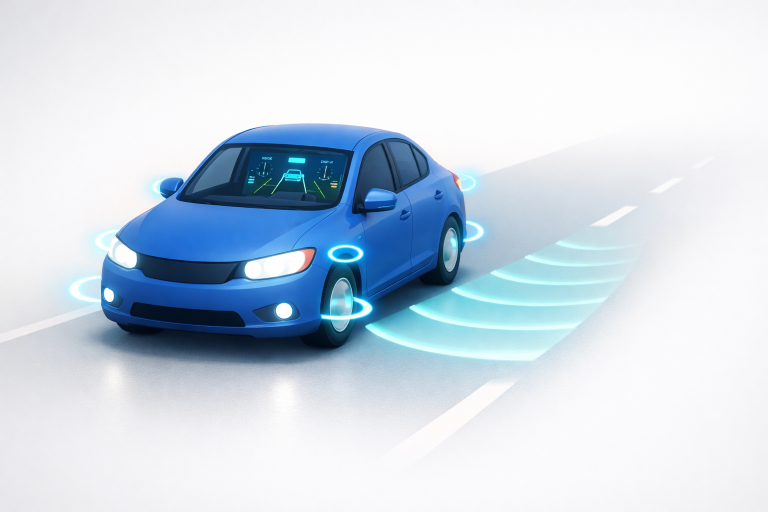
ADAS has become a cornerstone of modern automotive safety. Technologies such as lane-keeping assist, adaptive headlights, blind spot detection, and automatic emergency braking are designed to reduce human error and respond more quickly to hazards. While these systems can prevent many accidents, there is growing concern that overreliance may undermine fundamental driving skills. Drivers often let the technology take over, which can lead to delayed reactions if the system fails or encounters an unexpected situation.
Adaptive Cruise Control and Hands-Free Features
Adaptive cruise control (ACC) is designed for smoother, more comfortable journeys by maintaining set speeds and safe following distances. As a result, drivers often experience less fatigue during long drives. Newer hands-free systems, such as Ford’s BlueCruise and General Motors’ Super Cruise, allow drivers to remove their hands from the wheel entirely under certain circumstances. Such features, though convenient, have prompted warnings from organizations like the National Transportation Safety Board about potential misuse and the illusion of safety they can provide. When drivers misinterpret these supportive features as true autonomy, they may be less vigilant than they should be, increasing the risk for everyone on the road.
Electronic Gear Shifters
The transition from mechanical to electronic gear shifters represents another significant shift. Electronic shifters offer a cleaner, more spacious cabin layout and often allow for customizable drive modes. However, not all innovations are equal in terms of user experience. Some drivers have found electronic gear shifters unintuitive, leading to confusion during basic maneuvers such as parking or shifting into reverse. Design flaws in specific models have even contributed to accidents, prompting investigations and recalls. Such confusion has led to increased scrutiny by manufacturers and federal safety authorities alike.
Autonomous Vehicles and Driving Etiquette
Autonomous vehicles are not limited to technological prowess; they are also being designed to reflect human road etiquette. According to research, self-driving cars are adopting behaviors seen in experienced human drivers, sometimes making swift or assertive decisions to navigate traffic safely. This is necessary, as rigidly following the rules can actually increase risk in complex environments where human unpredictability is a constant. As autonomous vehicles become more common, they will continue to redefine the rules of the road, shifting perceptions around courtesy, patience, and acceptable driving habits.
Modern Vehicle Designs
The design of vehicles today has transformed to accommodate not only technological advancements but also changes in consumer preferences. Larger infotainment screens, wireless connectivity, streamlined controls, and innovative cabin layouts are now standard across many vehicle segments. Modern exteriors are shaped by aerodynamic efficiency, safety requirements, and the desire to stand out in a crowded market. These design cues signal a departure from utility-focused vehicles of the past and point toward a future where cars blend seamlessly into increasingly connected daily lives.
These changes in look and function illustrate how tightly intertwined technology, ergonomics, and culture have become in the automotive world. As expectations for both safety and experience rise, manufacturers continue to push the boundaries of what is possible and what is expected when getting behind the wheel.
Ultimately, the evolution of vehicle technology and design is making driving safer and more enjoyable, though not without new challenges. As drivers, understanding and adapting to these changes will be essential for navigating the roads of today and tomorrow while protecting both our safety and our skills.