Click here to get this post in PDF
Key Takeaways
- The best neighborhood fits everyday routines, not just a preferred view or asking price.
- Similar-looking homes can carry very different insurance, maintenance, utility, and access costs.
- Coastal and mountain properties deserve added review for water, drainage, slopes, roads, and permits.
- Buyers should research a specific property before making an offer, not after becoming emotionally attached.
- Practical features, documented improvements, and manageable ownership costs can strengthen resale appeal.
Buying in Santa Cruz County means choosing a lifestyle as much as a house. Coastal cottages, downtown condos, wooded mountain homes, and inland neighborhoods can look comparable on a listing sheet while creating very different routines, costs, and responsibilities. A careful comparison helps buyers focus on what will matter after move-in day. For an address-level perspective, Santa Cruz, CA, real estate agent Daniel Oster is a resource through Just Listed Santa Cruz, a local real estate website with property search tools and buyer and seller guidance. Daniel Oster serves Santa Cruz County as well as nearby Monterey County, Silicon Valley, and Greater Bay Area communities, making local knowledge especially useful when buyers are weighing different terrain, access routes, and property types.
Why Neighborhood Comparison Matters
Santa Cruz County contains many distinct living patterns. A home near the beach may offer walkability and recreation, but also seasonal traffic, salt-air wear, and flood-related questions. A property in the San Lorenzo Valley may offer privacy and trees, but may involve winding roads, a well or septic system, and a longer trip to services. Scotts Valley, Capitola, Aptos, and central Santa Cruz each present different tradeoffs. Do not compare properties solely by price, number of bedrooms, and finishes. Location affects commute time, repair expectations, emergency access, noise, parking, and the pool of future buyers. Visit top contenders in the morning, evening, and on the weekend. A quiet street at noon can feel very different during a school pickup period, beach traffic, or a rainy-night drive home.
Compare Daily Life Before Square Footage
A larger house is not automatically the better fit if ordinary tasks become difficult. Before getting attached to a floor plan, test how each neighborhood supports the life you actually lead. Drive the routes rather than relying solely on a map estimate.
Questions to test in every neighborhood
- How long is the work or school commute during normal traffic?
- How convenient are groceries, medical care, pharmacies, and daily errands?
- Are beaches, parks, trails, transit, or community spaces important to your household?
- Is cell service reliable, and can the home support the internet service you need?
- What are the street noise levels, parking conditions, and seasonal traffic patterns?
- Can emergency vehicles and delivery vehicles reach the property easily, especially in poor weather?
Review Coastal and Mountain Property Risks
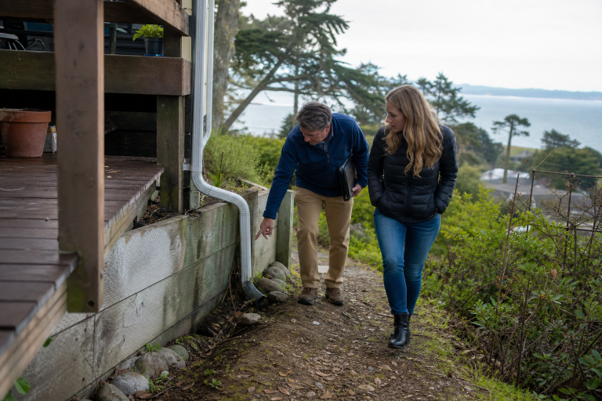
Every home needs an inspection, but homes near the coast and in the hills often require more targeted questions. Ask about previous water intrusion, drainage improvements, soil movement, retaining walls, foundation work, roof condition, deck safety, and recurring pest issues. If disclosures mention prior repairs, request invoices, permits, warranties, and details about the cause of the repair. A map result is only one part of due diligence. It should be considered alongside seller disclosures, insurance quotes, local drainage conditions, elevation, and guidance from qualified inspectors or contractors. Mountain buyers should also ask whether access roads are shared, steep, narrow, privately maintained, or difficult during storms. Coastal buyers should pay close attention to moisture, corrosion, drainage, and any signs of erosion or standing water. A specialized evaluation can be money well spent when a property has visible slope, water, or structural concerns.
Calculate the True Cost of Ownership
The list price does not reveal the full monthly and long-term cost of a home. Build a realistic budget before writing an offer, then leave room for surprises. This is particularly important when comparing an older hillside property with a newer or flatter-lot alternative.
- Mortgage principal, interest, and property taxes.
- Homeowners insurance, plus possible flood, wind, or other supplemental coverage.
- Electricity, water, trash, internet, septic service, or well maintenance.
- Routine roofing, painting, landscaping, pest control, and tree work.
- Driveway, drainage, retaining-wall, deck, or road repairs.
- Homeowners association dues, shared-road obligations, and possible special assessments.
A lower-priced home can become the more expensive choice if it needs immediate drainage work, major tree maintenance, a new roof, or higher insurance premiums. Estimate repairs for the first year, then plan 3 to 5 years. The goal is not to avoid every imperfect home. It is to ensure the property’s needs fit within the budget.
Research Permits, Easements, and Local Rules
Do not assume every finished room, deck, fence, retaining wall, garage conversion, or accessory structure was approved correctly. Unpermitted work can complicate lending, insurance, repairs, and resale. Review available building permits and final inspections, then compare the records with what is physically present. Also review title documents for easements, shared-driveway agreements, boundary concerns, and access rights. For homes with wells, septic systems, or unusual drainage, seek relevant service records. In coastal areas, check whether prior work may have required a California Coastal Commission permit or local coastal approval. Clear documentation makes it easier to understand what you are buying.
Assess Long-Term Resale Appeal
A home should serve your current needs, but it should also make sense to a future buyer. The broadest appeal often comes from practical strengths: a flexible floor plan, useful storage, reliable parking, natural light, privacy, sensible access to services, and documented upgrades. A dramatic view or highly customized feature may attract attention, but everyday usability usually supports a wider buyer audience.
Use a Pre-Offer Buyer Checklist
- Visit multiple times of day and drive the normal commute.
- Read disclosures, inspection reports, and available repair records closely.
- Check flood, drainage, slope, fire, road-access, and insurance considerations.
- Confirm permits for additions and major improvements.
- Request insurance pricing before removing key contingencies.
- Compare the property with recent nearby sales and estimate first-year repairs.
- Move forward only if the home still works after all ownership costs are included.
The best Santa Cruz County home is not necessarily the one with the largest view or newest kitchen. It is the home that supports daily life, carries manageable costs, poses understandable risks, and remains appealing after careful due diligence.
Conclusion
The best Santa Cruz County home is more than a property with beautiful surroundings or updated finishes. It is a home that fits your daily routine, financial goals, and long-term plans while balancing location, ownership costs, and maintenance responsibilities. By carefully comparing neighborhoods, reviewing property-specific risks, verifying permits and improvements, and calculating the true cost of ownership before making an offer, buyers can make more informed decisions. Taking the time to evaluate practical considerations alongside lifestyle benefits can help reduce unexpected expenses, improve long-term satisfaction, and increase the likelihood that the home will continue to meet your needs and retain strong resale appeal in the years ahead.
You may also like:
Secure Your Unoccupied Property With Vacant Property Insurance
From Drab to Fab: How to Transform Your Commercial Property to Attract More Tenants