Click here to get this post in PDF
Understanding the Core Types of CNC Plasma Cutter Tables
When exploring CNC plasma cutter tables, a foundational understanding of their construction and drive systems is crucial. These elements directly influence a table’s performance, durability, and suitability for different applications. From hobbyist setups to heavy industrial machinery, the core design principles vary significantly.
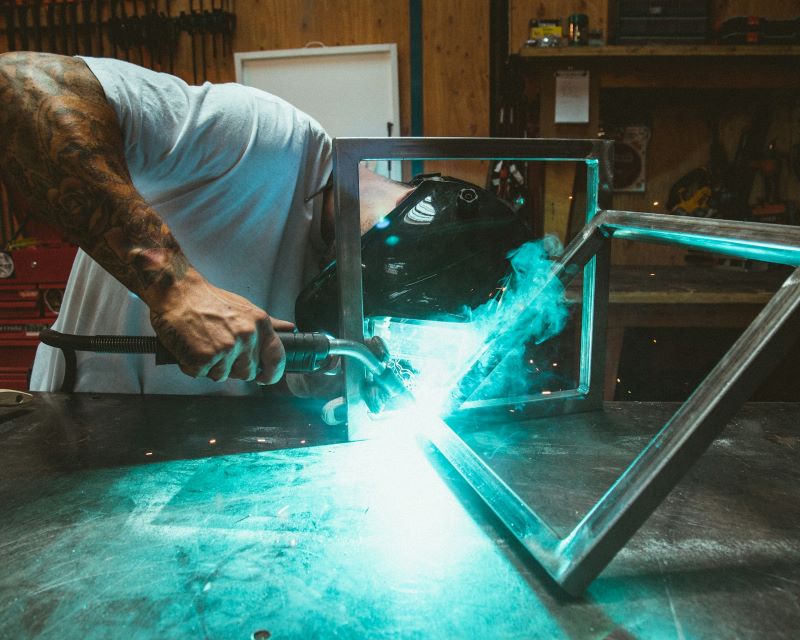
Modular vs. Welded Frame Construction
The primary distinction in table construction often lies between modular and welded frames. This choice impacts everything from assembly requirements to long-term stability.
Modular Tables: These systems are typically shipped in components, requiring the user to assemble the frame, gantry, and other parts.
- Assembly: They necessitate significant assembly, which can be a DIY project for the buyer. For example, some modular tables are designed for user assembly, allowing for a more hands-on approach.
- Shipping: Being disassembled, modular tables can often be shipped more affordably and are easier to maneuver into smaller shops or garages.
- Cost: Generally, modular tables present a lower entry point in terms of cost, making them attractive for hobbyists or small businesses with limited budgets.
- Flexibility: Some modular systems offer an upgrade path, allowing users to start with a basic configuration and add features like water pans or torch height controllers as their needs evolve.
Welded Frame Tables: These tables are constructed with a fully welded frame, often from heavy-gauge steel tubing, and typically ship pre-assembled or nearly assembled.
- Assembly: They require minimal to no assembly upon arrival, often being 98-100% factory-tested and ready to cut after setup. This significantly reduces installation time.
- Shipping: Due to their size and weight, welded frames often require specialized freight shipping, such as flatbed hotshot services, and may necessitate a forklift for unloading at the destination.
- Structural Rigidity & Vibration Dampening: A fully welded frame offers superior structural rigidity and vibration dampening. This robust construction is vital for maintaining precision, especially during high-speed cutting or when processing thick materials. The inherent strength of a welded design minimizes flex and ensures consistent cut quality over the lifespan of the machine.
- Durability: Welded frames are built for demanding environments and continuous operation, offering enhanced long-term durability compared to their modular counterparts.
For instance, while some modular plasma tables might start around $5,499 for a 2×4 model, fully welded PRO series tables can begin at $8,499 for a 4×4, reflecting the added manufacturing and shipping costs associated with their robust construction. Industrial-grade tables, like the Star Lab Hevi series, which are fully welded, start significantly higher due to their scale and heavy-duty design.
Stepper vs. Servo Motor Drive Systems
The type of motor used in a CNC plasma table’s drive system is another critical factor influencing performance, precision, and cost.
Stepper Motors:
- Operation: Stepper motors operate by moving in discrete steps, typically in an open-loop system where the controller sends pulses to the motor, assuming it executes each step accurately. While closed-loop stepper systems exist, they are less common than full servo systems.
- Cost: Stepper motor systems are generally more affordable, making them common in entry-level and mid-range CNC plasma tables.
- Performance: They offer good precision for many applications, with motion accuracies around 0.002 inches per 12 inches and step resolutions of 0.0005 inches. However, they can lose steps under heavy loads or rapid acceleration, potentially leading to positional errors.
- Torque: Stepper motors provide high torque at low speeds, which is beneficial for maintaining control during intricate cuts.
Servo Motors:
- Operation: Servo motors utilize a closed-loop feedback system, typically with encoders, to constantly monitor their position and speed. The controller continuously adjusts the motor’s output to ensure it precisely follows the commanded path.
- Precision & Speed: This feedback loop results in significantly higher precision, faster acceleration rates, and greater maximum cut speeds. Servo systems can achieve positioning accuracies of 0.001 inches across all sizes, even on large industrial tables.
- Cost: Servo motor systems are more expensive due to their advanced technology and components, including the motors, drives, and encoders.
- Durability & Reliability: They are known for their robustness and ability to handle demanding, continuous operation without losing steps, making them ideal for industrial and high-production environments.
- Advanced Mechanics: High-end servo tables often incorporate planetary gear reduction and helical rack and pinion systems. Planetary gear reduction enhances torque and reduces backlash, while helical rack and pinion systems provide smoother, quieter operation and increased accuracy compared to traditional spur gears. These features contribute to the overall superior motion control and cut quality of servo-driven tables.
For example, STVCNC offers Optimum Plasma Tables with servo motors starting at $15,499 for a 4×4 model, significantly higher than their stepper-driven modular options, reflecting the enhanced performance and precision.
Selecting the Right Table Size and Cutting Area
Choosing the correct table size is paramount, directly impacting workflow efficiency, material handling, and the types of projects you can undertake. It’s a balance between your available shop footprint, the size of the material you typically process, and your future growth potential.
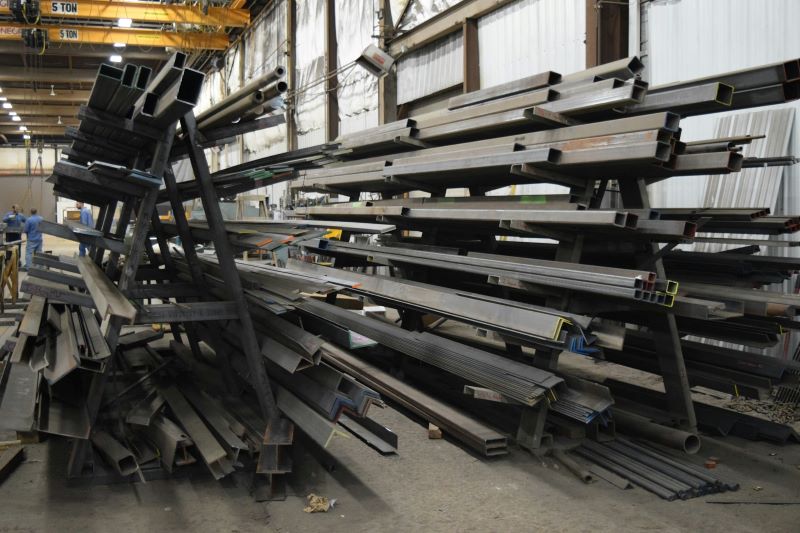
Standard Table Dimensions for Small Shops
For home workshops, small businesses, or those just starting with CNC plasma cutting, compact tables offer an excellent balance of capability and space efficiency.
- 2×2 Tables: These are among the most compact options, often featuring a cutting envelope around 24″ x 24″ or 25.3″ x 23.3″. They are ideal for:
- Garage Workshops: Their small footprint makes them suitable for limited spaces.
- DIY Prototyping: Perfect for cutting small parts, brackets, and custom designs.
- Entry-Level Use: Many are designed to run on standard 120V household power, making them accessible. Examples include the Eastwood Versa Cut 2×2 CNC Plasma Table, starting around $2,299.97, and Premier Plasma CNC’s 2×2 models.
- 2×4 Configurations: Offering a slightly larger work area, these tables are a step up for those needing to process longer pieces while still being mindful of space.
- 4×4 Tables: A popular mid-size option, 4×4 tables (e.g., 49.2″ x 49.2″ cutting area) provide a good balance for many small to mid-sized projects. They can handle larger sheet metal pieces than 2×2 tables and are often found in both modular and welded frame configurations. The Eastwood Elite 4×4 table, for instance, is designed for professional cutting up to 3/8-inch plate.
When considering these smaller tables, it’s important to evaluate the “cutting envelope” (the actual area the torch can traverse) versus the overall machine footprint. Also, consider material handling – can you easily load and unload full sheets, or will you need to cut them down manually first?
Industrial and Production Scale CNC Plasma Cutter Tables
For commercial facilities, heavy fabrication shops, and businesses focused on high-volume production, larger and more robust tables are necessary.
- 4×8, 5×10, and 6×12 Tables: These are standard sizes designed to accommodate full sheets of common metal stock, such as 4×8 ft or 5×10 ft plates.
- Full Sheet Processing: These sizes allow for efficient processing of standard sheet metal, minimizing waste and maximizing material yield.
- Heavy Fabrication: They are built to handle heavier materials and continuous operation, often featuring industrial-grade components and drive systems.
- Material Handling: Many larger tables incorporate features like side-loading capability, making it easier to load heavy sheets with forklifts or overhead cranes.
- Examples: STVCNC offers 4×8, 5×10, and 6×12 models across its SparX, PRO, and Optimum series. The Piranha Arc Max Elite CNC Plasma Table is available in sizes up to 6×12, offering production air-plasma cutting for demanding applications.
- Larger Industrial Tables (e.g., 5×20, 10×24): For specialized applications requiring processing of very long or wide plates, ultra-large industrial tables are available.
- Specialized Production: These are typically custom-built or part of a manufacturer’s “Hevi” series, designed for extreme durability and precision on massive workpieces. Star Lab’s Hevi series, for example, includes tables up to 10×24 feet, starting from $48,599 and reaching over $100,000 for the largest configurations.
- Build-to-Suit Options: Some manufacturers offer “build-to-suit” programs, allowing businesses to order custom-sized tables tailored to unique production needs.
When selecting an industrial-scale table, consider not just the cutting area but also the weight capacity, the type of material you’ll be cutting (mild steel, stainless, aluminum), and the maximum thickness your plasma cutter can handle. The table should complement the capabilities of your plasma power source.
Essential Features, Software, and System Integration
Beyond the basic frame and motors, a CNC plasma table’s true capabilities are defined by its integrated features, control software, and overall system design. These elements contribute significantly to cut quality, operational efficiency, and user experience.
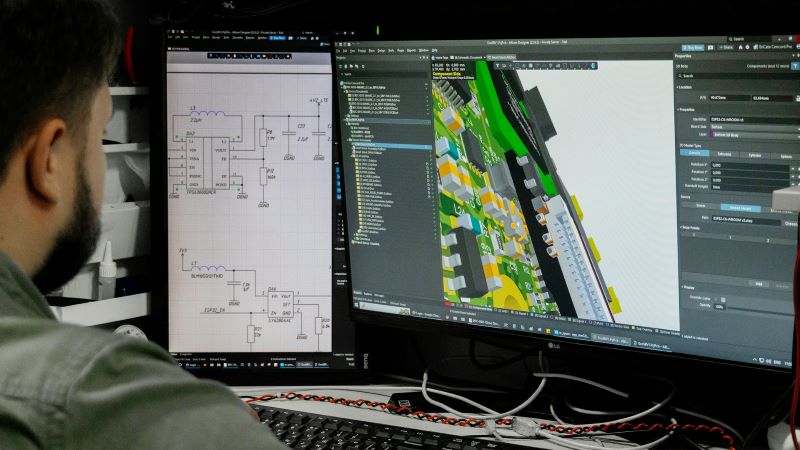
The Role of Torch Height Control (THC) in CNC Plasma Cutter Tables
Torch Height Control (THC) is arguably one of the most critical features for achieving consistent, high-quality plasma cuts. It automatically maintains the optimal distance between the plasma torch and the workpiece during cutting.
- Consistent Cut Quality: Plasma cutting is highly sensitive to torch-to-work distance. THC ensures this distance remains constant, even on warped or uneven material, leading to uniform bevel angles, reduced dross, and overall superior cut quality.
- Nozzle Protection: By preventing the torch from diving into the material, THC significantly extends the life of consumables (nozzles and electrodes), reducing operational costs.
- Plate Warping Compensation: As metal heats during cutting, it can warp. THC dynamically adjusts the torch height to compensate for these changes, ensuring the cut remains consistent across the entire part.
- Pierce Height Control: THC systems often manage the “pierce height” – the initial distance the torch is set at before piercing the material. This is crucial for successful piercing and preventing premature consumable wear.
- Types of Sensing:Voltage Feedback THC: This is the most common type, where the system monitors the arc voltage, which correlates to the torch-to-work distance.
- Ohmic Touch-off: Many systems also incorporate ohmic sensing, where the torch briefly touches the material to establish a precise initial Z-axis position before piercing. This provides an accurate starting point, especially for non-uniform surfaces.
Advanced THC technologies, such as those featured on Star Lab models, are essential for professional results.
Fume Management: Water Tables vs. Downdraft Systems
Plasma cutting generates significant smoke, fumes, and sparks. Effective fume management is crucial for operator safety, shop cleanliness, and sometimes even cut quality.
- Water Tables: These tables incorporate a pan filled with water beneath the cutting surface.
- Fume and Spark Suppression: The water effectively captures most of the smoke, fumes, and sparks directly at the source, preventing them from entering the shop air.
- Dross Reduction: The cooling effect of the water can help reduce dross (molten metal that solidifies on the cut edge).
- Material Warping: The water helps cool the material during cutting, which can minimize heat-induced warping, especially on thinner sheets.
- Maintenance: Water tables require regular maintenance, including adding rust inhibitors (e.g., Plasma Guard), cleaning out accumulated dross, and maintaining proper water levels. Water capacity varies significantly by table size; for instance, a 2×2 table might hold 10.4 gallons, while a 6×12 industrial table could hold 420 gallons.
- Hydrogen Gas: It’s important to manage the water pan to prevent hydrogen gas pockets, which can form if certain conditions are met, by ensuring proper agitation or water treatment.
- Downdraft Systems: While not as extensively detailed in the provided research, downdraft systems are an alternative that uses fans to pull air, smoke, and fumes down through the cutting slats and into a filtration system. They are effective for shops where a water table is not preferred or practical.
Other Key Features and Add-ons
- Collision Detection & Magnetic Breakaway: These safety features protect the torch and gantry in case of a collision with an obstacle or tip-up. A magnetic breakaway torch mount allows the torch to detach upon impact, preventing damage, and can be quickly reattached.
- Automatic Homing: This feature allows the machine to automatically find its home (zero) position upon startup, ensuring accurate positioning for subsequent cuts.
- Software Options:CAD/CAM Software: Essential for designing parts (CAD) and converting those designs into machine-readable G-code (CAM). Popular options include Fusion 360, SheetCAM, FlashCut CNC, MyPlasmCNC, and Torchmate CAD/CAM. Many tables come bundled with or are compatible with these.
- Nesting Software: Optimizes material usage by arranging multiple parts on a single sheet, minimizing scrap.
- Controller Software: The interface used to operate the machine, often proprietary (e.g., FireControl for CrossFire, MyPlasmCNC for STVCNC and iPlasma XTREME, FlashCut CNC for Piranha).
- Post-Processors: Specific files that translate CAM output into G-code compatible with a particular CNC controller.
- Add-ons: Depending on the table, optional accessories can expand capabilities:
- Oxy-fuel Torch: For cutting very thick steel beyond plasma capabilities.
- Pipe/Tube Cutter: A rotary axis for cutting cylindrical materials.
- Router Kit: Converts the plasma table into a CNC router for softer materials.
Power, Space, and Installation Requirements
Setting up a CNC plasma table, whether in a home shop or a commercial facility, involves specific requirements for power, space, and installation that buyers must consider. Overlooking these can lead to costly delays or operational issues.
Electrical Service:
- Table Control: Most CNC plasma table control systems operate on standard 110V or 120V AC power, drawing relatively low amperage (e.g., ~1.25A for an Eastwood Elite 4×4 table).
- Plasma Cutter: The plasma power source itself demands significantly more power. Entry-level cutters might run on 220V/240V AC single-phase, while higher-output industrial plasma cutters often require 200-600V AC three-phase power. It’s crucial to match your shop’s electrical service to the plasma cutter’s requirements.
- Grounding: Proper grounding is paramount for safety and to prevent electromagnetic interference (EMI) that can disrupt sensitive CNC electronics. Manufacturers often specify grounding requirements, such as using a dedicated 3-wire or 4-wire service with a protective earth ground.
- Phase Converters: If your shop only has single-phase power but your industrial plasma cutter requires three-phase, a phase converter will be necessary.
Air Supply:
- Clean, Dry Air: Plasma cutting relies on compressed air (or other gases) to form the plasma arc. This air must be clean, dry, and oil-free. Moisture and contaminants can severely degrade cut quality and damage consumables.
- Compressor & Dryer: You’ll need an air compressor capable of delivering the required cubic feet per minute (CFM) or standard cubic feet per minute (SCFM) at a specific pressure (PSI). For example, a Torchmate 4400 requires 9.2 SCFM at 90 PSI, while an STVCNC table might need 6 SCFM at 90 PSI. An air dryer (refrigerated or desiccant) is essential to remove moisture, and often, additional inline filters are recommended.
Space Requirements:
- Shop Footprint: Beyond the table’s dimensions, you need adequate space around it for safe operation, material loading/unloading, and maintenance. Consider the full travel of the gantry and any external components.
- Material Handling: For larger tables, consider how you will load full sheets of metal. This might require overhead cranes, forklifts, or simply ample clear space for manual handling. Tables with side-loading capabilities can be advantageous.
- Safety Zones: Establish clear safety zones around the machine to protect operators and bystanders from sparks, fumes, and moving parts.
Installation Considerations:
- Level Surface: The table needs to be installed on a flat, level surface to ensure accurate cutting. Many tables come with adjustable leveling feet.
- Unloading: Larger, fully welded tables can weigh thousands of pounds and require heavy equipment (like a forklift) for unloading from freight delivery. Some manufacturers offer professional installation services, which can include unloading and setup.
- Lead Time: Be aware of lead times, especially for custom or popular models. Some manufacturers boast quick lead times (e.g., 6-9 days or even 5 days for Premier Plasma CNC), while others might have longer waits.
Frequently Asked Questions About CNC Plasma Tables
To further clarify common queries, we’ve compiled answers to some frequently asked questions about CNC plasma tables.
What is the difference between conventional and precision plasma systems?
The distinction between conventional and precision plasma systems lies primarily in their arc characteristics, gas usage, and resulting cut quality.
- Conventional Plasma: These systems typically use shop air (or sometimes nitrogen) as the plasma gas. They operate with a relatively wider arc and lower current density. While effective for general-purpose cutting of various metals, they produce a wider kerf (cut width), more dross, and a larger heat-affected zone. The cut edges are often rougher, and hole quality may be limited. They are generally more affordable and suitable for applications where high precision isn’t the top priority.
- Precision Plasma: Also known as high-definition plasma, these systems use specialized torch designs and often multiple gases (e.g., oxygen for mild steel, nitrogen for stainless steel, or mixtures like argon/hydrogen/nitrogen) to create a much tighter, constricted plasma arc with higher current density. This results in:
- Sharper Cuts: Significantly finer cut edges with minimal dross.
- Tighter Tolerances: Capable of achieving much higher accuracy and repeatability.
- Superior Hole Quality: Can produce bolt-ready holes without secondary drilling.
- Narrower Kerf: Maximizes material utilization.
- Longer Consumable Life: Due to optimized arc control. Precision plasma systems are more expensive to purchase and operate (due to specialized gases and consumables) but deliver industrial-grade cut quality comparable to laser cutting for many applications.
What are the electrical and air requirements for running a CNC plasma table?
As discussed earlier, electrical and air requirements vary significantly based on the size and power of the plasma table and cutter.
- Electrical:Table Control: Typically 110V/120V single-phase for the CNC controller, motors, and other table electronics.
- Plasma Cutter: This is the main power consumer. Entry-level plasma cutters (e.g., 40-60 amp units) usually require 220V/240V single-phase. Industrial-grade plasma cutters (e.g., 85-125 amp units and above) almost always demand 200V-600V three-phase power. Always check the specific plasma cutter’s requirements.
- Grounding: A dedicated, properly grounded circuit is essential to prevent electrical noise from affecting the CNC electronics and for safety.
- Air:Compressor: You need an air compressor capable of supplying a continuous flow of air at the required pressure and volume. For instance, a typical system might need 6-9 SCFM (Standard Cubic Feet per Minute) at 90-120 PSI. Intermittent use might tolerate a smaller compressor, but continuous cutting requires a compressor with sufficient reserve capacity.
- Air Dryer: Crucially, the compressed air must be dry. A refrigerated air dryer or a desiccant dryer is necessary to remove moisture, which can cause poor cut quality, excessive dross, and damage to the plasma torch.
- Filters: Additional particulate and oil filters are often recommended to ensure the air is clean and free of contaminants.
Can a CNC plasma table be used with any standard handheld plasma cutter?
No, not all handheld plasma cutters are compatible with CNC plasma tables. Several critical factors determine compatibility:
- High-Frequency (HF) Start: Many entry-level handheld plasma cutters use a high-frequency (HF) start mechanism to initiate the arc. The high-frequency electrical noise generated by these units can interfere with the sensitive electronics of a CNC controller, leading to erratic machine movement, communication errors, or even damage to the control board.
- Compatibility: Most CNC plasma tables, especially those in the hobbyist and small business range, require non-HF start or blow-back start plasma cutters. These methods use a different mechanism to initiate the arc that does not generate disruptive HF noise. For example, the CrossFire Personal CNC Plasma explicitly states compatibility only with non-High Frequency start or Blow-back start plasma cutters. The Eastwood Versa-Cut 4×4 table is incompatible with their Versa-Cut 60 because it uses a high-frequency start.
- Machine Torch vs. Handheld Torch: While some tables might accommodate a handheld torch mounted in a fixture, a dedicated machine torch is highly recommended or required for optimal CNC performance. Machine torches are designed for automated use, often with longer, straighter bodies for easier mounting and better alignment, and sometimes with integrated CNC interface ports.
- CNC Interface: For full CNC control, the plasma cutter needs to have a CNC interface or arc voltage outputs. These connections allow the CNC controller to turn the plasma cutter on/off, sense the arc voltage for THC, and sometimes monitor other parameters. Without these outputs, the CNC table cannot fully automate the cutting process.
Always check the plasma table manufacturer’s compatibility list and ensure your plasma cutter meets the specific requirements, particularly regarding HF start and CNC interface capabilities.
Conclusion
Investing in a CNC plasma cutter table is a strategic decision that can significantly enhance your metal fabrication capabilities. From the initial choice between modular and welded frames to the intricate details of servo versus stepper motors, each component plays a vital role in the machine’s overall performance and long-term value.
We’ve explored the diverse range of cutting area sizes, from compact 2×2 tables perfect for home shops to massive industrial systems designed for heavy production. Understanding your current and future project needs is key to selecting the right dimensions.
Critical features like Torch Height Control (THC) are not mere add-ons but necessities for achieving consistent cut quality and extending consumable life. Effective fume management, whether through a water table or a downdraft system, ensures a safer and cleaner working environment. The integration of robust software for CAD/CAM, nesting, and machine control streamlines your workflow, turning digital designs into physical products with precision.
Considering the power, space, and installation requirements upfront will prevent costly surprises and ensure a smooth setup. Remember the importance of proper electrical service, a clean and dry air supply, and adequate shop space for operation and material handling.
Finally, when making your purchase, look beyond the initial price tag. Evaluate the investment value in terms of long-term durability, the manufacturer’s warranty (which can range from 1 year to lifetime on certain components), and the availability of ongoing technical support. Many reputable brands offer lifetime technical support and access to community resources, which can be invaluable for new owners. Financing and leasing options are often available, making these powerful machines more accessible.
By carefully considering all these factors, you can make an informed decision that empowers your shop to achieve new levels of precision, efficiency, and creativity in metal fabrication.
Also read: Navigating the Strict Standards of Aerospace and Medical CNC Machining