Click here to get this post in PDF
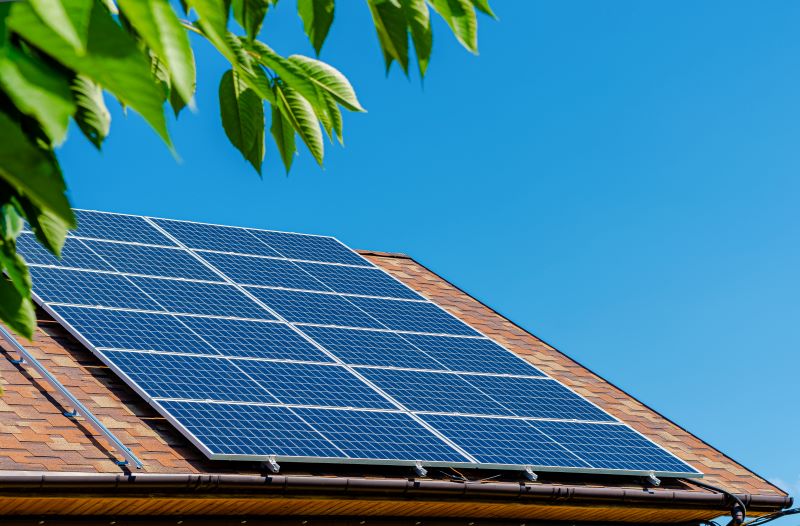
As more homeowners and businesses explore renewable energy options, solar power continues to stand out as a practical and environmentally responsible choice. However, installing solar panels is not just a technical decision. It is also a financial one. Among the different ways to access solar energy, power purchase agreements, often called PPAs, have become a popular option. Understanding the solar PPA pros and cons is essential for anyone considering this path.
A solar PPA offers an alternative to owning or leasing solar equipment, but it comes with its own advantages and limitations. This article takes a balanced, informative look at how PPAs work, why they appeal to many homeowners, and what factors should be carefully considered before choosing one.
What Is a Solar Power Purchase Agreement?
A solar power purchase agreement is an arrangement where a third party installs and owns a solar energy system on a homeowner’s property. Instead of buying the system, the homeowner agrees to purchase the electricity it produces at a predetermined rate.
This rate is typically lower than standard utility prices, at least at the start of the agreement. The homeowner benefits from solar energy without the upfront cost of installation, while the system owner handles maintenance and operation.
Because the homeowner is paying for energy rather than equipment, the structure of a PPA differs significantly from ownership or leasing models.
Why Homeowners Consider Solar PPAs
The appeal of solar PPAs often lies in accessibility. Many people want to reduce energy costs and environmental impact but are hesitant about large upfront investments or long-term maintenance responsibilities.
PPAs lower the barrier to entry by eliminating installation costs. This makes solar energy available to households that might not otherwise consider it.
Understanding the solar PPA pros and cons helps clarify whether this convenience aligns with long-term goals.
The Advantages of Solar PPAs
Little to No Upfront Cost
One of the most significant benefits of a solar PPA is the lack of upfront expense. Since the system is installed and owned by a third party, homeowners do not need to pay for equipment or installation.
This makes solar energy more accessible, especially for households that prefer not to take on loans or large initial payments.
Predictable Energy Pricing
PPAs typically offer a fixed or gradually increasing rate for solar electricity. This provides a level of predictability compared to utility rates, which can fluctuate.
For homeowners concerned about rising energy costs, this stability can make budgeting easier over time.
Maintenance Is Not the Homeowner’s Responsibility
Because the system owner retains ownership, they are responsible for monitoring, maintenance, and repairs. This reduces the technical burden on the homeowner.
For people who want a hands-off approach to solar, this is a major advantage.
Environmental Benefits Without Ownership
PPAs allow homeowners to use renewable energy without managing the equipment. This supports sustainability goals while avoiding ownership-related complexities.
The Disadvantages of Solar PPAs
While PPAs offer clear benefits, there are also important trade-offs to consider. Examining the solar PPA pros and cons means looking closely at these limitations.
No Ownership or Equity
With a PPA, the homeowner does not own the solar system. This means they do not build equity in the equipment or benefit directly from incentives tied to ownership.
Over the long term, ownership may provide greater financial returns for some households.
Long-Term Contracts
Solar PPAs often involve long-term agreements, commonly 15 to 25 years. While this provides stability, it also limits flexibility.
Homeowners who plan to move before the contract ends should consider how the agreement affects property resale or transfer.
Potential Rate Escalations
Some PPAs include annual rate increases. While the starting rate may be lower than utility prices, escalations can reduce savings over time.
Understanding how rates change is essential when evaluating long-term value.
Limited Control Over the System
Because the homeowner does not own the system, they have limited control over equipment decisions. Changes or upgrades typically require approval from the system owner.
This may not appeal to homeowners who prefer autonomy over their energy systems.
Comparing PPAs to Other Solar Options
To fully understand solar PPA pros and cons, it helps to compare PPAs with other solar arrangements.
- System ownership requires higher upfront costs but offers full control and potential long-term savings.
- Solar leases spread costs over time but still involve fixed payments and no ownership.
- PPAs focus on energy purchase rather than equipment, prioritizing simplicity and accessibility.
Each option serves different financial preferences and risk tolerances.
Why PPAs Appeal to Certain Homeowners
PPAs often appeal to homeowners who value convenience over ownership. They are especially attractive to those who want immediate access to solar energy without financial complexity.
They can also be useful for households uncertain about long-term plans or those who prioritize short- to medium-term savings.
However, homeowners with stable long-term plans may find that other options better align with their goals.
The Importance of Understanding the Contract
A solar PPA is a contractual agreement, and its details matter. Terms related to pricing, escalation, duration, and system performance should be clearly understood before signing.
Reading and understanding these terms helps avoid surprises and ensures expectations are aligned.
Careful consideration of contract details is a key part of evaluating the solar PPA pros and cons.
Environmental Impact and Broader Benefits
From an environmental perspective, PPAs support renewable energy adoption. They contribute to reduced reliance on fossil fuels and lower household carbon footprints.
By making solar accessible to more people, PPAs help accelerate the transition to cleaner energy sources.
Why There Is No One-Size-Fits-All Answer
The decision to choose a solar PPA depends on individual circumstances. Financial goals, length of homeownership, risk tolerance, and personal preferences all play a role.
What works well for one household may not work for another. This is why understanding both sides of the equation is essential.
Final Thoughts
Solar power purchase agreements offer a practical way for homeowners to access renewable energy without upfront investment or maintenance responsibility. At the same time, they come with trade-offs related to ownership, flexibility, and long-term savings.
By carefully weighing the solar PPA pros and cons, homeowners can decide whether this model fits their needs and priorities. In a growing and evolving solar market, informed choices are the key to making energy decisions that feel both responsible and sustainable.
Also read: How Your Small Business Can Save Money with Solar Energy
Image source: elements.envato.com