Click here to get this post in PDF
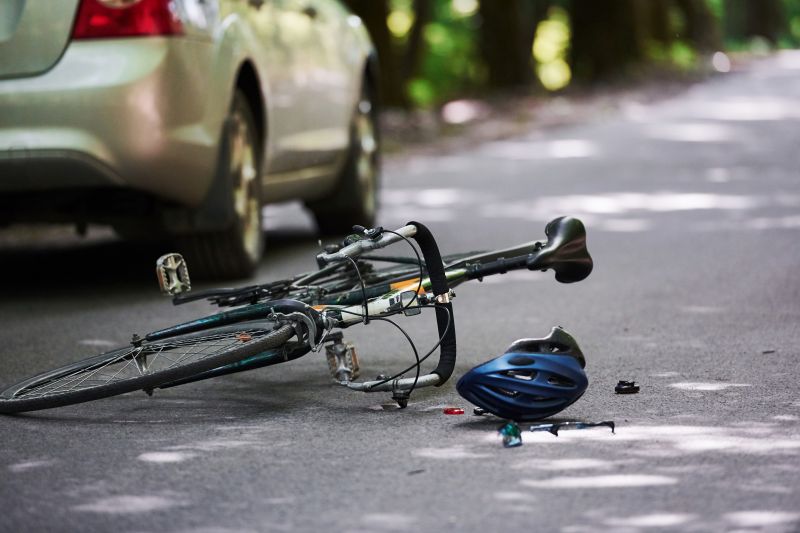
New York City streets move fast. Cars, buses, trucks, cabs, and bikes all fight for space. You feel that pressure every time you ride. One wrong move and your life can change in a second. This blog explains New York City bicycle accident laws and simple steps that can protect you. You will learn what drivers must do, what rights you have in traffic, and what happens if a crash occurs. You will also see how to document a crash, when to call the police, and how to talk to insurance. You do not have to guess. Clear rules exist. So do clear safety habits that cut your risk. If you have already had a crash, you can visit 24injurylaw.com to read more about legal options. Your choices after a crash matter. Your choices before a crash matter even more.
Your basic rights and duties as a cyclist
New York law treats your bike as a vehicle. You have the right to use most streets. You also must follow traffic rules. That balance protects you and others.
You must:
- Obey traffic lights and stop signs
- Ride in the same direction as traffic
- Use bike lanes when they are marked and safe
- Yield to pedestrians in crosswalks
You have the right to:
- Use the full lane when it is too narrow to share safely
- Expect drivers to pass at a safe distance
- Report unsafe road conditions to the city
- Seek payment for injuries and damage after a crash
You can read a clear list of New York City bike rules from the Department of Transportation at NYC DOT Bicycle Tips.
Key New York City bicycle laws you should know
These rules often decide who is at fault after a crash. They also shape how police and insurance see your case.
- Helmet use. All riders under 14 must wear a helmet. Adults do not have to wear one. Yet a helmet can cut head injury risk. Juries also look at helmet use when they judge your choices.
- Sidewalk riding. You may not ride on the sidewalk if you are 13 or older. A child 12 or younger may ride on the sidewalk on a small bike.
- Riding with traffic. Wrong way riding is illegal. It also increases crash risk. Police and insurers often blame the wrong way rider.
- Lights and reflectors. You must use a white front light and a red rear light from dusk to dawn. You also need reflectors. Lack of lights makes it harder to prove you rode with care at night.
- Phones and headphones. You may not wear two earphones. You may use one. You also may not text while riding. Distraction hurts your claim and your safety.
New York State law on bikes is in the Vehicle and Traffic Law. You can review the main rules at the state site here New York State Bicycle Laws.
Common crash causes and what they mean for fault
Many New York City bike crashes follow the same patterns. Knowing them helps you avoid harm and protect your rights.
| Crash type | Typical cause | Who is often at fault | Simple way to cut risk |
|---|---|---|---|
| Dooring | Driver opens door into bike lane | Driver or passenger who opened the door | Scan parked cars. Leave space from the door zone. |
| Right hook | Driver turns right across your path | Turning driver | Do not pass large vehicles on the right at lights. |
| Left cross | Oncoming car turns left in front of you | Turning driver | Make eye contact. Cover your brakes at intersections. |
| Side swipe | Driver passes too close | Passing driver | Take the lane when it is too narrow to share. |
| Fall from road hazard | Pothole, rail, or metal plate | City or contractor, if they knew and did not fix | Slow in work zones. Report hazards to 311. |
What to do right after a bicycle crash
Your steps in the minutes after a crash can shape your health and your legal rights.
First, move out of traffic if you can. Then follow these three steps.
- Call 911. Tell the operator you had a bike crash with a motor vehicle. Ask for both police and an ambulance even if you feel fine. Some injuries show up later.
- Get driver and witness details. Take photos of the license plate, driver license, and insurance card. Ask witnesses for names and phone numbers. If the driver leaves, tell police at once.
- Record the scene. Use your phone to take photos of your bike, the car, street signs, skid marks, and your injuries. Also note the time, weather, and traffic light color.
You should keep your damaged bike and gear. These items can show the force and direction of the crash.
Medical care, insurance, and legal claims
New York is a no fault state for car crashes. That rule also covers many bike crashes with cars. The driver’s no fault insurance may pay for your medical bills and lost wages up to policy limits.
You should:
- Seek medical care the same day if possible
- Tell the doctor every body part that hurts
- Save all bills, receipts, and visit summaries
Insurance companies look for gaps in care to argue that you healed or that the crash did not cause your pain. Clear records protect you.
You may also bring a claim for pain and long term harm if you meet New York’s “serious injury” threshold. That can include broken bones, long loss of work, or long limits on daily tasks. A legal team can explain that line and how it fits your case.
Simple safety habits for every New York City ride
You cannot control every driver. You can control your own habits. Three daily choices cut your risk.
- Be seen. Wear light colors. Use front and rear lights day and night. Use reflectors on your wheels and pedals.
- Ride a clear line. Do not weave between parked cars. Hold a straight path so drivers can judge your movement.
- Think one step ahead. Slow near intersections. Expect doors to open. Expect sudden turns. Plan an escape route.
You can also teach children simple rules. Stop at every corner. Look left, right, then left again. Walk the bike across wide avenues until they gain skill.
When to seek legal help
You should speak with a legal professional if:
- You needed emergency care or a hospital stay
- You missed work or school
- The driver blames you or left the scene
- An insurance company presses you to sign or record a statement
You do not have to face that stress alone. New York law gives you rights. Clear steps and calm choices help you use them.
Also read:
When a Motorcycle Crash Sends Business Plans Off Course
New York Vehicle Accident Lawsuits: Understanding the Statute of Limitations
Image source: elements.envato.com