Click here to get this post in PDF
Core Pillars of Modern Industrial Processing Technology
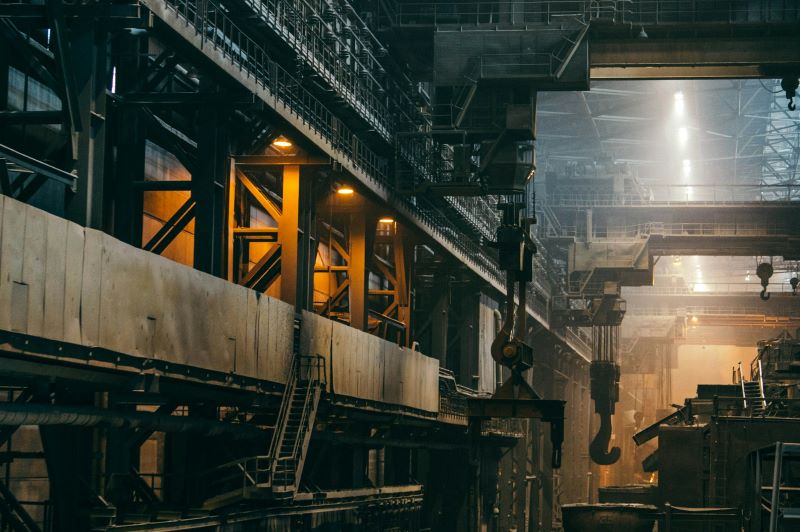
In today’s rapidly evolving world, industrial processing technology serves as the critical engine driving countless industries. From the creation of life-saving medicines to the efficient production of our everyday goods, its impact is profound. This dynamic field constantly innovates, pushing the boundaries of efficiency, quality, and sustainability in manufacturing.
We rely on these advanced technologies to skillfully transform raw materials into finished products. This often involves complex and precise operations, such as material handling and Patterson Kelley industrial blending. Understanding these processes is key to appreciating modern production.
In this extensive guide, we will explore the core pillars and groundbreaking advancements shaping today’s industrial processing landscape. We will delve into fundamental unit operations, advanced automation, precision measurement, sustainability initiatives, and the exciting potential of emerging technologies like AI and the Internet of Things. Our aim is to provide a comprehensive view of how these innovations are revolutionizing industries worldwide in June 2026.
Industrial processing technology represents a sophisticated evolution from traditional manufacturing methods. While traditional manufacturing often relied on manual labor, mechanical tools, and sequential, often isolated, production steps, modern industrial processing leverages scientific principles, engineering design, and integrated systems to transform raw materials into finished goods. This shift has led to unprecedented levels of precision, speed, and consistency.
At its heart, industrial processing is about controlling physical and chemical changes to materials. Unlike older approaches that might involve simple assembly or shaping, process technology delves into the molecular and macroscopic properties of substances, orchestrating reactions, separations, and transformations on an industrial scale. For instance, processes like those in the petrochemical, refining, and pharmaceutical sectors require meticulous control over temperature, pressure, and composition, far beyond what traditional workshops could achieve. This systematic approach allows for the production of complex chemicals, advanced materials, and highly purified substances that are critical to our modern economy.
The journey from raw material to a final product in industrial settings is a marvel of engineering. It involves a series of interconnected steps, each designed to modify the material in a specific way. The selection and integration of equipment for these steps are crucial, whether for intricate chemical synthesis, large-scale food processing, or efficient materials handling. For example, in the food industry, a comprehensive understanding of food processing technologies is essential to ensure product safety, quality, and shelf life, covering everything from raw material preparation to packaging and distribution.
Unit Operations: The Building Blocks of Transformation
The foundation of industrial processing technology lies in what are known as “unit operations.” These are fundamental physical and chemical transformations that occur repeatedly across various industries, regardless of the specific product being made. Mastering these operations is key to designing and optimizing any processing plant.
Key unit operations include:
- Fluid Flow: Managing the movement of liquids and gases through pipes, pumps, and valves.
- Heat Transfer: Adding or removing thermal energy, critical for reactions, drying, and sterilization. Equipment like heat exchangers and furnaces are central here.
- Mass Transfer: The movement of chemical species from one phase to another, such as in absorption, adsorption, or extraction.
- Distillation: A common separation technique that exploits differences in boiling points to separate liquid mixtures, widely used in refining and chemical production.
- Reactors: Vessels where chemical reactions take place, designed to optimize conversion, yield, and selectivity under specific conditions of temperature, pressure, and mixing.
- Mixing and Blending: Combining different materials, whether liquids, solids, or gases, to achieve uniformity. This is vital in industries from pharmaceuticals to food.
- Separation: Isolating components from a mixture, including filtration, centrifugation, sedimentation, and crystallization.
These operations are not isolated; they are often interconnected in complex sequences to achieve the desired product specifications. Understanding the underlying chemical process analysis and design principles allows engineers to model, predict, and optimize these transformations, ensuring efficient use of resources and consistent product quality.
Batch vs. Continuous Processing: Strategic Choices
One of the most fundamental decisions in industrial processing is whether to employ a batch or continuous system. Each approach has distinct advantages and disadvantages, making the choice dependent on factors like production volume, product variety, and process complexity.
Batch Processing involves processing a finite quantity of material at a time. The raw materials are loaded into a vessel, processed through a series of steps, and then the finished product is discharged before the next batch begins.
- Advantages: High flexibility for producing multiple products or varying product specifications; easier to clean and sterilize (critical in pharmaceutical and food industries); suitable for smaller production volumes or specialized products.
- Disadvantages: Often less efficient in terms of labor and energy per unit of product; downtime between batches for cleaning and setup; can lead to variability between batches if not tightly controlled.
- When appropriate: For high-value, low-volume products; when frequent product changes are needed; for processes requiring long reaction times or complex sequences that are difficult to manage continuously. For example, many batch mixing operations in specialty chemical or pharmaceutical production utilize this method.
Continuous Processing involves a steady flow of raw materials into the system and a continuous output of finished product. All operations occur simultaneously and constantly.
- Advantages: High throughput and efficiency; consistent product quality due to steady-state operation; lower labor and energy costs per unit of product; suitable for large-scale production.
- Disadvantages: Less flexible for product changes; high initial capital investment; shutdown and startup procedures can be complex and time-consuming; difficult to manage if process conditions fluctuate.
- When appropriate: For high-volume, low-variety products like fuels, bulk chemicals, or commodity plastics; when consistent product quality is paramount; where continuous operation can maximize equipment utilization.
The table below summarizes key differences:
Feature Batch Processing Continuous Processing Volume Low to medium High Flexibility High (multiple products, varying specs) Low (optimized for one product) Efficiency Lower per unit (downtime, setup) Higher per unit (steady-state, less labor) Capital Cost Lower initial investment Higher initial investment Product Quality Can vary between batches; easier to control batch Highly consistent; harder to control fluctuations Applications Pharmaceuticals, specialty chemicals, food batches Petrochemicals, bulk chemicals, commodities, refining Precision Blending and Thermal Processing Equipment
Within both batch and continuous frameworks, specialized equipment is paramount. For example, in powder processing, precision blending equipment ensures uniform distribution of components, even for micro-ingredients. Tumble blenders, for instance, are widely used for their gentle yet effective mixing action, ideal for sensitive materials. Similarly, advanced drying solutions are critical for removing moisture, preserving product integrity, and preparing materials for subsequent steps. Equipment like vacuum dryers and high-pressure vessels (HP vessels) are engineered for specific thermal and pressure requirements, often in industries like pharmaceuticals, food, and advanced materials.
The selection and integration of this equipment are highly application-specific. For chemical synthesis, reactors must be chosen based on reaction kinetics, temperature control, and safety. In food processing, hygienic design and material compatibility are paramount to prevent contamination. For materials handling, systems like pneumatic conveyors and feeders must be designed to minimize degradation and ensure consistent flow. Our expertise in Patterson Kelley industrial blending equipment and advanced drying solutions ensures that materials are processed efficiently and to the highest quality standards, regardless of the industry.
The Digital Transformation: Automation, AI, and IoT
The current phase of industrial technology, often termed Industry 4.0, marks a profound shift towards integrating cyber-physical systems, digital technologies, and advanced computing into manufacturing. This transformation is revolutionizing how processes are controlled, optimized, and managed, leading to unprecedented levels of efficiency, safety, and product quality.
Automation, control systems, and process analytical technology (PAT) are at the forefront of this digital revolution. Automation involves using machines and software to perform tasks previously done by humans, reducing errors and increasing speed. Control systems, ranging from simple feedback loops to complex distributed control systems (DCS), continuously monitor process variables (temperature, pressure, flow) and adjust parameters to maintain optimal conditions. This real-time adjustment minimizes deviations, ensuring consistent product quality and preventing costly upsets.
The integration of the Internet of Things (IoT) allows for a vast network of sensors and devices to collect and exchange data across the entire processing plant. This data, when analyzed using Artificial Intelligence (AI) and machine learning algorithms, can identify patterns, predict equipment failures, and suggest optimal operating conditions, moving from reactive maintenance to predictive and prescriptive strategies. For instance, advanced sensors can monitor everything from the wear on a pump to the precise composition of a product stream, feeding this data into AI models that can fine-tune operations. This level of data-driven insight, combined with accurate industrial measurement technology for bulk materials, allows for continuous improvement and innovation.
Process Analytical Technology (PAT) and Real-Time Control
Process Analytical Technology (PAT) is a framework for designing, analyzing, and controlling manufacturing processes through timely measurements of critical quality and performance attributes of raw and in-process materials and processes. Essentially, PAT shifts quality control from end-product testing to in-process monitoring, enabling real-time adjustments and ensuring product quality throughout the entire manufacturing cycle.
Key components of PAT include:
- Real-time Monitoring: Using advanced sensors (e.g., spectroscopy, chromatography, particle size analyzers) to continuously measure critical process parameters and product attributes.
- Instrumentation: Sophisticated instruments that provide accurate and precise data, often integrated directly into the process stream.
- Feedback Loops: Control systems that use real-time data to automatically adjust process parameters, maintaining optimal conditions and ensuring product consistency.
- Quality Control: By monitoring quality attributes in real-time, PAT significantly reduces the risk of producing off-spec products, leading to less waste and higher yields.
The benefits extend beyond efficiency. PAT significantly enhances safety by allowing operators to detect and respond to abnormal conditions immediately. It also simplifies regulatory compliance by providing comprehensive data trails and demonstrating process understanding. For example, in advanced process control courses, students learn how to apply these principles to complex systems, including those involving phase equilibrium and unsteady system balancing, preparing them for the challenges of modern industrial environments. Such advanced process control courses are crucial for developing the expertise needed to manage these sophisticated systems.
Sustainability: A Core Tenet of Modern Processing
In June 2026, sustainability is no longer an optional add-on but a fundamental requirement for modern industrial processing. The industry faces increasing pressure to reduce its environmental footprint, conserve resources, and operate more responsibly. Process technology plays a pivotal role in achieving these goals through various strategies:
- Energy Efficiency: Optimizing unit operations to consume less energy. This includes implementing advanced heat recovery systems, using more efficient motors and pumps, and designing processes that require less heating or cooling. Process intensification, which aims to achieve significant reductions in equipment size, energy consumption, and waste generation, is a key strategy here.
- Waste Reduction: Minimizing waste generation at every stage of the process, from raw material utilization to byproduct management. This involves optimizing reaction yields, improving separation efficiencies, and finding beneficial uses for waste streams (e.g., converting industrial waste into energy or valuable chemicals).
- Emission Control: Implementing technologies to capture and treat harmful emissions, including greenhouse gases and pollutants. This can range from advanced flue gas cleaning systems to carbon capture technologies.
- Circular Economy Principles: Moving away from a linear “take-make-dispose” model towards a circular one where resources are kept in use for as long as possible, extracting maximum value from them, and then recovering and regenerating products and materials at the end of each service life.
- Sustainable Raw Materials: Shifting towards renewable or sustainably sourced raw materials, such as biomass for chemical production, reducing reliance on fossil fuels.
These efforts not only benefit the environment but also lead to significant economic advantages through reduced operational costs and improved public perception. Companies are increasingly investing in sustainable processing solutions to meet regulatory demands and consumer expectations.
Shaping the Future Workforce: Skills and Careers
The rapid advancements in industrial processing technology necessitate a highly skilled and adaptable workforce. Process technology programs, such as those at Del Mar College or College of Lake County, are specifically designed to prepare graduates for diverse roles in petrochemical, refining, and manufacturing industries. These programs typically cover a broad curriculum, including mathematics, applied physical science, communications, computer principles, process operating procedures, instrumentation, statistical quality control, process equipment, reactions, reactors, distillation processes, safety, and troubleshooting.
Graduates are equipped to work as process operators, industrial technology specialists, and technicians, responsible for installing, maintaining, and troubleshooting production lines and equipment. Their roles are critical in ensuring efficiency, safety, and product quality in facilities producing everything from food and pharmaceuticals to automobiles and heavy equipment.
In June 2026, the demand for process technologists and engineers with specific skill sets is particularly high:
- Technical Proficiency: A deep understanding of unit operations, process control, and equipment functionality.
- Digital Literacy: Competence in using automation software, data analytics tools, and familiarity with IoT and AI applications.
- Problem-Solving and Troubleshooting: The ability to diagnose and resolve complex operational issues quickly and effectively.
- Safety and Regulatory Knowledge: A strong commitment to safety protocols and an understanding of industry-specific regulations and quality control standards.
- Adaptability and Continuous Learning: The industrial landscape is constantly evolving, requiring professionals who can learn new technologies and adapt to changing processes.
- Communication and Teamwork: Essential for collaborating with diverse teams, from engineers to maintenance staff.
Career paths are varied, ranging from direct plant operations and maintenance to roles in process design, optimization, and research and development. The ongoing digital transformation ensures that these roles will continue to evolve, offering exciting opportunities for those passionate about the future of manufacturing.
Conclusion
Industrial processing technology is a dynamic and essential field, continually evolving to meet the demands of a complex world. From the fundamental unit operations that transform raw materials to the cutting-edge integration of AI and IoT, every innovation drives greater efficiency, enhances safety, and promotes sustainability. As we look ahead, the interplay between advanced automation, precise control, and a commitment to environmental responsibility will define the next generation of industrial processes. The continuous development of robust precision measurement systems remains a cornerstone in achieving these advancements, providing the critical data needed for optimization. By embracing these advancements and nurturing a skilled workforce, industries can navigate future challenges and continue to deliver the products and solutions that underpin our modern society.
Also read:
Optimizing Operations: Industrial Processing and Contracting
How Airports Can Reduce Ground Emissions Before Full Infrastructure Upgrades
Advancements in Industrial Processing and Material Recycling
Image source: unsplash.com