Click here to get this post in PDF
Key Takeaways
- AI tools streamline image editing by automating background removal, object isolation, and other tasks.
- Automating editing processes reduces manual labor, allowing more time for creative exploration and strategy.
- The integration of AI into popular design platforms accelerates content creation, making workflows more agile.
- AI-driven solutions are transforming industries such as e-commerce by enabling quick, consistent, and high-quality visuals.
In today’s fast-paced digital world, high-quality visuals are crucial for capturing an audience’s attention. Traditional image editing, however, often requires significant expertise and can consume a lot of time. Artificial intelligence (AI) is rapidly changing this landscape, streamlining processes and opening up new possibilities for creators and marketers. For example, if you need to quickly get rid of background in photo online, new AI solutions make it simple for anyone, regardless of experience. The result is a more accessible and dynamic approach to creating compelling content that stands out in a crowded digital environment.
AI-powered editing not only saves time but also reduces the complexity of visual production. It automates repetitive and technical tasks, allowing creators to focus on their message and brand. Whether you are a business owner looking to improve product images, a designer creating engaging social campaigns, or a content marketer aiming for consistency, these advances can significantly boost your efficiency and creativity.
Automating Background Removal in Image Editing
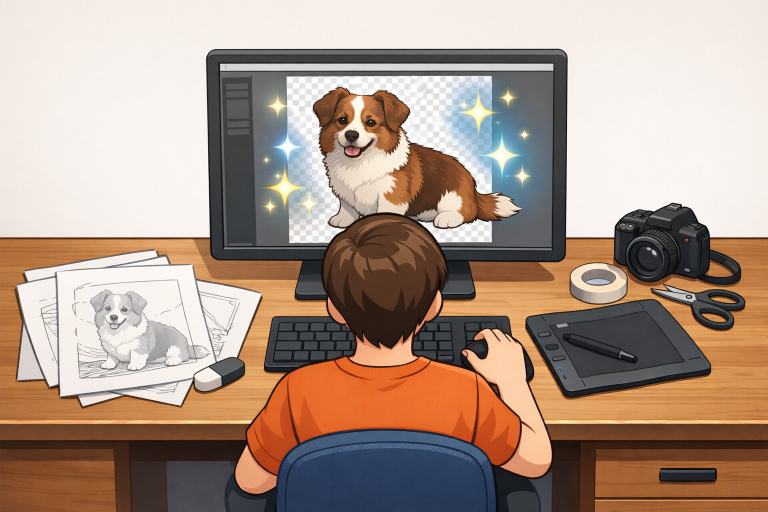
Removing image backgrounds used to be a painstaking process, requiring careful selection tools or layer masks. AI has transformed this step by instantly analyzing visual content, separating subjects from backgrounds, and delivering clean, ready-to-use images. This evolution not only helps novices but also frees seasoned designers to focus on higher-value creative work. AI-powered background removers adapt to intricate shapes and fine details, resulting in high-quality cutouts even in challenging situations.
Today’s leading image editors often embed background removal inside their platforms, making it a core part of editing workflows for social media, product displays, or design assets. Automated background tools mean faster turnarounds, helping teams keep pace with constantly evolving demands for fresh content. This step is especially valuable in e-commerce, where quality and speed are both essential.
Object Isolation and Unwanted Element Removal
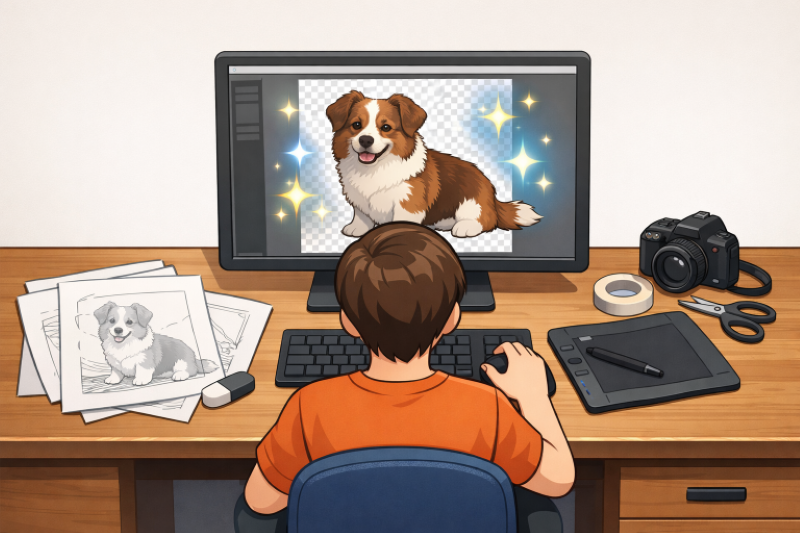
AI technology has progressed beyond simple background erasure. It can now pinpoint specific objects within an image, allowing users to isolate, rearrange, or delete elements with minimal manual intervention. This precision is key for creatives aiming to refine their visuals for advertisements, promotional graphics, or storytelling content. Tools integrated into Figma enable effortless isolation and deletion of items, ensuring professional, distraction-free results. These features give editors more control over composition and help maintain visual consistency across different projects. For additional insights into how designers benefit from these tools, you can refer to coverage from Wired.
Enhancing Creative Workflows with AI Design Tools
Modern design platforms are incorporating AI not just for editing, but for the entire creative process. For instance, Canva’s Magic Layers leverages AI to divide an uploaded image into individual, fully editable layers. This enables creators to manipulate backgrounds, objects, and text separately, supporting fast revisions and unlimited creative iterations. Such AI-powered features facilitate experimentation while reducing the time and effort needed to achieve a polished result. Creative teams can now rapidly produce visual campaigns, test variations, and respond to feedback with unprecedented agility.
AI-Powered Text-to-Image Generation
One of the latest advancements is the generation of images from text descriptions, often called text-to-image generation. By inputting a prompt, users can produce custom visuals tailored to their specific needs, sparking new avenues for brainstorming and concept exploration. This tool opens up design to non-specialists and offers experienced artists new inspiration and starting points. The ability to instantly visualize ideas based on simple textual prompts is transforming the way businesses and creators conceptualize marketing, editorial, or branding visuals, as highlighted in technological reviews from Wired.
Transforming E-Commerce Image Creation
E-commerce platforms like Shopify are leveraging AI to help merchants rapidly create high-quality product images. These platforms often offer built-in editing features powered by machine learning, automating tasks such as cropping, sharpening, and color correction, as well as background and object management. Merchants benefit from a consistent visual style, which helps build consumer trust and supports branding across multiple channels. With AI, even small businesses can maintain a professional presence without relying on dedicated in-house design teams.
Balancing AI Automation with Human Creativity
AI delivers efficiency and consistency, but the human touch remains irreplaceable for strategic vision and emotional resonance. The challenge for marketers and creators is to harness AI’s strengths, speed, precision, and scalability, while ensuring the final content reflects authentic brand values and connects with viewers. By treating AI as an assistant that handles technical and repetitive jobs, creative professionals gain more room to innovate, tell stories, and develop deeper audience engagement.
Conclusion
AI is redefining the way visuals are created, lowering barriers to high-quality image production and empowering a wider range of users to achieve professional results. Automation of routine tasks lets creators focus on creativity and impact, while platforms continue to innovate with new tools to meet evolving demands. Embracing AI-driven solutions allows businesses and individuals alike to produce more compelling, timely, and effective content in an ever-competitive digital environment.
You may also like: 3 Best Photo Editing Programs for Business