Click here to get this post in PDF
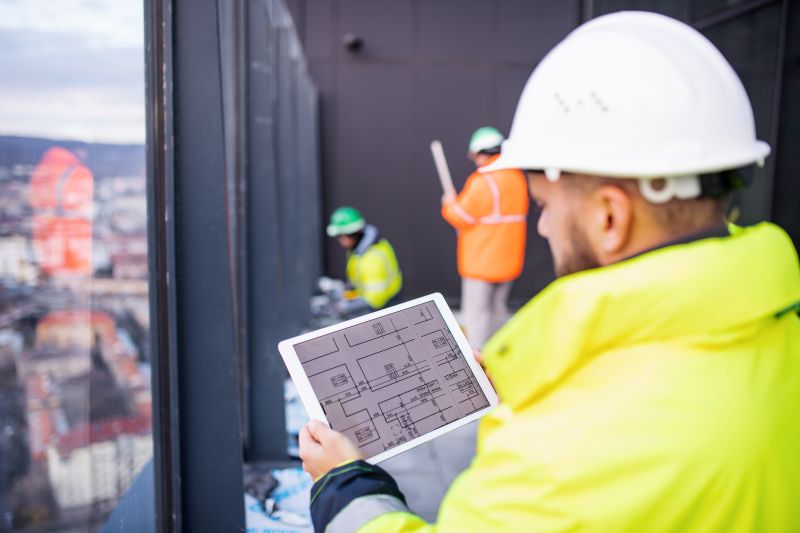
Time influences profitability in construction. Developers want buildings ready sooner, businesses need facilities operational faster, and contractors face pressure to meet demanding deadlines. Accelerated delivery can shorten the path to occupancy, but it also introduces complications that extend beyond the jobsite.
Compressed schedules can strain budgets, disrupt coordination, and increase operational risks. For construction business owners and project managers, understanding the hidden challenges of accelerated construction is essential before committing to a faster delivery plan.
Why Faster Construction Is More Complex
Traditional projects generally follow a sequence: finalize designs, order materials, prepare the site, and complete major phases in order. Fast-track projects overlap some of these activities.
Crews may begin work while design details remain unclear. Procurement can continue as installation starts, and multiple trades may operate in adjoining spaces.
This approach has real commercial value. A manufacturer might begin production sooner, while a property developer could start collecting rent earlier. Yet the benefits depend on maintaining control when several activities unfold at once.
A delay that would affect one task on a conventional project can disrupt multiple crews on an accelerated schedule.
Coordination Problems Multiply
Crowded Work Areas Reduce Productivity
Electricians, mechanical contractors, and finishers may need access to the same space. Their schedules might appear compatible on paper, but equipment, deliveries, and restricted zones can interfere with one another.
A crew waiting for access still generates costs. When that delay affects subsequent tasks, the disruption spreads.
Project managers should coordinate work areas as carefully as dates. Short-term scheduling reviews can identify conflicts before crews arrive, while clear responsibilities help supervisors resolve them quickly.
Communication Errors Become Costly
Communication is a hidden challenge of accelerated construction because tight timelines leave less room to correct misunderstandings. A design revision that reaches one subcontractor but not another can result in installations that no longer meet project requirements.
Rework wastes materials and labor. It can also jeopardize downstream commitments.
Central project documentation and prompt change notifications help contractors work from the same information. Managers should confirm that teams understand revisions rather than assuming that distributing a document completes the communication process.
Workforce Safety Requires Constant Attention
Changing Conditions Create New Hazards
Active construction sites change throughout the day. Under accelerated schedules, overlapping operations can make those changes more difficult to manage.
Deliveries may block pedestrian routes. A lifting operation could restrict access to another crew’s work zone. Contractors might recognize hazards within their own tasks without realizing how their activities affect nearby workers.
For projects with simultaneous trades, sufficient onsite safety coverage is an operational consideration, not merely an administrative one. Guidance on safety staffing for fast-track construction projects provides additional context on coordinating oversight during compressed schedules.
Managers should account for safety personnel and site coordination during early planning, especially when work locations and contractor schedules change rapidly.
Extended Shifts Have Limits
Overtime and weekend work can increase available working hours, but productivity does not rise in direct proportion. Fatigue can impair concentration, particularly during physically demanding work.
Longer shifts also place additional demands on supervisors responsible for coordinating personnel and monitoring conditions.
Before extending hours repeatedly, contractors should compare the costs and practical benefits of adding staff, revising shifts, or adjusting the work sequence.
Faster Delivery Can Increase Costs
Schedule Savings Are Not Budget Savings
Finishing early may reduce some financing or overhead expenses. However, acceleration can introduce overtime premiums, expedited shipping charges, and additional equipment rentals.
These costs can erode the financial value of earlier completion.
For example, a contractor might gain several weeks on the schedule but spend the expected savings on extra crews and urgent deliveries. A shorter timeline alone does not establish that the project is more profitable.
Contingency Planning Matters More
Unexpected conditions become expensive when there is little time to explore alternatives.
If essential equipment arrives late, a project manager may need to source a replacement at a higher price. A missing component can also leave multiple trades waiting.
Contingency budgets should reflect these possibilities. Financial forecasts must show what happens if key deliveries slip, labor requirements rise, or design changes trigger rework.
Quality Control Must Keep Pace
Rushed Inspections Create Rework
Pressure to move quickly can tempt teams to proceed before completing required checks. Yet a defect discovered before the next phase may be straightforward to correct; the same problem becomes more expensive after other components conceal it.
Inspection checkpoints should remain part of the approved schedule rather than becoming optional when deadlines tighten.
Managers can also reduce avoidable rework by ensuring crews have current drawings and clear acceptance criteria before installation begins.
Unfinished Designs Increase Uncertainty
Fast-track delivery may require construction to begin before every design decision is final. That overlap can save time, but later changes may affect completed work.
A revised mechanical specification, for instance, could alter electrical requirements or equipment clearances.
Project leaders should identify decisions that they must settle before proceeding with certain installations. Freezing critical details at the right points can preserve flexibility elsewhere without exposing crews to unnecessary rework.
Supply Chains Offer Less Flexibility
Long-Lead Items Can Control the Schedule
Special equipment and custom components may require manufacturing periods that a contractor cannot shorten simply because they want an earlier completion date.
Procurement teams should identify critical items during planning, confirm supplier lead times, and align delivery dates with installation readiness.
When practical, evaluating approved alternatives in advance gives the project team more options if supply conditions change.
One Missing Delivery Can Delay Several Crews
A late structural component can postpone work that depends on its installation. The resulting schedule changes may affect subcontractor availability and create additional costs.
Tracking purchase orders is not enough. Managers need timely confirmation of production status, shipment progress, and delivery constraints so they can respond before materials become an immediate bottleneck.
How Business Owners Can Reduce the Risks
Build Schedules Around Dependencies
Not every activity can overlap safely or efficiently. Project managers should distinguish between tasks that can proceed in parallel and tasks that depend on completed work.
Clear decision-making authority also matters. When conflicts emerge, contractors must know who can approve a schedule adjustment or resolve competing site requirements.
Monitor Leading Indicators
Completion percentages show progress but may hide emerging problems. Labor productivity, unresolved design questions, procurement delays, and outstanding inspections offer earlier warning signs.
Regular cost reviews can reveal whether acceleration expenses are outpacing the benefits of early delivery.
Preserve Room to Adjust
An accelerated schedule still needs practical flexibility. Alternative work sequences, realistic contingency allowances, and early communication with subcontractors can reduce the effect of unexpected setbacks.
The strongest plan is not necessarily the shortest one. It is the schedule the team can deliver without sacrificing financial control, workmanship, or worker safety.
Speed Should Support Business Success
Accelerated construction can create meaningful commercial advantages when businesses need earlier occupancy or faster project delivery. Yet pressure to finish sooner can magnify coordination challenges, increase spending, and expose weaknesses in oversight.
Construction leaders should treat acceleration as a business decision rather than a simple scheduling exercise. By evaluating trade-offs in advance and monitoring conditions throughout the project, they can pursue faster completion while protecting the quality and profitability of the work.
Also read: Easily Overlooked Factors That Actually Keep Construction Projects Running on Time
Image source: elements.envato.com