Click here to get this post in PDF
Key Takeaways
- Innovative digital solutions are essential for enhancing brand visibility in today’s competitive market.
- Utilizing AI-powered advertising platforms can significantly boost brand recall and awareness.
- Integrating digital signage and immersive in-store experiences can transform customer engagement.
- Leveraging data analytics and AI can optimize marketing strategies and improve customer targeting.
Introduction
In a crowded digital marketplace, brands must find creative ways to stand out and maintain visibility. Modern consumers are exposed to a barrage of advertisements and messages daily, so a strong digital presence is more important than ever. Innovative strategies not only help brands differentiate themselves but also build long-term connections with their audiences. Leveraging the expertise of a Naperville digital marketing agency is an effective way to craft tailored strategies that ensure sustained brand growth and recognition. Advanced digital tools, powered by artificial intelligence and immersive technologies, are essential for companies aiming to capture attention and foster strong brand recognition. These solutions are designed to cut through the noise, deliver personalized experiences, and create memorable interactions between brands and consumers.
AI-Powered Advertising Platforms
AI-driven advertising platforms have transformed traditional marketing approaches. These platforms use consumer data, machine learning algorithms, and real-time analytics to optimize ad placement and creative delivery. A strong example comes from Fossil’s partnership with InMobi; this collaboration led to a substantial 57% increase in brand recall and a 10% lift in brand awareness throughout their spring campaign. AI’s ability to segment audiences, predict behaviors, and automate bidding strategies makes advertising more precise and cost-effective. Brands that harness AI in their advertising see tangible results in terms of consumer engagement and message retention. Dynamic, data-driven digital campaigns not only capture attention but also allow brands to adjust messaging for different segments, ensuring that the right people see the most relevant ads. Through ongoing learning, AI-powered solutions continuously refine targeting strategies, helping brands achieve better campaign outcomes with less manual effort.
Immersive In-Store Experiences
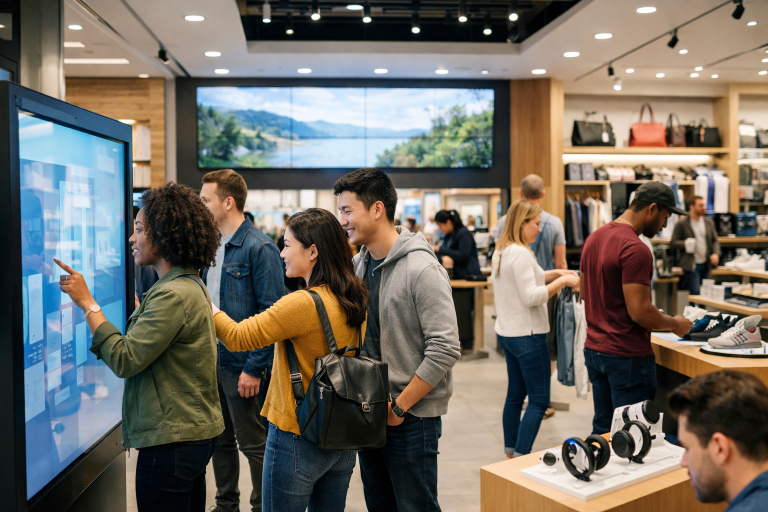
Physical retail remains a vital touchpoint for brands, but today’s shoppers expect digital-like convenience and personalization inside stores. Innovations such as digital signage and immersive aisles are reinventing what it means to shop in person. Brands now deploy large, interactive screens and personalized displays to engage consumers while providing valuable, real-time product information. According to C-Store Dive, these out-of-the-box experiences not only increase shopper engagement but also generate detailed insights on customer journeys and product preferences. Immersive retail experiences also help bridge online and offline brand interactions, reinforcing consistent messaging and encouraging a seamless transition between digital content and physical purchase. By making in-store environments more interactive, brands can strengthen loyalty and boost conversion rates.
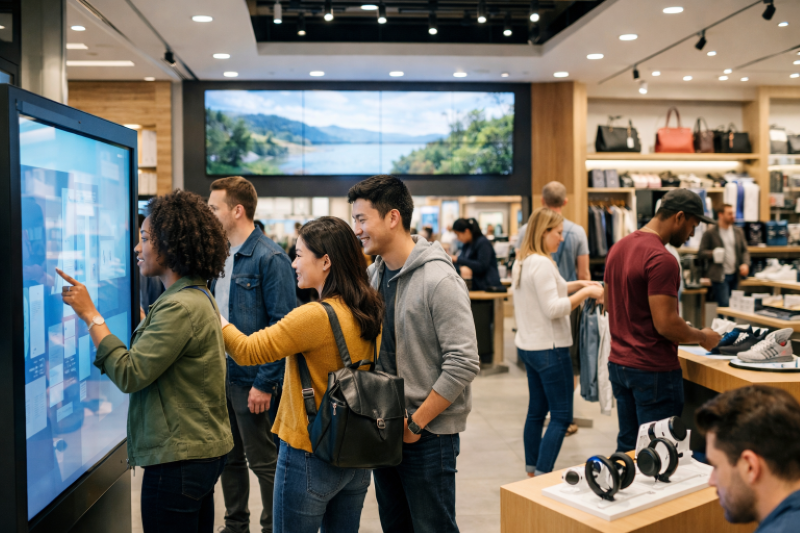
Another emerging technology in physical retail is the integration of augmented reality (AR) and virtual reality (VR) solutions, creating newly interactive spaces. These technologies allow customers to try on products virtually, visualize items in their environments, or engage with branded games and experiences that deepen their relationship with the brand. Retailers that innovate in-store not only gain immediate attention but also often see a ripple effect on their online platforms, as consumers share these unique moments through social media and word of mouth. In turn, brands can benefit from organic amplification and additional touchpoints with their target audience. For example, several global brands have adopted AR-enabled mirrors, allowing customers to preview outfits or makeup choices without physically trying on products, streamlining the process and collecting relevant data. This level of personalization in-store sets a new standard for convenience and engagement, blending the best of digital and physical experiences. As these innovations become more commonplace, brands that invest early in immersive technology position themselves as market leaders.
Data Analytics and AI Integration
Combining cutting-edge data analytics with AI tools provides brands with unprecedented insights into consumer behavior. By analyzing browsing patterns, purchase histories, and engagement metrics, companies can create highly tailored marketing campaigns. AI speeds up the processing of vast data sets, uncovering patterns that manual analysis would miss. This empowers marketers to personalize offers, optimize campaign timing, and allocate resources efficiently, all while minimizing waste.
Data-driven strategies ensure that every aspect of the marketing journey is measured and improved. Continuous feedback allows brands to refine messaging, adjust audience segmentation, and pivot campaigns in real time based on performance metrics. As a result, the integration of analytics and AI drives smarter decisions, stronger consumer connections, and ultimately more effective marketing outcomes. Moreover, predictive analytics powered by AI can forecast future consumer behaviors and emerging trends by processing real-time market signals. Brands can stay ahead of the curve by anticipating changes in demand or consumer sentiment, enabling rapid campaign launches or adjustments to offerings. This proactive approach not only minimizes missed opportunities but also supports agile, growth-focused business models. The cumulative insights gathered through analytics play a crucial role in long-term planning, making marketing strategies more adaptive and resilient in a fast-changing environment.
Case Study: Adobe’s Brand Visibility Solution
Adobe’s recent launch of a comprehensive brand visibility solution demonstrates the evolving role of AI in marketing. This platform is designed to help brands maintain a strong presence across digital and AI-powered discovery surfaces, while also improving direct customer engagement. Adobe’s solution places a premium on content accuracy and contextual messaging, ensuring that audiences receive credible, reliable information no matter how they interact with the brand. This focus on trustworthiness and context builds consumer confidence and helps brands navigate the increasing complexity of digital marketing. By orchestrating customer experiences with personalization and transparency, Adobe’s solution sets a blueprint for brands looking to stand out in a rapidly evolving landscape.
Conclusion
Adopting cutting-edge digital solutions is essential for brands that want to stay visible in today’s saturated market. From AI-powered advertising to immersive retail environments and advanced analytics, these tools are redefining how companies connect with customers and differentiate themselves. Brands that embrace innovation not only capture consumer attention but also build trust, foster loyalty, and achieve lasting growth. Investing in these strategies ensures brands remain relevant and memorable, now and in the future. Staying at the forefront of marketing innovation requires a commitment to continuous learning and adaptation. As new technologies and channels emerge, the most successful brands will be those that are willing to test, measure, and iterate their digital strategies. Whether employing AI for smarter advertising or transforming in-store shopping with immersive solutions, brands must prioritize relevance and authenticity. Ultimately, the willingness to experiment, analyze results, and swiftly pivot in response to data-driven insights will distinguish leading brands in an ever-evolving marketplace. With an emphasis on strategic integration and genuine consumer engagement, these innovative digital solutions serve as the cornerstone for long-term brand success.
You may also like: Comprehensive Brand Visibility: From Physical Signage to Digital SEO