Click here to get this post in PDF
Table of Contents
- Key Takeaways
- 1. What Makes Florida Driving Different?
- 2. Which Vehicle Type Fits Your Routine?
- 3. Gas, Hybrid, Or Electric?
- 4. Safety Features Worth Considering
- 5. How To Build A Realistic Vehicle Budget
- 6. How To Get More From A Test Drive
- 7. Florida Vehicle Maintenance Checklist
- 8. Smart Checks For Used Vehicles
- 9. Final Thoughts
Key Takeaways
- The right vehicle should fit daily driving habits, passenger needs, and realistic ownership costs.
- Florida heat, rain, highway travel, and outdoor activities can affect the best choice.
- Comfort, cargo space, safety technology, and powertrain type all deserve a close look.
- Regular attention to tires, air conditioning, batteries, fluids, and wipers helps prevent avoidable trouble.
Choosing a vehicle in Florida involves more than comparing colors, screens, and monthly payments. The best fit should handle the commute, weekend errands, family trips, sudden rainstorms, and hot afternoons with equal confidence. Drivers who want to explore options and ownership considerations can learn more before narrowing their search.
A practical decision begins with an honest look at how a vehicle will be used most days. A compact commuter car may be ideal for one household, while another may need flexible cargo space, three rows, towing capability, or dependable home charging for an electric vehicle.
1. What Makes Florida Driving Different?
Florida driving often means intense sun, high temperatures, heavy downpours, standing water, crowded highways, toll roads, and long drives between destinations. Heat places extra demand on air conditioning, batteries, tires, belts, and hoses. Rain can quickly reduce visibility and traction, so tread depth, tire pressure, and working wipers are essential. Reviewing how tire condition affects wet-road traction and heat resistance can help drivers make safer maintenance decisions.
Consider where the vehicle will go beyond the daily commute. Beach gear, golf clubs, strollers, pet carriers, work tools, kayaks, and road-trip luggage can make cargo access and washable interior materials more valuable than a longer feature list.
2. Which Vehicle Type Fits Your Routine?
Compact Cars And Sedans
Compact cars are easy to park, usually efficient, and well-suited to solo commuters or couples with limited cargo needs. Sedans add a more spacious trunk and often provide a smooth, stable highway ride. Both can be sensible choices for drivers who value lower purchase, fuel, and tire costs.
SUVs And Crossovers
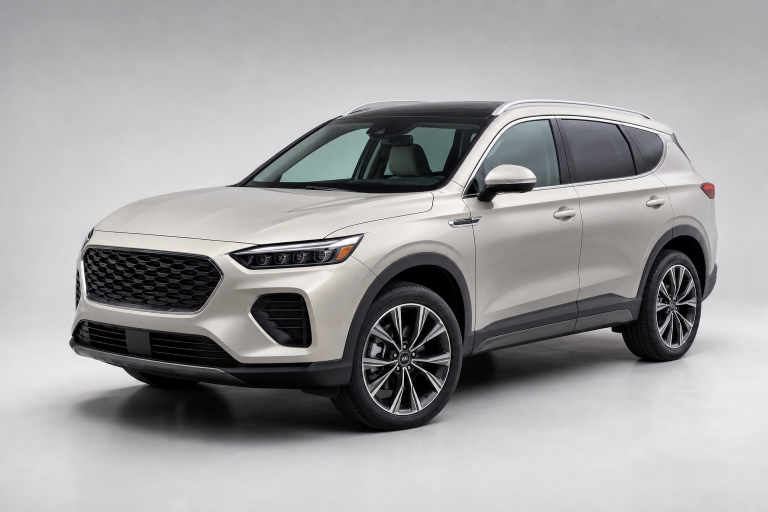
Crossovers and SUVs offer a higher seating position, flexible cargo space, and room for families, pets, and recreational equipment. A two-row model is often enough for smaller households, while a three-row vehicle can help when extra passengers are a regular part of the routine. Check third-row comfort rather than assuming it works for adults.
Pickup Trucks And Vans
Trucks and vans can be excellent tools for hauling equipment, carrying large groups, or towing trailers. However, buyers should confirm payload, towing, and hitch ratings for the exact configuration. Larger vehicles may also bring higher fuel, insurance, parking, and maintenance expenses.
3. Gas, Hybrid, Or Electric?
Gasoline vehicles remain convenient for drivers who frequently take long trips or want quick access to fueling almost anywhere. Hybrids can reduce fuel use, particularly in stop-and-go traffic, without requiring a change in routine. Plug-in hybrids provide some electric-only driving while retaining gasoline backup. Fully electric vehicles may suit drivers with reliable home charging and predictable daily mileage.
Before choosing a powertrain, ask:
- How many miles do you drive in a typical week?
- Can you charge at home or work consistently?
- How often do you take longer trips?
- Will you tow, haul, or carry heavy loads?
- What will fuel or electricity cost along your usual routes?
4. Safety Features Worth Considering
Modern safety technology can reduce stress during busy daily driving, but it works best with an attentive driver behind the wheel. Useful features include automatic emergency braking, forward collision warning, blind-spot monitoring, rear cross-traffic alert, lane-departure warning, adaptive cruise control, rearview cameras, and parking sensors.
During a test drive, evaluate whether the camera image is clear, whether the warnings are easy to understand, and whether the steering-wheel controls are simple to reach. Strong headlights, clear windshield visibility, and comfortable seating can also make a meaningful difference during rain or nighttime travel.
5. How To Build A Realistic Vehicle Budget
A monthly payment is only one part of ownership. Build a complete budget that includes the vehicle payment, insurance, fuel or charging, registration, taxes, routine service, tires, repairs, tolls, parking, and roadside assistance. Leave room for unexpected costs instead of spending every available dollar on the purchase itself.
Questions To Ask Before Signing
- What is the total purchase price, including all fees?
- What interest rate and loan term apply?
- How much will the vehicle cost over the full loan?
- What warranty coverage is included?
- How does a trade-in change the final amount?
6. How To Get More From A Test Drive
A useful test drive should resemble normal life, not a short loop around a parking lot. Listen for unusual sounds at startup, test acceleration and braking in safe conditions, and merge onto a faster road when possible. Adjust the seat, mirrors, steering wheel, climate settings, and infotainment controls. Bring a car seat, golf bag, stroller, or other frequently carried item to verify that the space truly works.
7. Florida Vehicle Maintenance Checklist
Warm weather and frequent rain make preventive maintenance especially important. Use a monthly routine to inspect tire pressure and tread, washer fluid, exterior lights, and wiper blades. Check tires when cold, and look for cracks, bulges, or uneven wear. Before the hottest months, test the air conditioning, battery, coolant level, belts, hoses, and charging system.
A thorough pre-trip inspection for hot-weather driving should also include checking for open recalls by vehicle identification number. Addressing a warning light, weak battery, worn tire, or streaking wiper early is typically easier than dealing with a breakdown during a summer storm.
8. Smart Checks For Used Vehicles
Used vehicles can offer value, but they require careful evaluation. Review the vehicle history report, confirm mileage, inspect tires and brakes, and look closely for water damage, rust, mismatched body panels, unusual odors, or cloudy lights. Test every major feature, especially the air conditioning, windows, cameras, and charging ports, where applicable. Ask for maintenance records and arrange an independent inspection before committing.
9. Final Thoughts
The right Florida vehicle is the one that supports everyday life without stretching the budget or creating unnecessary hassle. Match the size, powertrain, comfort, safety equipment, and maintenance demands to real driving habits. A thoughtful purchase and a consistent care routine can help keep the vehicle comfortable, capable, and dependable for years to come.
You may also like: New Car Buying Trends in 2026: What You Need to Know