Click here to get this post in PDF
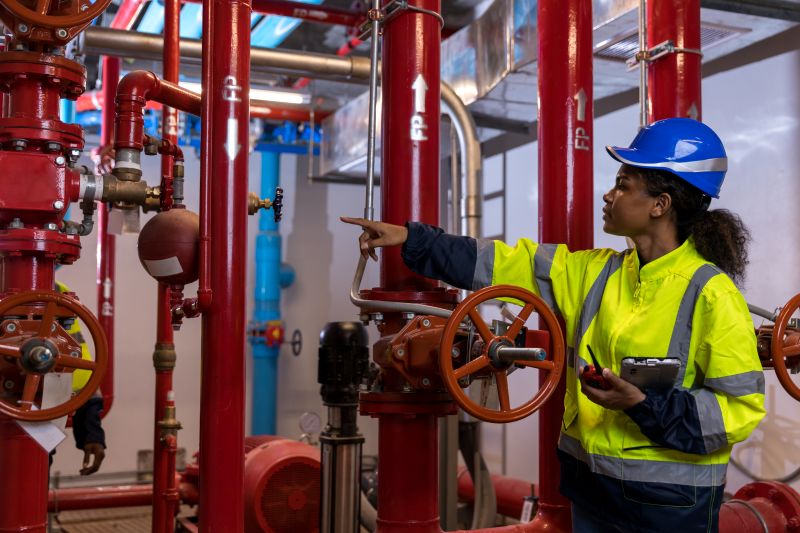
A fire sprinkler system is one of the most reliable safety features you can have in your workplace. It works silently in the background, ready to respond the moment heat from a fire reaches a critical level. But like any safety system, it must be checked regularly to ensure that it performs correctly when needed. Many business owners assume their sprinkler system will simply work, but minor faults can build up over time—faults you may only discover during an emergency.
This is why developing a clear, practical checklist for fire sprinkler testing makes such a difference. It helps you stay organised, ensures nothing important is overlooked, and gives you confidence that your system is ready to respond.
Below is a complete checklist designed for everyday business owners. It avoids technical jargon and instead focuses on simple, routine actions that help you maintain a safe living environment.
Why a Checklist Matters
Using a checklist ensures consistency. It prevents you from forgetting essential tasks, especially those that aren’t carried out often. It also helps you notice changes—such as leaks, blockages, or unusual noises—that you might not spot otherwise.
A good checklist is simple, repeatable, and easy to follow. You can complete most tasks using visual checks and general observations. The goal is to stay informed about the system’s condition so that issues don’t go unnoticed.
1. Start with a General Visual Inspection
Your first step in routine fire sprinkler testing is a careful look at the overall system. This doesn’t require technical knowledge; it’s simply about noticing anything that seems out of place.
What to Look For:
- Dust, cobwebs, or debris on or around sprinkler heads
- Paint marks covering the sprinkler head or its components
- Signs of leakage, moisture, or water stains near pipes
- Corrosion or rust on visible parts of the system
- Bent, damaged, or misaligned sprinkler heads.
- Anything hanging from or touching a sprinkler head.
Sprinkler heads should always be clean, unobstructed, and free to activate without delay. Even a small blockage can disrupt water flow, reducing the system’s overall effectiveness.
2. Check for Obstructions Around Sprinkler Heads
One of the simplest but most common issues is blocked sprinkler coverage. Many business owners unknowingly place tall furniture, hanging decorations, or shelving in front of sprinkler heads, preventing water from reaching the room evenly.
Make Sure To:
- Keep a clear area around each sprinkler head
- Avoid placing tall wardrobes or bookcases beneath ceiling sprinklers.
- Ensure ceiling fixtures do not interfere with the spray pattern.
- Reconsider placing plants, lights, or decorative items too close together.
Maintaining space around sprinkler heads ensures proper water distribution if the system activates.
3. Inspect Valves and Accessible Controls
Every fire sprinkler system relies on water supply valves. If a valve is mistakenly closed or partially turned, the system may not activate properly. This can happen after property maintenance, plumbing work, or renovations.
Your Checklist Should Include:
- Confirming that the valve supplying water to the sprinkler system is fully open
- Checking for signs of tampering or accidental closure
- Ensuring no unusual noises suggest pressure issues.
Although you should not adjust anything beyond what you understand, being aware of the valve’s position helps prevent avoidable failures.
4. Look for Leaks and Excess Moisture
A small leak might seem harmless at first, but over time, it weakens water pressure and can damage flooring or ceilings. It may also indicate corrosion within the pipes.
Check Regularly For:
- Damp spots around pipes
- Water stains on ceilings or walls
- Dripping joints
- Moisture where it should not be
If you notice anything unusual, it’s important not to ignore it. Early detection prevents bigger issues later.
5. Review Temperature Conditions Around the System
Fire sprinkler systems rely on stable temperatures. Extreme cold can cause pipes to freeze and burst, while excessive heat may interfere with sprinkler operation.
For Safe Performance:
- Make sure loft spaces, garages, or storage rooms containing pipework do not fall below freezing
- Avoid installing heat-producing appliances too close to sprinkler heads.
- Ensure attic insulation supports stable conditions.
Keeping the temperature consistent helps preserve the system’s integrity.
6. Test Alarms and Indicators (If Your System Includes Them)
While not all domestic systems include alarms or control panels, some modern installations feature fundamental indicators. These help you notice pressure changes, valve issues, or system faults.
Include in Your Checklist:
- Observing any warning lights
- Listening for unusual beeps or signals
- Checking that accessible indicators show standard settings.
This simple habit helps you stay ahead of developing problems.
7. Conduct an Annual Professional Inspection
Although many parts of the checklist involve basic household checks, a yearly professional assessment remains essential. It provides an in-depth examination that goes beyond what a visual inspection can achieve.
An annual test includes:
- Pressure checks
- Internal valve inspection
- Examination of sprinkler head mechanisms
- Verifying water flow
- Identifying wear or corrosion that is not visible externally
Routine household checks and an annual inspection work together to maintain long-term reliability.
8. Add Post-Renovation Checks to Your Routine
Any significant workplace change should trigger an extra inspection. Whether you’ve added a new room, remodelled the kitchen, or changed your ceiling layout, these alterations could affect the sprinkler system.
After Renovations, Check That:
- Sprinkler coverage remains unobstructed
- Ceiling height changes do not affect sprinkler range.
- New fittings are not installed too close to sprinkler heads.
- Internal work has not disrupted water pipes.
Whenever the layout changes, confirm that safety coverage still meets your needs.
9. Watch for Signs of Wear Over Time
Even if everything looks fine during the year, systems naturally age. Components exposed to moisture or temperature fluctuations may degrade over time.
Include These Long-Term Monitoring Habits:
- Look for rust spots developing slowly over months
- Observe sprinkler heads for discolouration.
- Monitor intermittent noises, such as rattling or ticking, in the pipes.
- Check for sagging in the ceiling around pipework.
By observing gradual changes, you can address small issues before they become costly or dangerous.
10. Keep a Simple Workplace Log
Maintaining a small record of your checks helps you stay consistent. It doesn’t need to be complicated—just a note of what you inspected and when.
Your Log Can Include:
- Date of each visual check
- Notes on changes or concerns
- Dates of annual inspections
- Any repairs carried out
- Observations about system behaviour
A log helps you track patterns and gives you a clear timeline of maintenance activities.
Final Thoughts
Fire protection is not something to put off or overlook. Your sprinkler system is designed to act quickly in an emergency, but its reliability depends on regular attention. With a simple checklist in place, you can make sure your business is always prepared.
Routine visual checks, awareness of potential obstructions, monitoring valves, controlling temperature conditions, and scheduling annual assessments all contribute to a dependable system. When combined with careful observation and steady maintenance, fire sprinkler testing becomes an easy, structured part of maintaining workplace safety.
Creating the habit of regularly checking your system ensures your workplace remains safe, your employees stay protected, and your fire sprinkler system performs as intended.
Also read: How Fire Safety Training Can Help Employees at Work
Image source: elements.envato.com