Click here to get this post in PDF
The Strategic Intersection of Workforce Management and Branding
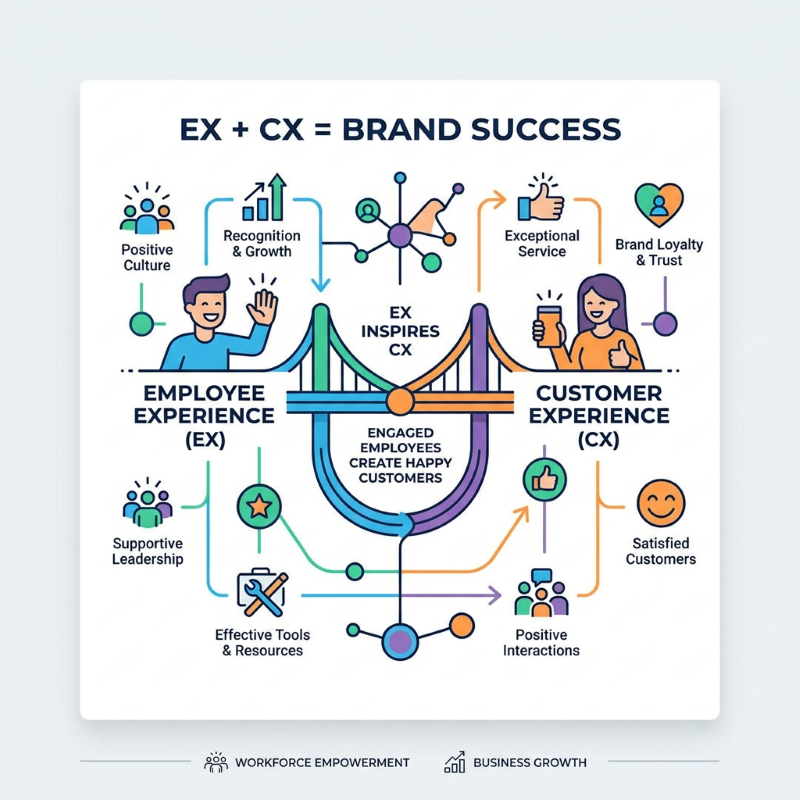
think of a brand as something external. It’s in our logos and marketing. But the real strength of any company’s brand comes from within. It starts with our people. How we manage and support our workforce directly shapes our corporate reputation. This impacts our ability to attract top talent and engage customers.
This internal experience, or employer branding, is now vital for business success. Engaged employees become our most powerful brand promoters. Their voice is credible and far-reaching.
In this extensive guide, we will explore this crucial link. We’ll show why strategic workforce management is key to building an authentic corporate brand. We will cover everything from employee engagement to using data and AI. Our extensive experience, spanning over 30 years workforce management, has consistently shown us this vital connection. We will help you understand how to transform your workforce into your greatest brand asset.
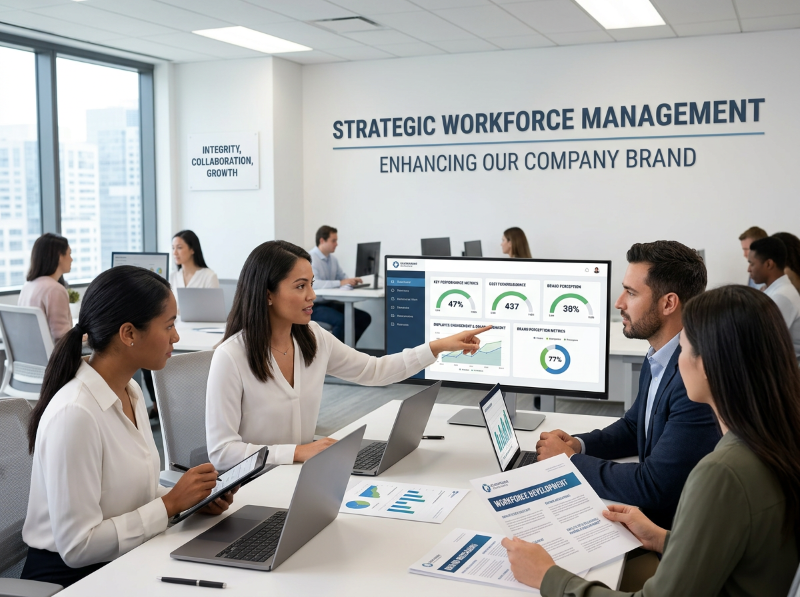
The modern business landscape demands more than just a compelling product or service; it requires an authentic brand identity that resonates with both customers and employees. This is where workforce management and branding converge, forming a strategic intersection critical for sustained success. Employer branding, in essence, is the reputation an organization holds as an employer. It’s about how current, past, and potential employees perceive the company as a place to work. This perception is no longer confined to internal discussions; it’s amplified across digital platforms, making authenticity paramount.
Why is this so crucial today? Consider the sheer volume of information available to job seekers. A significant 86% of employees and job seekers actively research company reviews and ratings before deciding where to apply for a job. This means that a negative reputation isn’t just a minor setback; it can directly impact an organization’s bottom line, potentially costing a company as much as 10% more per hire. The financial implications alone underscore the necessity of a robust and positive employer brand.
Moreover, consumers are increasingly discerning. A Stackla report indicated that 86% of consumers prioritize authenticity when choosing which brands to support. This extends beyond product quality to how a company treats its people. If a brand’s external messaging about its values doesn’t align with the lived experience of its employees, it risks being ‘called out’ for inauthentic claims. This is particularly potent because the employee voice carries immense weight. Research shows that an employee’s perspective on working conditions is three times more credible than that of the CEO. This makes engaged employees the most powerful, and often overlooked, brand promoters a company can have.
Conversely, disengaged employees or those with negative experiences can become significant reputational liabilities. Their online reviews, social media posts, and word-of-mouth can quickly erode trust and deter both talent and customers. The financial and reputational risks of poor employee engagement are substantial, ranging from increased recruitment costs and higher turnover rates to damaged customer loyalty and reduced market share.
Effective workforce management plays a pivotal role in shaping this employer brand. It’s about creating an environment where employees feel valued, supported, and empowered. This involves clear communication, fair policies, opportunities for growth, and a culture of trust. When employees feel genuinely cared for, they become authentic advocates, sharing their positive experiences and reinforcing the company’s brand identity. This internal alignment between employee experience and external brand promise is the bedrock of a truly successful and resilient organization. Our commitment to comprehensive workforce management solutions helps organizations build this internal strength.
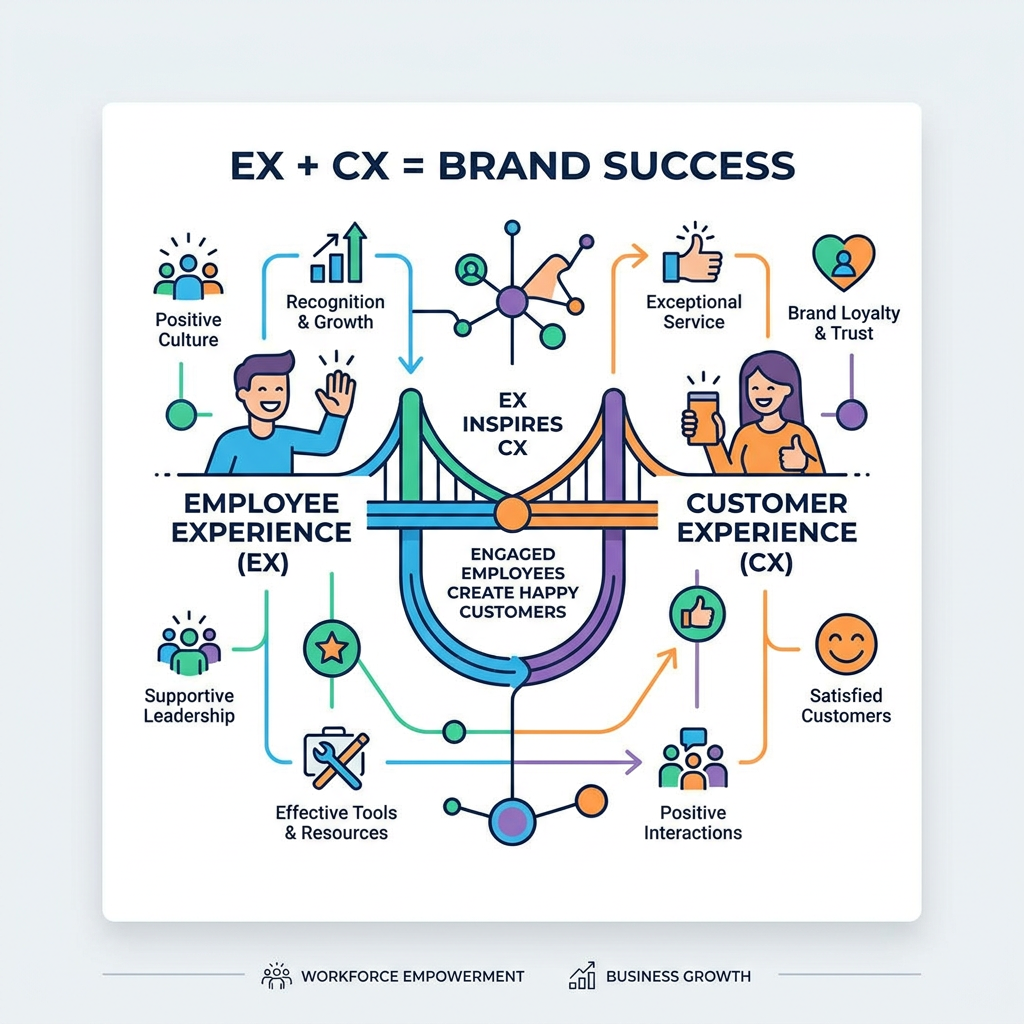
Internal Culture External Brand Perception Employee Engagement Reputation on Review Sites Fair Policies & Practices Talent Attraction Growth Opportunities Customer Trust & Loyalty Leadership Support Public Image Authentic Values Market Competitiveness
Leveraging Analytics and AI for Brand Consistency
In today’s data-rich environment, optimizing our workforce to consistently deliver on brand promises requires more than intuition; it demands robust workforce analytics and people insights. These tools provide the intelligence needed to understand employee experiences, predict future needs, and proactively shape a positive employer brand.
Workforce analytics allows us to delve deep into various aspects of employee life cycles, from recruitment and onboarding to performance and retention. By analyzing data on employee satisfaction, engagement levels, and turnover rates, we can identify pain points and areas for improvement. For instance, understanding the root causes of attrition can inform targeted interventions that enhance the employee experience, strengthening the employer brand. This data-driven approach ensures that our branding efforts are not just aspirational but are grounded in the actual experiences of our people.
The integration of Artificial Intelligence (AI) further transforms workforce management. AI can automate routine administrative tasks, freeing up HR professionals to focus on strategic initiatives that directly impact employee well-being and brand perception. More importantly, AI offers predictive analytics capabilities, allowing us to anticipate workforce needs, identify potential skill gaps, and forecast staffing requirements. This proactive approach minimizes disruptions, ensures operational efficiency, and helps maintain a consistent service delivery that aligns with our brand’s promise.
AI also plays a crucial role in enhancing the employee experience itself. For frontline employees, the use of AI tools has shown a significant impact on well-being, with those utilizing AI reporting a 41% lower burnout rate compared to 54% for those not using AI. This demonstrates how technology, when thoughtfully implemented, can empower employees, reduce stress, and contribute to a more positive work environment—all factors that bolster the employer brand.
Human-centered design and agile methodologies are integral to this transformation. Human-centered design ensures that new systems and processes are built with the employee experience at their core, leading to solutions that are intuitive, engaging, and genuinely beneficial. Agile methodologies allow organizations to adapt swiftly to dynamic workforce conditions, promoting flexibility and continuous improvement in HR practices.
The synergy of these elements contributes to building high-trust companies, which consistently outperform their peers. Studies have shown that high-trust companies generate 8.5 times more revenue per employee than the U.S. market average. Furthermore, companies recognized as “Great Places to Work” have seen cumulative stock market returns 3.5 times higher over 27 years compared to the top 1,000 U.S. companies by market cap. These statistics powerfully illustrate the direct link between a positive internal culture, fostered by advanced workforce management, and superior business outcomes.
Workforce operating platforms, like those offered by leading providers, unify HR, pay, and workforce management functions, providing a single source of truth for people data. This holistic view enables organizations to make smarter decisions in hiring, training, scheduling, and payroll, all of which contribute to a seamless and positive employee experience, reinforcing the brand from within.
Managing Distributed Teams and Multi-Location Identity
In an era of increasingly distributed and global workforces, maintaining a consistent brand identity across multiple locations presents a unique set of challenges. Whether dealing with remote workers, satellite offices, or a vast franchise network, ensuring that every employee experience and customer interaction aligns with the core brand values is paramount. Inconsistent branding can dilute market presence, confuse customers, and undermine employee morale.
The key to success lies in balancing standardized policies with local flexibility. While core brand messaging, values, and operational standards must remain consistent, individual locations or teams may require some autonomy to adapt to local market nuances, cultural differences, or specific operational needs.
Specialized platforms and tools are invaluable in achieving this balance. For instance, solutions designed for distributed workforce management can centralize brand assets, communication templates, and operational guidelines. This ensures that all teams, regardless of their location, have access to the most current and compliant materials. These tools can facilitate:
- Centralized Asset Management: All brand-approved logos, imagery, messaging, and marketing materials are stored in one accessible location. This prevents the use of outdated or off-brand content.
- Locked Templates with Customizable Fields: Field teams can personalize communications or marketing collateral (e.g., local addresses, specific promotions) within pre-approved templates, ensuring brand consistency while allowing for local relevance.
- Automated Campaign Rollout: For marketing initiatives, these platforms can segment campaign kits by region, role, or store configuration, ensuring that each location receives only the relevant materials. Automated routing to vendors for printing or distribution streamlines the process and prevents bottlenecks.
- Real-time Visibility and Compliance Monitoring: Dashboards provide headquarters with insights into campaign adoption, execution status, and adherence to brand guidelines across the network. This allows for quick identification and resolution of inconsistencies.
- Streamlined Communication: Centralized communication platforms ensure that important updates, policy changes, and brand messaging are disseminated uniformly and efficiently to all employees, fostering a shared understanding of the company’s direction and values.
Strategies for Multi-Location Consistency:
- Develop Clear Brand Guidelines: A comprehensive guide detailing visual identity, tone of voice, and messaging principles.
- Implement Centralized Communication Channels: Use platforms that reach all employees with consistent messages.
- Provide Robust Training: Educate local managers and teams on brand values, messaging, and how to apply guidelines.
- Empower Local Managers: Give them the tools and autonomy to adapt global strategies to local contexts while staying within brand parameters.
- Conduct Regular Audits: Periodically review local operations and communications to ensure brand adherence.
By leveraging these strategies and the right technological solutions, organizations can effectively manage their distributed workforces, ensuring that every touchpoint, whether internal or external, reinforces a unified and strong brand identity. This proactive approach safeguards the brand’s integrity and enhances its overall impact.
The Role of Equity, Diversity, and Temporary Staffing in Reputation
The modern workforce is increasingly diverse, and its values are evolving. For companies looking to build a strong, authentic brand, embracing equity, diversity, and inclusion (EDI) is no longer just a moral imperative but a strategic necessity. This is particularly true when considering younger generations: 75% of Gen Z consumers will boycott companies that discriminate. Their expectations for ethical business practices and social responsibility directly influence their purchasing and employment decisions.
Inclusive hiring practices are foundational to building a diverse workforce. This involves removing hidden barriers in recruitment processes, such as outdated degree requirements, and focusing instead on skills-based hiring. It also means ensuring that job postings reach diverse communities and that interview schedules are flexible enough to accommodate various backgrounds. Companies with inclusive cultures are eight times more likely to achieve better business outcomes, highlighting the direct link between diversity and business performance. By actively fostering an environment where differences drive innovation, organizations enhance their internal culture and strengthen their external brand reputation. This commitment to genuine inclusion is a hallmark of white-glove workforce branding.
Beyond permanent staff, temporary staffing plays a surprisingly significant role in both business flexibility and brand reputation. The temporary staffing industry is a massive and growing market, valued at $188.73 billion, projected to grow to $198.17 billion in 2025. Staffing companies hired 12.7 million temporary and contract employees during 2023, with nearly 2.5 million temporary workers employed during an average week. These numbers underscore the strategic importance of temporary talent for scaling operations, filling skill gaps, and managing fluctuating demands.
However, how temporary staff are treated profoundly impacts employer brand. Viewing temporary workers as disposable is a critical mistake. These individuals are often brand ambassadors, interacting with customers and influencing perceptions. Organizations must integrate temporary staff thoughtfully, providing clear onboarding, respectful treatment, and opportunities for engagement. When temporary workers feel valued, they contribute positively to the company’s culture and can become advocates for the brand. Moreover, temporary workers are typically W2 employees of the staffing organization, which provides a structured accountability that protects both the worker and the client company’s reputation. This approach ensures that even contingent workers contribute to a positive employer brand.
Sustainability and Volunteer Time Off (VTO) programs further amplify a company’s brand, especially for purpose-driven talent. Younger generations, in particular, prioritize companies that demonstrate a commitment to social and environmental responsibility. Authentic sustainability initiatives, like reducing paper consumption or investing in community projects, resonate deeply. VTO programs allow employees to contribute to causes they care about, fostering a sense of purpose that extends beyond their daily tasks. This not only boosts employee engagement and retention—mission-driven companies have 30% higher innovation and 40% higher retention—but also showcases the company’s values to the wider world, attracting like-minded talent and customers.
Frequently Asked Questions about Workforce Management and Branding
How does workforce management and branding impact employee retention?
Effective workforce management, when aligned with a strong employer brand, significantly boosts employee retention. A positive employer brand, built on authentic employee experiences, fosters loyalty and reduces turnover. Employees who feel valued, engaged, and connected to a company’s mission are less likely to leave. Strong employer branding can reduce turnover by up to 28%. This is achieved through fair compensation and benefits, clear career development paths, recognition programs, and a supportive company culture. When employees are proud of where they work, they become brand advocates, further strengthening the organization’s reputation. This virtuous cycle ensures that talent is not only attracted but also retained long-term, contributing to institutional knowledge and stability. Moreover, 92% of people trust recommendations from employees over company advertising, highlighting the power of internal advocacy in retention efforts.
What are the first steps to align workforce management and branding?
The initial steps to align workforce management and branding involve a comprehensive assessment and strategic planning. We recommend starting with a thorough brand audit. This includes surveying current employees, supervisors, and even exit interviews, as well as gathering feedback from non-hires to understand perceptions from all angles. Authenticity is key: ensure that the brand messaging reflects the actual employee experience. HR leadership plays a pivotal role here, shaping policies, culture, and communication strategies. Developing an employer branding playbook is crucial, outlining core values, communication guidelines, and employee engagement initiatives. This playbook should also define key performance indicators (KPIs) to track progress and measure effectiveness. The goal is to create a culture strategy where internal practices consistently reinforce external brand promises.
How can companies measure the ROI of their employer brand?
Measuring the Return on Investment (ROI) of an employer brand involves tracking a combination of quantitative and qualitative metrics. Key quantitative metrics include:
- Cost-per-hire: A strong employer brand often leads to lower recruitment costs as more candidates apply directly, reducing reliance on expensive external agencies or advertising.
- Time-to-fill: A positive reputation can shorten the hiring cycle, as desirable candidates are more eager to join.
- Retention rates: Improved employee satisfaction and engagement, driven by a strong employer brand, directly translate into lower turnover.
- Employee Net Promoter Score (eNPS): This measures how likely employees are to recommend their workplace to others, indicating internal advocacy.
- Quality of hire: Assessing the performance and longevity of new hires can indicate whether the employer brand is attracting the right talent.
- Revenue per employee: High-trust companies with strong employer brands often demonstrate superior financial performance. Qualitative metrics include sentiment analysis of online reviews (e.g., Glassdoor), social media engagement with employer brand content, and brand awareness surveys among target talent pools. By consistently monitoring these metrics, companies can demonstrate the tangible impact of their employer branding efforts on business success.
Conclusion
The journey to building a resilient and magnetic corporate brand is inextricably linked to how we manage and value our workforce. We’ve explored how the strategic intersection of workforce management and branding transforms employees from mere resources into powerful brand promoters. Authenticity, fueled by genuine employee experiences, stands as the bedrock of a credible reputation, influencing both talent acquisition and customer loyalty.
Leveraging advanced tools like workforce analytics and AI empowers us to make data-driven decisions, optimize employee well-being, and ensure consistent brand delivery across all touchpoints. For organizations with distributed teams, maintaining a unified identity requires thoughtful strategies that balance standardization with local flexibility, ensuring every location embodies the brand’s core values.
Furthermore, a deep commitment to equity, diversity, and inclusion, coupled with the strategic integration of temporary staffing, not only enhances business flexibility but also amplifies our brand’s appeal to a values-driven talent pool. Our holistic approach to workforce solutions emphasizes these critical aspects.
Internal alignment and authentic storytelling are not just best practices; they are the keys to long-term resilience and sustainable growth. By prioritizing our people, investing in their experience, and empowering them to be our most credible advocates, we build a brand that not only attracts top talent but also inspires unwavering trust and loyalty from customers. This strategic approach to workforce management is the competitive advantage that defines success in the modern era.
Also read: How To Successfully Foster a Positive Company Culture