Click here to get this post in PDF
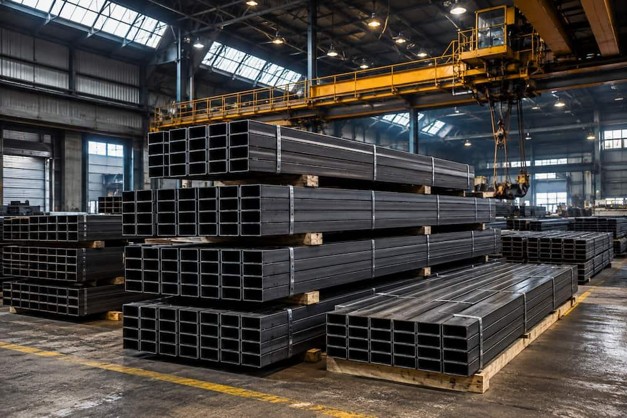
Steel prices are one of the most important factors for buyers because they can directly affect project budgets, procurement decisions, and overall financial planning. But focusing on price alone can cause problems like late deliveries, inconsistent quality, unclear product information, or unexpected supply issues that can increase costs over the course of a project. Because of this, companies should evaluate steel suppliers over the long term rather than looking only at the price of a single order. Being reliable, providing clear information, keeping communication open, and having a steady supply chain are just as important as having a good price.
Why Price Should Not Be the Only Procurement Factor
A low price might look like a great deal at first, but it does not always mean that a business is making the best choice. Product quality, delivery time, stock availability, technical details, payment terms, and supplier support are also important factors to consider. Low prices can sometimes come with poor quality, unreliable delivery, or additional logistics risks. For companies placing repeat or large-volume orders, the supplier’s ability to maintain consistent quality and reliable service over time is particularly important.
In many situations, the real cost of a purchase can be much higher than what is written on the invoice. It may also include transportation costs, project delays, rework, emergency replacements, and disruptions to the project schedule. Together, these factors form the total cost of ownership, which gives buyers a more complete basis for comparing suppliers. This is especially important in construction and industrial projects, where problems with steel supply can affect the overall timeline. So, buyers should look at the value and reliability of each offer instead of making a decision based on the cheapest option.
The Hidden Costs of Choosing the Wrong Steel Supplier
Choosing the wrong steel supplier can cause some hidden costs that are not visible on the quotation. Common hidden costs of choosing the wrong steel supplier include:
- Delayed deliveries that can disrupt the project schedule
- Product specifications that do not match project requirements
- Incorrect dimensions, thickness, or steel grade
- Lack of transparency in pricing or stock availability
- Additional costs for replacement or emergency sourcing
- Increased pressure on purchasing, technical, and execution teams
- Damage to the company’s relationship with clients or contractors
B2B buyers must recognize these hidden costs as part of effective risk management, as they can be as significant as the initial purchase price.
What Makes a Steel Supplier a Long-Term Business Partner?
There is a big difference between a steel supplier and a supplier that acts as a long-term business partner. A supplier sells you a product. A partner helps you plan better, make informed decisions, and reduce procurement risks. A long-term business partner understands customer needs and project requirements, provides accurate product information, communicates clearly, and supports buyers throughout the purchasing process. When a specific product is unavailable, a reliable partner can also help buyers evaluate suitable alternatives instead of simply rejecting the request. Over time, the supplier becomes familiar with a customer’s regular requirements, making repeat orders and procurement planning easier. This kind of relationship is not built on price alone; it is built on the supplier’s ability to provide consistent, transparent, and reliable support over time.
Product Transparency and Technical Information Matter
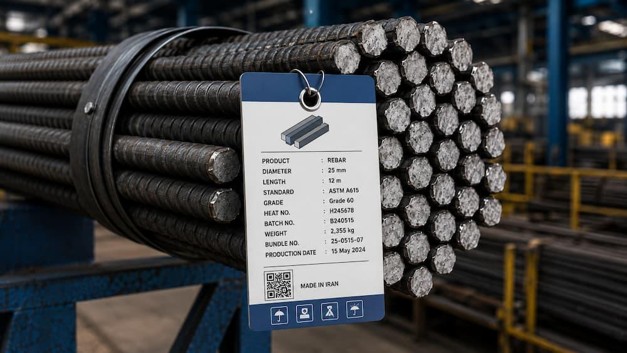
When buying steel products, customers need clear details about them, such as their type, dimensions, thickness, weight, steel grade, applicable standards, technical specifications, and material certificates. This information is just as important as price because it helps buyers decide whether a product is suitable for their project and meets its specific requirements. Having clear data makes it easier for customers to compare different options more effectively. Steel suppliers and online platforms can help by organizing product groups, technical details, and market information together in one place. This gives procurement teams a clearer view of their options before placing an order.
Reliability in Delivery and Availability
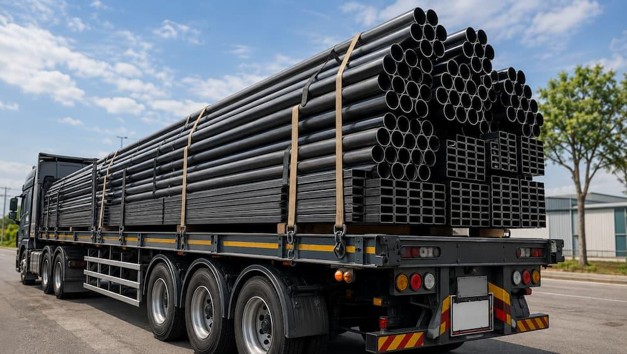
In construction and industrial projects, time is very important because it affects how the work is finished. When the required materials are not available on time, work may have to stop or be delayed, affecting other activities that depend on the steel supply. Such delays may also create problems with labor, equipment, and project scheduling.
For instance, a delay in receiving structural steel can postpone installation and push back the next stages of a project. If the required product is unavailable, buyers may need to find another supplier or arrange an urgent purchase. A supplier who gives clear information about when products will be available and can deliver on time helps companies plan their work and prevent these problems.
Communication and Responsiveness Build Trust
For having a trustworthy relationship, price and quality are not enough. Clear communication is one of the main reasons a supplier becomes a trusted long-term partner. When a supplier responds quickly, shares accurate information, and follows up after the order is placed, it shows reliability and professionalism. These simple actions help buyers feel more confident about future cooperation.
Good communication also reduces mistakes and misunderstandings. When price, stock status, delivery time, and order details are explained clearly, businesses can make better decisions and avoid unnecessary delays. In long-term procurement, this kind of responsiveness builds trust and makes the relationship more stable over time.
Evaluating Suppliers Before Building a Long-Term Relationship
Before building a long-term relationship with a steel supplier, companies and factories should check whether the supplier is a good fit for their project needs. Examining these issues can prevent many risks and problems caused by unreliable suppliers. A practical supplier checklist includes:
- Does the supplier provide clear and accurate product information?
- Can the supplier provide reliable information about stock availability and lead times?
- Does the supplier consistently meet agreed delivery schedules?
- Are pricing, payment terms, and other commercial conditions transparent?
- Does the supplier understand the project, or does it only quote a price?
- Can buyers compare products and alternatives before making a final decision?
- Can the supplier support repeat or larger-volume orders?
As part of this evaluation process, companies can use specialized steel platforms to review product categories and market information, compare available options, and support their initial supplier research. Platforms such as Ahan100 (ahan100.com) can be one of the resources businesses use during this research process.
How Long-Term Supplier Partnerships Support Business Growth
Successful long-term partnerships with the right steel supplier can bring many benefits to a business. It can make procurement easier, reduce delays, improve project planning, and help the company manage costs more effectively over time. On the other hand, as suppliers become more familiar with a company’s needs, they can also provide more consistent service, recommend more suitable solutions, and respond more effectively to changing requirements. In the long run, this kind of cooperation improves operational efficiency, reduces pressure on internal teams, and gives businesses a more stable foundation for growth and new projects.
Conclusion: Look Beyond the Lowest Quote
Price is an essential factor when buying steel, but it should not be the only reason for choosing a supplier. Buyers in construction and industrial projects must also consider quality, transparency, responsiveness, reliable supply, and the ability to build a long-term relationship. A reliable steel supplier can move beyond being a simple seller and become a valuable business partner.
Having a steady relationship with a supplier helps businesses handle repeat orders, react quickly to any new project needs, and plan their supply more effectively. Over time, this can reduce pressure on procurement teams, make the supply process more predictable, and help companies manage their projects more efficiently.
You may also like:
Navigating Uncertainty: Effective Supply Chain Risk Management Strategies
Gartner Magic Quadrant Highlights Rising Demand for 4PL as Supply Chains Fragment
Images AI-Generated