Click here to get this post in PDF
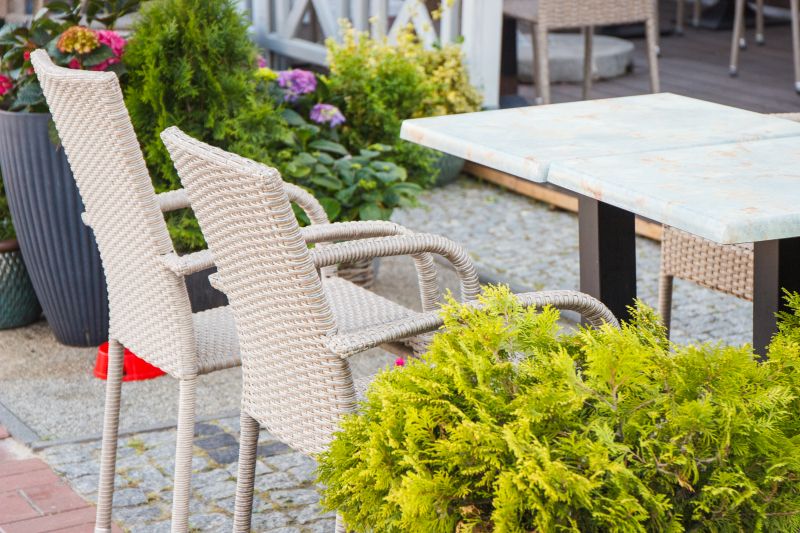
There’s a certain kind of backyard setup that looks good for about five minutes, usually right before people arrive. The table’s been wiped down, the drinks are cold, the salad is waiting under a tea towel, and everything feels promising. Then the guests sit down, shuffle awkwardly, pull their chairs across uneven paving, complain jokingly about the sun in their eyes, and before long half the group has drifted back inside.
Outdoor entertaining can be funny like that. We talk about it as though it’s effortless, but the best outdoor spaces usually aren’t accidental. They work because someone has thought about how people actually behave once they’re there: where they sit, how long they stay, whether they can talk easily, whether the space feels comfortable after the first drink is poured.
That’s why choosing the right outdoor dining chairs can make a bigger difference than people expect. Chairs aren’t the flashiest part of an outdoor area, but they’re the thing everyone interacts with most. A beautiful table might set the scene, but if the seating is uncomfortable, too bulky, too flimsy or awkward to move around, people notice pretty quickly.
The Backyard Has Changed Jobs
Not that long ago, plenty of backyards had a fairly simple role. They were for the washing line, the barbecue, a patch of lawn, maybe a few pot plants and a table that came out when people were over. Now, for many households, the outdoor area has become an extra room. It’s where people eat on warm nights, take work calls in the afternoon, have coffee on Sunday mornings, supervise kids, host birthdays and sit around long after dinner has finished.
That shift has changed what we expect from outdoor furniture. It’s not enough for a chair to survive outside and look acceptable from a distance. It needs to feel good to sit in, suit the space, handle changing weather and still look like it belongs with the rest of the home. A backyard no longer has to feel like the leftover area at the back of the house. With the right setup, it can become one of the most-used spaces you have.
Comfort is especially important because outdoor meals tend to stretch out. Nobody wants to hurry through lunch when the weather is right and the conversation is flowing. The problem is that some outdoor settings are chosen almost entirely for appearance, then people realise too late that the chairs are too low for the table, the arms don’t tuck in properly, or the seat angle is fine for ten minutes but annoying after an hour.
Good Hosting Is Mostly About Removing Friction
The best hosts often make things feel easy. Not fancy, not overproduced, just easy. There’s somewhere to put your glass. You can pull your chair out without wrestling the person next to you. The seating doesn’t wobble. There’s enough room for people to move around without squeezing past the table every time someone wants more bread.
These details might sound small, but they shape the mood of a gathering. When an outdoor dining area is cramped or uncomfortable, people become restless. They stand up more often, split into separate groups, or gradually migrate indoors. When the setup works, the opposite happens. People settle in. They relax into the space. The meal becomes less about the food alone and more about the feeling of being there.
That doesn’t mean every backyard needs a magazine-style makeover. In fact, some of the most inviting outdoor spaces are quite simple. A well-sized table, comfortable chairs, a bit of shade, decent lighting and enough clear space around the setting can do more than a collection of decorative extras. The goal is to make the area feel like a natural place to spend time, not a display that people are afraid to disturb.
Matching the Furniture to the Way You Actually Live
One mistake people often make is designing for the version of themselves who hosts twelve people every weekend, rather than the version who usually eats outside with two or three family members and only occasionally has a crowd over. Outdoor furniture should match real life, not an imaginary entertaining calendar.
For smaller spaces, stackable or lighter dining chairs can make the area more flexible. For larger patios, generous chairs with a bit more presence can help the setting feel grounded rather than lost. Families with kids might prioritise easy-to-clean materials and sturdy frames, while people who host long lunches may care more about comfort and support. There isn’t one correct choice, but there is usually a choice that makes far more sense for the way the space will actually be used.
It’s also worth thinking about how the outdoor area connects to the inside of the home. If the dining space sits just outside the kitchen or living room, it helps when the furniture feels visually connected rather than completely separate. That doesn’t mean everything has to match perfectly. It just means the outdoor area should feel intentional, as though it belongs to the same home and lifestyle.
Weather, Wear and the Reality of Outdoor Living
Outdoor furniture has a harder life than indoor furniture. It deals with sun, moisture, dust, wind, spills, sunscreen, food, pets and the occasional person leaning back further than they should. So while style matters, practicality can’t be an afterthought.
Materials, maintenance and storage all deserve some thought before buying. Some people are happy to oil timber, cover furniture or bring cushions inside. Others want something they can hose down and forget about. Neither approach is wrong, but being honest about your tolerance for upkeep will save a lot of frustration later.
The same goes for weight. Very light chairs are easy to move, which is handy when you’re rearranging the space, but they may not suit windy spots. Heavier chairs can feel more substantial, but they’re less convenient if you regularly move things around. A good outdoor dining area should suit the conditions of the home, not just the mood board.
Making People Want to Stay
At its best, outdoor dining isn’t really about the furniture. It’s about creating a place where people feel comfortable enough to linger. The chairs, table, lighting and layout are just the tools that help make that happen.
A backyard that works well doesn’t need to be enormous or expensive. It just needs to be thought through. When people have a comfortable place to sit, enough room to move, and a setting that feels relaxed rather than thrown together, the whole atmosphere changes. Dinner becomes easier. Hosting feels less stressful. The outdoor area starts to earn its place as part of everyday life.
And that’s the real win. Not a perfect backyard, not a flawless tablescape, not a space designed only for special occasions. Just a better place to sit down, share food, talk for longer than planned and enjoy being at home.
You may also like:
5 Essential Tips To Consider When Choosing An Interior Designer For Your Home
Transforming Your Space: The Impact of Color and Paint in Interior Design
Image source: elements.envato.com