Click here to get this post in PDF
At a Glance
Wayfinding does more than help people find entrances, exits and key areas around your premises. It shapes how visitors experience your brand from the moment they arrive. Clear signage, visible landmarks and well-organised routes can create confidence, while confusing spaces can quickly undermine an otherwise professional image. By treating wayfinding as part of your branding, you can make every arrival feel considered and consistent.
Why Wayfinding Matters More Than You Think
Your brand isn’t limited to your logo, website, or marketing materials. People experience it in every interaction with your business, including when they arrive at your premises. If visitors struggle to understand where to go, that confusion shapes their perception before they even speak to anyone.
Good wayfinding gives people a clear sense of direction without making them work unnecessarily hard. Using signage, landmarks, entrances and clearly defined routes creates an environment that feels organised from the start of the customer journey. When these elements work together, visitors can move around your site with more confidence and less frustration.
This is especially important for larger commercial, industrial, or public spaces with multiple buildings, entrances, or access points. A well-planned route makes the entire environment easy to understand, while reinforcing the impression that your organisation pays attention to detail.
Create a Strong First Impression From the Entrance
Your entrance is often a visitor’s first physical interaction with your business, so it must communicate clearly. If people cannot quickly identify where to enter or go next, the experience can feel disorganised.
Flagpole installation can improve the arrival experience by creating a recognisable visual landmark. It also provides an opportunity to display your company branding, national identity or other relevant flags. When positioned thoughtfully, a flagpole helps visitors locate your premises from a distance and creates a clear focal point.
However, visibility should support practical navigation. Entrance signage should be easy to understand, while pathways and access points should guide visitors naturally towards their destination. When these elements work together, your site feels more welcoming and professionally managed.
Make Routes Clear for Everyone
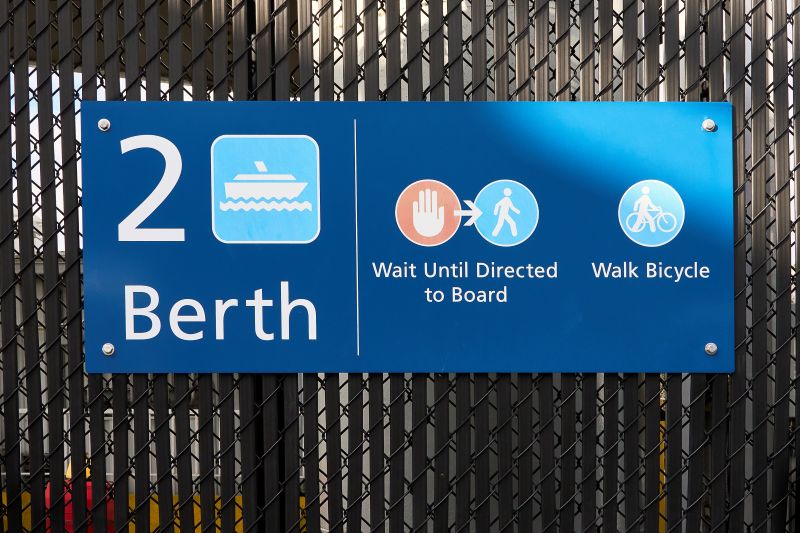
Employees, customers, suppliers, contractors and occasional visitors often have very different levels of familiarity with the space. You can make routes easier to follow by using consistent terminology, recognisable symbols and signage positioned where decisions need to be made. Directional information should appear before junctions, not after someone has already passed the point where they needed guidance.
Ground markings support this process by helping people understand where vehicles, pedestrians and specific activities should go. For example, line marking services in the UK are often required to mark clear visual boundaries across car parks, warehouses, loading areas, and other working environments.
When maintained properly, clear markings make a large site feel more structured and easy to navigate. They also support safer movement by making areas visually distinct, especially where pedestrians and vehicles share the same environment.
Keep Your Wayfinding Consistent
A collection of individual signs does not automatically create effective wayfinding. Think about how every visual element works together, because inconsistent colours, positioning, or design makes navigation harder.
Your signage should reflect your organisation’s wider identity without sacrificing readability. If your brand uses certain colours, fonts, or visual elements, you can incorporate them into directional signs where appropriate. However, information should always remain clear enough to understand quickly.
Consistency also means considering the entire journey, not just one entrance or building. Visitors should receive logical information from arrival to their final destination, with each sign reinforcing the previous instruction rather than creating unnecessary confusion.
When Good Wayfinding Supports Your Brand
Effective wayfinding quietly strengthens your brand because it shows you care about the people using your space. When visitors can find entrances, reception areas, facilities and parking without difficulty, they are more likely to view your organisation as organised and professional.
It also shows that you understand the practical experience of being on your premises. This is especially valuable for businesses welcoming customers, clients, or important visitors, because small frustrations can shape how people remember the overall experience.
This is why wayfinding should be a part of your brand’s physical expression, not just a collection of functional signs. When your visual identity, navigation and site layout work together, the environment feels more deliberate and connected.
To Sum Up
Wayfinding may seem like a practical consideration, but it extends far beyond helping people reach their destination. When your site is difficult to navigate, visitors associate that confusion with your wider organisation and question the attention you give to other details.
By contrast, clear routes, consistent signage, visible landmarks and well-maintained markings create a smoother experience from arrival. When you consider navigation with your wider brand identity, you create a physical environment that feels organised, professional and welcoming.
Your brand is experienced in many different ways, and your premises are one of them. By making wayfinding part of that experience, you ensure the journey through your site supports the reputation you have worked to build.
Also read:
5 Established UK Manufacturers of High-Quality Custom Flags
Comprehensive Brand Visibility: From Physical Signage to Digital SEO
Image source: elements.envato.com