Click here to get this post in PDF
Navigating the Complexity of Modern Property Insurance Costs
Understanding the financial commitment required to protect your property begins with understanding the average costs and the intricate factors that shape them. When we look at the Canadian landscape, particularly in Alberta, we observe clear distinctions across different property types and regions.
For homeowners in Alberta, the average annual home insurance premium is approximately $1,378, or about $118.82 per month. However, this provincial average masks significant regional variations. Calgary, for instance, stands out with an average annual home insurance cost of $2,484, or roughly $207 per month, making it notably more expensive than the provincial average. While specific Edmonton averages are not always disaggregated, they generally fall between the provincial average and Calgary’s higher rates, reflecting similar urban dynamics.
Comparing different property types, we see a clear hierarchy in premiums. Condo insurance in Alberta averages around $533 annually ($45.94 monthly), while tenant insurance is the most affordable at approximately $400 per year ($34.54 monthly). The stark difference between home, condo, and tenant insurance premiums primarily stems from the scope of coverage. Home insurance covers the entire dwelling, its contents, and liability. In contrast, condo insurance typically covers the unit’s interior, personal belongings, and liability, with the building structure often covered by condo fees. Tenant insurance covers only personal contents and liability, while the landlord insures the building itself.
Recent data from 2024-2025 indicates a continuing upward trend in property insurance costs across Canada and beyond. Reports from consumer federations indicate that homeowners in North America have faced significant premium increases, driven by large-scale natural disasters, supply chain disruptions, and inflation. This trend underscores the importance of understanding not just current averages, but also the underlying reasons for these shifts.
A critical concept influencing home insurance costs is replacement value. This is not the market value of your home but rather the estimated cost to rebuild it from the ground up after a total loss, including materials and labor. Insurers use this figure to determine dwelling coverage, which in turn impacts your premium. As construction costs and supply chain issues persist, the replacement value—and thus your premiums—can increase.
To illustrate the typical annual premiums across different property types in Alberta:
Property Type Average Annual Premium (Alberta) Average Monthly Premium (Alberta) Home Insurance $1,378 $118.82 Condo Insurance $533 $45.94 Tenant Insurance $400 $34.54 Regional Variations and Market Trends
The adage “location, location, location” holds significant weight in property insurance. Calgary’s higher home insurance costs, for instance, are often attributed to a combination of factors unique to its urban environment and climate. These include its higher population density, higher property values, and increased exposure to specific risks such as freezing temperatures, snow and water damage, and sewer backups. Even within Calgary, rates can vary significantly by postal code, reflecting localized risk assessments.
Beyond Alberta, we see even more dramatic regional variations. In the United States, the national average home insurance might range from $1,000 to $2,000 annually, but this broad figure encompasses extremes. States like Hawaii boast some of the cheapest rates, averaging around $610 per year, partly because standard policies often exclude hurricane damage, requiring separate coverage. Conversely, states like Oklahoma, prone to severe weather events, can see average premiums skyrocket to over $6,000 annually. Florida also experiences exceptionally high rates, averaging over $7,000 per year, due to its significant exposure to hurricanes and other catastrophic weather events.
Climate change is an undeniable driver of rising insurance costs globally. The increasing frequency and severity of natural disasters, from floods and wildfires to hailstorms and extreme cold, lead to billions of dollars in insured losses each year. In Canada, insured weather damage alone surpassed $2 billion in 2021. This heightened risk translates directly into higher premiums as insurers adjust their models to account for the increased likelihood of claims and the escalating costs of rebuilding. These trends underscore why understanding your regional risks and the broader market dynamics is crucial for navigating property insurance costs effectively.
Why Homeowners Are Turning to Independent Insurance Agencies
In this complex and evolving insurance landscape, homeowners are increasingly seeking guidance from independent insurance agencies. Unlike direct writers who represent a single company, independent agencies work with multiple insurance carriers. This fundamental difference translates into significant advantages for clients, offering a level of choice and personalized service that is difficult to match elsewhere.

Independent agencies act as your advocate, comparing policies and prices from a diverse panel of insurers to find the best fit for your specific needs and budget. This access to a broader market means they can often secure more competitive rates and more comprehensive coverage options than what a single provider might offer. It’s not just about finding the cheapest policy; it’s about finding the right policy that balances cost with adequate protection.
The relationship with an independent agent often extends beyond a single transaction. These agencies pride themselves on building long-term relationships, offering ongoing support and advice as your life and property needs evolve. This concierge service ensures that your coverage remains appropriate, whether you’re renovating your home, adding new assets, or facing new risks. Their local expertise also means they understand the specific challenges and nuances of your community, from regional weather patterns to local property values, allowing them to provide truly tailored recommendations.
Agencies like ours leverage decades of experience and deep industry knowledge to serve clients. As a premier Stanley independent agency property costs provider, our team, comprised of dedicated professionals like Kaisen, Ethan, and Chase as associate agents, and Ana and Sandra providing Spanish-speaking support, is committed to offering a personalized and attentive experience. We believe in fostering strong client-agent relationships, ensuring that every interaction is informative and empowering.
The Concierge Approach to Risk Management
The value of an independent agency truly shines through its concierge-style risk management. We don’t just sell policies; we provide holistic advice that considers all aspects of your financial well-being. This often involves examining the synergy between different types of insurance. For example, bundling your home and auto insurance policies can lead to significant discounts and a streamlined management process.
Beyond property and auto, we also guide clients through other essential protections, such as life insurance, to safeguard their families’ financial future, and business insurance for entrepreneurs operating from home or managing commercial ventures. Our commercial lines specialists, like Amy, bring extensive expertise to business owners, helping them navigate complex risks and secure comprehensive coverage for their enterprises. This integrated approach ensures that all your assets, personal and professional, are adequately protected under one roof, simplifying your insurance journey and providing genuine peace of mind.
Key Factors Influencing Your Insurance Premiums
Property insurance premiums are not arbitrary; they are the result of a complex calculation involving numerous factors that assess the risk associated with insuring your property. Understanding these elements can empower you to make informed decisions and potentially reduce your costs.
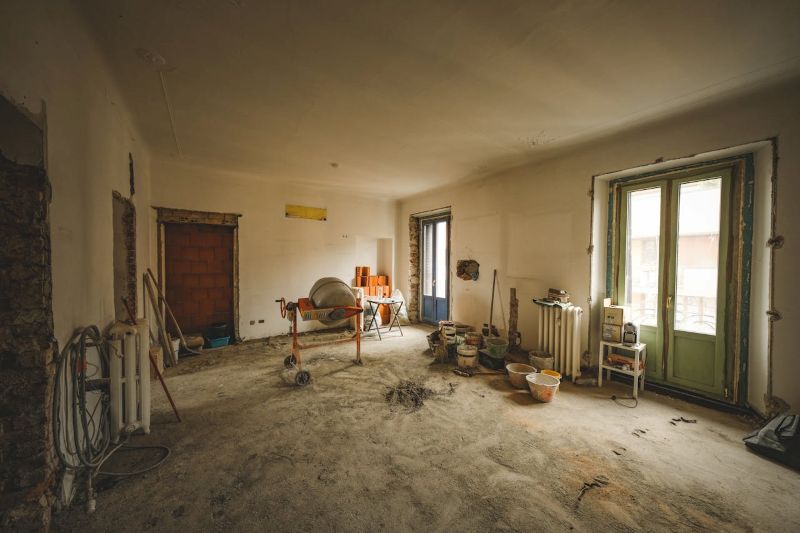
One of the most significant factors is location. Properties in areas prone to natural disasters, such as floods, wildfires, or severe storms, will generally face higher premiums. Proximity to fire hydrants and fire departments can lower rates by enabling faster response times, while areas with higher crime rates might see higher costs due to a greater risk of theft. Even within a city, rates can vary significantly by ZIP code, reflecting localized risk profiles.
Property characteristics play a crucial role. The age of your home, its construction materials (e.g., wood frame versus concrete block), the type of roof (a hip roof is often more wind-resistant than a gable roof and can lead to lower premiums), and the overall condition of the property all impact rates. Newer homes often benefit from modern building codes and safety features, which can lead to lower premiums.
Your credit-based insurance score is another key determinant in many regions, as it’s often correlated with the likelihood of filing claims. A strong credit history can lead to lower premiums, while a poor score might increase them. However, it’s important to note that some states have banned the use of credit scores for insurance rating.
Claims history is a direct indicator of risk. Homeowners with a history of frequent claims, especially for preventable incidents, will likely face higher premiums. Insurers view past claims as a predictor of future ones.
Property maintenance and safety features are within your control and can significantly impact insurance costs. Installing security systems, fire alarms, carbon monoxide detectors, and water leak detectors can qualify you for discounts. Upgrading older systems, such as electrical wiring, plumbing, and HVAC, can also reduce premiums by mitigating the risk of fires, leaks, and other damage. For instance, maintaining your HVAC system can prevent issues like attic rain or condensation, which can lead to costly water damage claims.
Certain attractive nuisances on your property, such as swimming pools or trampolines, can increase your liability risk and, in turn, your premiums. Insurers often require specific safety measures, such as fences around pools, to provide coverage, or may even exclude coverage for certain risks.
Understanding Coverage Limits and Add-ons
A standard home insurance policy typically comprises several core components:
- Dwelling Coverage: Protects the physical structure of your home, including attached garages. This is usually based on your home’s replacement cost.
- Other Structures Coverage: Covers unattached structures on your property, such as sheds or detached garages, usually as a percentage of your dwelling coverage.
- Personal Property (Contents) Coverage: Protects your belongings, like furniture, electronics, and clothing, both inside and outside your home. This is often calculated as a percentage of your dwelling coverage (e.g., 50%).
- Personal Liability Coverage: Provides financial protection if you’re found legally responsible for injuries to others or damage to their property. Standard limits typically range from $100,000 to $500,000, but higher limits or an umbrella policy may be recommended.
- Additional Living Expenses (Loss of Use): Covers costs if you need to temporarily live elsewhere while your home is being repaired after a covered loss, such as hotel stays and food. This is often a percentage of your dwelling coverage (e.g., 10-20%).
Beyond these standard coverages, we often recommend optional coverages or add-ons tailored to specific risks, especially in regions like Alberta:
- Overland Flood Coverage: Essential for properties in flood-prone areas, as standard policies typically exclude flood damage.
- Sewer Backup Coverage: Protects against damage caused by water backing up from sewers or drains, a common issue that standard policies may not cover.
- Earthquake Coverage: While less frequent, Alberta does experience seismic activity, making this a valuable add-on for comprehensive protection.
- Identity Theft Coverage: Helps cover expenses related to restoring your identity if it’s stolen.
- Guaranteed Replacement Cost: An endorsement that ensures your dwelling is rebuilt even if the cost exceeds your dwelling coverage limit, accounting for inflation in materials and labor.
These add-ons are crucial for filling gaps in standard policies and ensuring that your protection is truly comprehensive against the unique risks your property faces.
Strategic Ways to Optimize Your Coverage and Costs
While property insurance is a necessary expense, homeowners can employ numerous strategies to optimize their coverage and potentially reduce premiums without compromising essential protection.

One of the most effective ways to save is by bundling policies. Many insurers offer significant discounts when you combine your home and auto insurance, and sometimes even other policies like life or business insurance. This can result in substantial annual savings.
Deductible adjustments offer another avenue for savings. Choosing a higher deductible—the amount you pay out-of-pocket before your insurance kicks in—will typically lower your annual premium. However, it’s crucial to select a deductible you can comfortably afford in the event of a claim.
Maintaining a claims-free record is highly beneficial. Insurers often reward customers who haven’t filed claims for several years with discounts. This incentivizes preventive maintenance and handling minor issues out of pocket rather than filing small claims that could increase your rates.
Taking advantage of online purchase discounts can also yield savings with some providers. Additionally, inquiring about group rates or alums discounts through your employer, professional associations, or educational institutions may uncover additional opportunities to reduce premiums.
Installing certain security and safety features can qualify you for discounts. This includes monitored alarm systems, deadbolts, smoke detectors, carbon monoxide detectors, and water leak detection systems. Beyond security, investing in property maintenance and upgrades can also pay off. Installing a sump pump and backwater valve can mitigate the risk of water damage and sewer backup, potentially lowering premiums. Regular maintenance, such as cleaning gutters to prevent water overflow and foundation damage, demonstrates responsible homeownership and reduces the likelihood of claims.
Finally, conducting annual reviews of your policy with an independent agent is a best practice. As market trends, your property’s value, and your personal circumstances change, your policy should evolve with them. An annual review ensures you have adequate coverage and are taking advantage of all available discounts.
Long-term Savings and Maintenance
The long-term outlook for property insurance premiums suggests continued increases driven by inflation in repair costs, supply chain disruptions, and the escalating impact of climate change. This makes proactive cost-management strategies even more critical.
Regular property upkeep is paramount. Beyond the immediate benefits of preventing damage, a well-maintained home is viewed as a lower risk by insurers. This includes everything from routine roof inspections to ensuring your home’s systems (electrical, plumbing, HVAC) are in good working order.
Improving your credit score over time can also lead to lower premiums, as it’s often a factor in how insurers assess risk. Paying your premiums upfront annually, rather than monthly, can sometimes result in a small discount by avoiding administrative fees.
Working with an independent broker provides a significant advantage in the quest for long-term savings. We can proactively compare competitive quotes from various insurers on your behalf, ensuring you always have access to the best rates for your coverage needs. Our advocacy extends to helping you understand policy nuances, identifying potential gaps, and advising on strategic improvements that can reduce your risk profile and, consequently, your premiums over time. This ongoing partnership is invaluable in navigating the dynamic world of property insurance.
Frequently Asked Questions about Independent Insurance Agencies
As you consider your property insurance options, you might have questions about how independent agencies fit into the broader insurance landscape. Here, we address some common inquiries.
How do independent insurance agencies compare to direct writers?
The primary distinction lies in choice and advocacy. Direct writers, such as those you might contact directly from an advertisement, represent only their own company’s products. An independent agency, on the other hand, partners with multiple insurance carriers. This allows us to offer you a wider range of options, comparing policies, coverages, and prices from various providers to find the best fit for your unique situation. This flexibility means we are not beholden to a single company’s offerings but are instead your unbiased advisor, focused solely on your best interests. We provide local expertise, personalized service, and a single point of contact for all your insurance needs, even if your policies are with different carriers.
What are the benefits of working with independent insurance agencies for business owners?
For business owners, the benefits are particularly pronounced. Commercial property insurance and other business-related coverages are often more complex than personal lines. Independent agencies specialize in understanding these intricacies. Our commercial lines experts, like Amy, conduct thorough risk assessments to identify specific vulnerabilities your business might face. We then tailor solutions from our network of carriers, ensuring comprehensive protection against liabilities, property damage, business interruption, and other industry-specific risks. This personalized approach helps safeguard your business continuity and financial stability, allowing you to focus on your operations with confidence.
Is home insurance mandatory for all properties?
While there isn’t a federal law in Canada or the U.S. that mandates home insurance for all properties, it is almost always a requirement if you have a mortgage. Mortgage lenders require proof of insurance to protect their financial interest in your home. Without it, they could face significant losses if your property is damaged or destroyed. Beyond lender requirements, home insurance is a critical tool for financial security and asset protection. It safeguards your most valuable investment against unforeseen events and protects you from potential liability claims, offering essential peace of mind whether you own your home outright or not.
Conclusion
The journey to securing adequate and affordable property insurance can seem daunting, especially with the continuous evolution of costs and risks. However, by understanding the key factors that influence premiums, recognizing the value of comprehensive coverage, and strategically optimizing your policies, you can navigate this landscape with confidence.
Whether you own a home or condo or rent, personalized protection is paramount. The average costs we’ve explored for Alberta, Calgary, and Edmonton, alongside the broader national and international trends, underscore the importance of staying informed and proactive. Factors ranging from your property’s location and characteristics to your claims history and chosen deductibles all play a role in shaping your rates.
Protecting your property is about more than just a policy; it’s about safeguarding your financial well-being and securing your peace of mind. With expert guidance and a commitment to understanding your unique needs, we can help you find the right coverage at the right price, ensuring your most valuable assets are protected for the long term in an ever-changing world.
You may also like: Choosing the Right Path: How Boundary Dispute Solicitors Can Safeguard Your Property Rights