Click here to get this post in PDF
As businesses grow, so does their data. Contracts, invoices, employee records, medical files, legal documents, and historical files all need to be kept safe for years.
Storing everything onsite can quickly become risky and expensive. That is why many organizations turn to offsite storage, especially storage for archiving, to protect important records while freeing up valuable space.
Below is a clear and practical look at the main options for safe and reliable offsite storage, written in simple terms.
Why Offsite Storage Matters for Archiving
Archiving is not about daily access. It is about long-term protection, compliance, and peace of mind. Archived records must stay secure, readable, and available when needed, sometimes decades later.
Offsite storage helps by:
- Protecting files from fire, floods, and theft
- Reducing clutter and costs at your main location
- Supporting legal and regulatory retention rules
- Keeping sensitive information controlled and tracked
The key is choosing the right type of offsite storage for your needs.
Physical Records Storage Facilities
This is the most common option for archiving paper documents.
What It Is
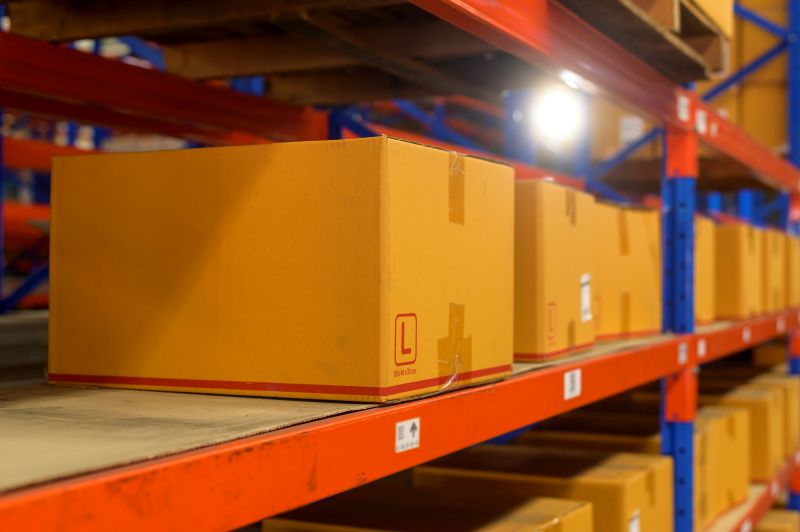
Professional storage facilities designed specifically for records. Files are stored in labeled boxes, placed on secure shelving, and managed by trained staff.
Why It Works for Archiving
- Climate-controlled environments prevent paper damage
- Strict access controls protect sensitive files
- Barcode tracking ensures every box is accounted for
- Retention schedules help manage destruction dates
This option is ideal for businesses that must keep physical records like legal files, financial documents, or medical charts.
Secure Media Storage for Digital Archives
Not all archives are paper. Many businesses store data on hard drives, backup tapes, or other physical media.
What It Is
Specialized offsite storage designed for digital media rather than paper.
Key Benefits
- Temperature and humidity controls protect data integrity
- Secure vaults reduce risk of data theft or loss
- Chain-of-custody tracking ensures accountability
This type of storage for archiving is common in IT, healthcare, finance, and large enterprises that use backup tapes or long-term digital records.
Cloud-Based Archival Storage
Cloud storage is a modern option that works well for digital archiving.
What It Is
Data is stored securely on remote servers managed by trusted providers and accessed through the internet.
Why Businesses Use It
- No physical space needed
- Built-in redundancy protects against data loss
- Scales easily as archives grow
- Supports long-term retention policies
Cloud archiving is best for digital-only records that do not require original physical copies.
Hybrid Offsite Storage Solutions
Many organizations use a mix of physical and digital archiving.
How It Works
- Paper documents are stored in physical offsite facilities
- Digital copies or indexes are stored in the cloud
- Retrieval can be physical, digital, or both
This approach balances security, accessibility, and cost. It is especially useful for companies transitioning from paper to digital records.
Specialized Compliance Storage
Some industries have strict storage rules.
Examples
- Healthcare records with patient privacy requirements
- Legal files with long retention periods
- Financial documents subject to audits
Specialized offsite storage providers understand these regulations and offer compliant storage for archiving, including audit trails, controlled access, and certified destruction services.
What to Look for in a Reliable Offsite Storage Provider
Not all storage services are equal. When choosing storage for archiving, focus on these essentials:
- Security: 24/7 monitoring, restricted access, and background-checked staff
- Environmental Control: Proper temperature and humidity levels
- Tracking Systems: Barcodes or digital logs for every item
- Retrieval Options: Fast access when you need your records
- Clear Pricing: No hidden fees for storage or retrieval
- Retention Management: Help with legal hold and destruction schedules
A reliable provider should feel like a long-term partner, not just a warehouse.
Choosing the Right Option for Your Needs
The best off-site storage solution depends on:
- The type of records you archive
- How long they must be kept
- How often they need to be accessed
- Industry rules and compliance needs
For paper-heavy archives, physical records storage is often the safest choice. For digital archives, cloud or media storage works well. For many businesses, a hybrid approach offers the most flexibility.
Final Thoughts
Safe and reliable offsite storage is not just about space. It is about protecting your history, your data, and your responsibilities. With the right storage for archiving, you reduce risk, stay compliant, and gain peace of mind knowing your records are secure for the future.
Choosing wisely today ensures your information is still safe tomorrow, next year, and decades from now.
Also read: How To Maximize Storage Space In Your Warehouse
Image source: elements.envato.com