Click here to get this post in PDF
Fundamental Strategies in Industrial Processing and Contracting
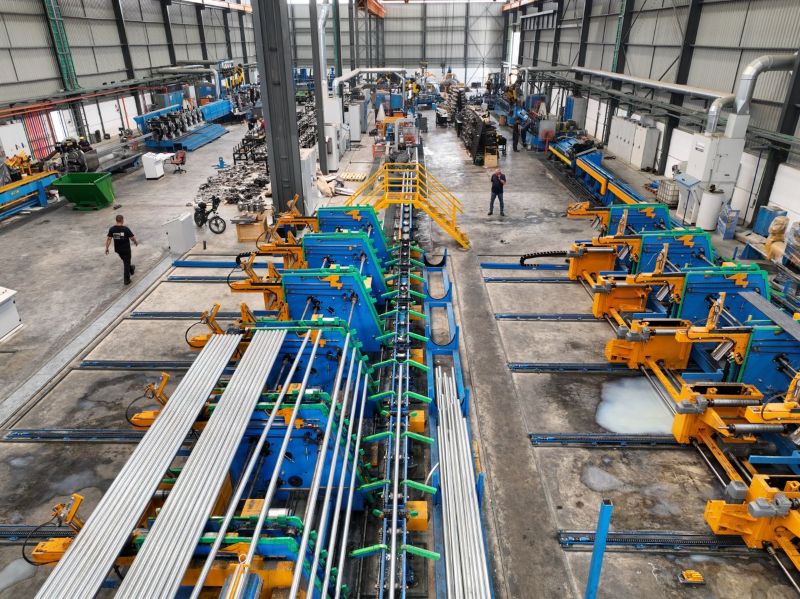
Successfully operating a modern industrial facility is a complex undertaking. It demands technical precision, deep expertise, and a meticulous approach to every project. This is where industrial processing and contracting becomes essential.
These specialized services are critical for everything from installing heavy machinery to integrating advanced industrial processing equipment. They ensure our plants run efficiently and reliably.
In this guide, we will explore the unique aspects of industrial contracting. We will cover its distinctions from general contracting, common challenges, and the innovative trends shaping its future. Our aim is to provide insights for optimizing operations and achieving project success in demanding industrial environments.
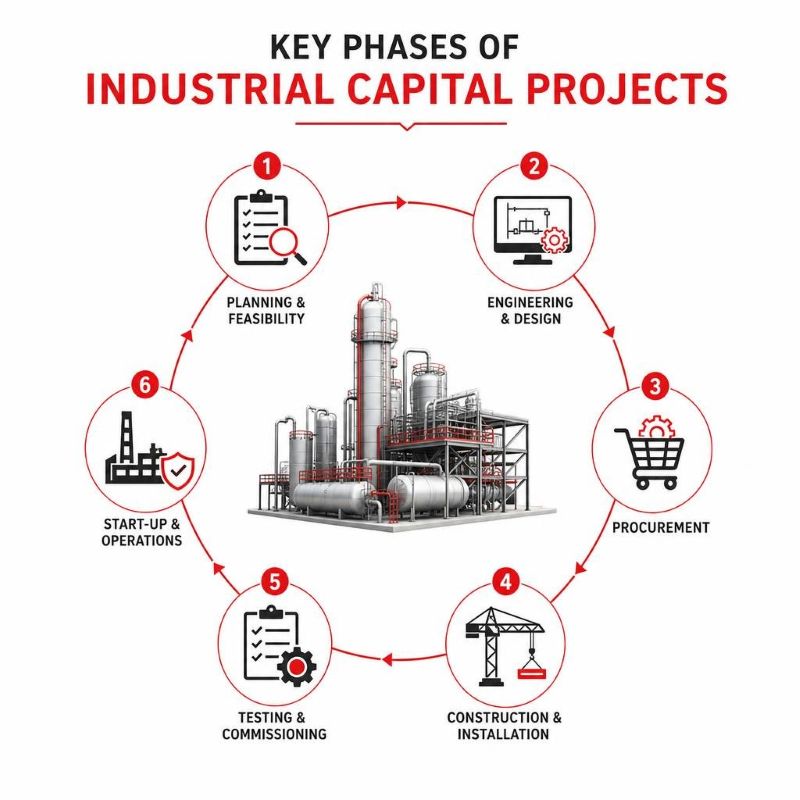
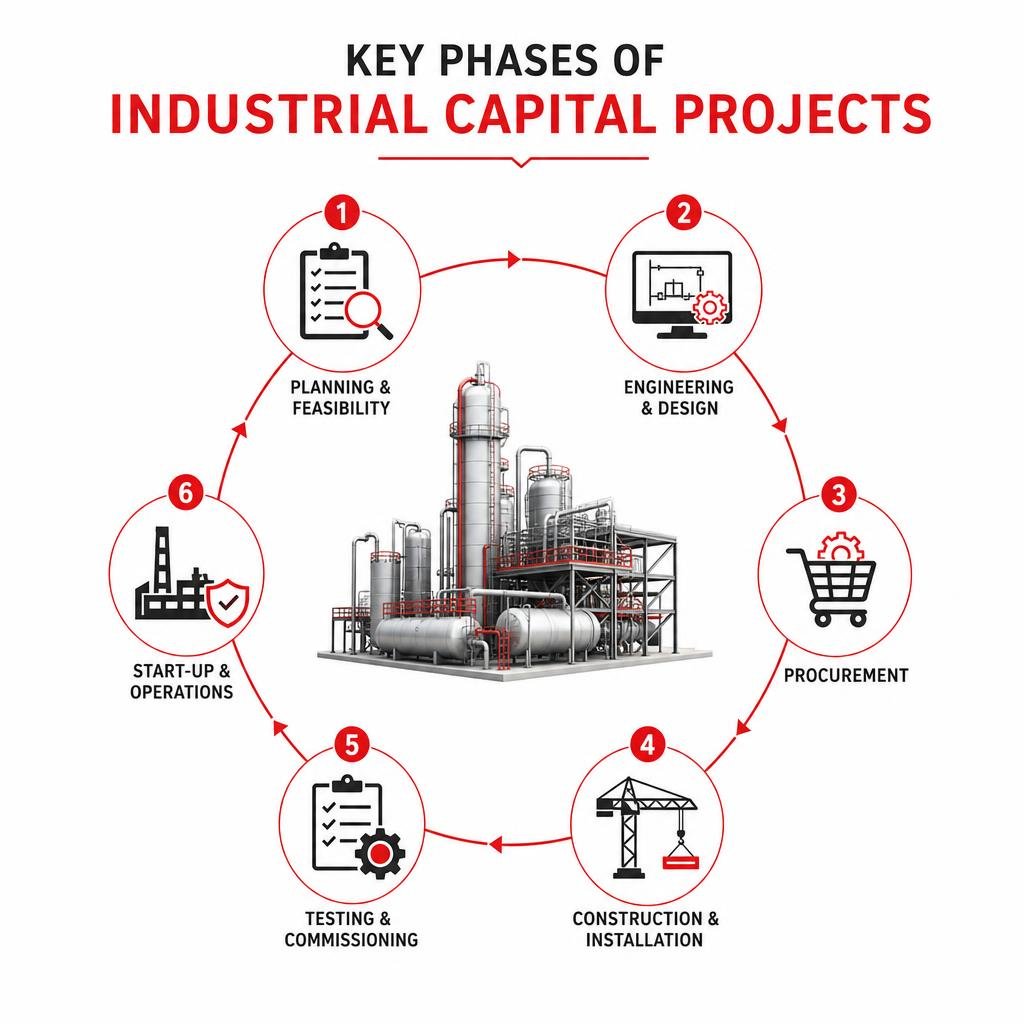
Industrial processing and contracting represents a specialized field focused on the unique demands of industrial environments, such as manufacturing plants, chemical facilities, and energy infrastructure. Unlike general construction, which often deals with residential or commercial buildings, industrial projects involve highly complex systems, heavy machinery, and stringent regulatory requirements. The scope of work typically encompasses everything from initial engineering and design to procurement, fabrication, installation, and commissioning.
A hallmark of effective industrial contracting is the adoption of a design-build methodology, where engineering and construction teams collaborate from the earliest stages. This integrated approach fosters seamless communication, reduces potential conflicts, and accelerates project timelines. When executed as turnkey solutions, industrial contractors can manage the entire project lifecycle, ensuring a single point of accountability and streamlined delivery of capital execution. This comprehensive oversight is crucial for maintaining operational efficiency and achieving project objectives within established budgets and schedules.
Industrial Processing and Contracting vs. General Contracting: Scope and Self-Performance
The distinction between industrial contracting and general contracting is profound, rooted in their respective scopes, complexities, and required specializations. General contractors typically manage projects like commercial buildings, residential developments, or smaller infrastructure, often relying on a network of subcontractors for specialized tasks. Industrial contractors, however, operate within environments that demand a much higher degree of technical expertise and specialized equipment.
Industrial projects frequently involve intricate tasks such as millwright work—the precise installation, alignment, and maintenance of heavy machinery—and complex heavy rigging operations for moving massive components. Process piping, designed to transport raw materials or finished products through a facility, requires specialized knowledge of materials, pressure ratings, and regulatory compliance, distinct from standard utility piping found in commercial buildings. Many industrial contractors also offer comprehensive industrial contracting and custom fabrication services, allowing for bespoke solutions tailored to specific operational needs.
A significant advantage in the industrial sector is the self-performing contractor model. These firms employ their own skilled tradespeople—such as certified welders, pipefitters, and millwrights—and own a substantial fleet of specialized equipment. This direct-hire labor and owned equipment fleet enable greater control over project quality, schedule, and cost. It minimizes the communication friction and markup costs associated with multiple subcontractors, leading to more predictable outcomes and reduced project risk.
Here’s a comparison of these two contractor types:
| Feature | Self-Performing Industrial Contractor | General Contractor (Traditional Model) |
|---|
| Scope of Work | Large-scale industrial facilities, complex machinery, process systems. | Residential, commercial, and light industrial buildings, smaller projects. |
| Specialization | Deep expertise in specific industrial processes, heavy equipment. | Broad knowledge of various construction trades. |
| Labor Force | Direct-hire, highly skilled, specialized tradespeople (e.g., millwrights, certified welders). | Relies heavily on subcontractors for specialized tasks. |
| Equipment Ownership | Owns substantial fleet of specialized heavy equipment. | Typically rents or relies on subcontractors’ equipment. |
| Project Complexity | High; involves intricate engineering, strict tolerances, hazardous materials. | Moderate to high; typically less complex systems. |
| Regulatory Compliance | Adheres to stringent industry-specific regulations (e.g., OSHA, ASME). | Follows general building codes and safety standards. |
| Risk Management | Centralized control, proactive risk identification, integrated safety. | Distributed risk across multiple subcontractors, coordination challenges. |
| Cost Structure | Potentially lower overall cost due to reduced markups and efficiencies. | Can have multiple layers of markup from subcontractors. |
Regulatory Frameworks, Tax Classifications, and Property Determination
Navigating the regulatory landscape and tax implications is a critical aspect of industrial processing and contracting. The classification of a contractor—whether as a real property contractor, a manufacturer/contractor, or a contractor acting as a retailer—significantly impacts sales and use tax obligations. For instance, a real property contractor typically acts as the consumer of materials, paying sales tax to suppliers and not charging sales tax to the client for the installed property. Conversely, a contractor acting as a retailer may itemize labor and materials, charging sales tax on the materials portion.
A key challenge arises in determining whether installed property is considered a fixture to real estate or remains tangible personal property for tax and regulatory purposes. This distinction often hinges on a three-factor test:
1. Annexation to Realty: Is the property physically attached to the real estate, or is it constructively annexed (e.g., heavy machinery that is essential to the building’s function even if not bolted down)?
2. Adaptation to the Use or Purpose of the Real Estate: Is the property specifically designed or adapted for the particular industrial facility, making it integral to its operation?
3. Intention of the Party: Was the objective intention of the party installing the property to make it a permanent accession to the real estate?
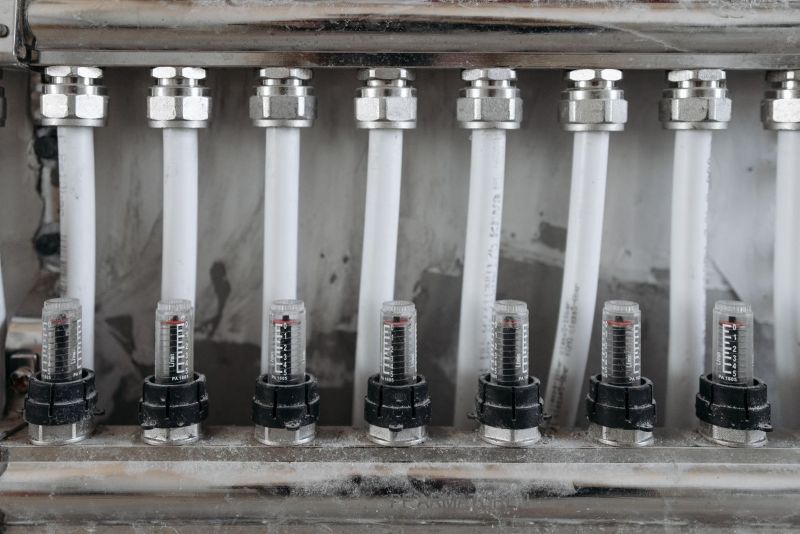
Understanding these factors is crucial. For example, foundations specifically designed for industrial processing machinery may be classified as personal property, potentially qualifying for industrial processing exemptions, unlike standard building foundations. Statutory exemptions also exist for certain materials affixed to real property in industrial projects, such as pollution control facilities or equipment used directly in industrial processing. Contractors must maintain precise documentation and understand these nuances to ensure compliance and avoid unexpected tax liabilities, such as the typical 6% use tax on material costs for real property contractors.
Applying Value Engineering and Early Contractor Involvement
Value engineering is a systematic approach to optimizing project value by identifying unnecessary costs without compromising functionality or quality. In industrial contracting, this is most effective when applied through early contractor involvement (ECI). Bringing the contractor into the project during the initial planning phases allows their practical expertise to influence design decisions, often leading to significant cost and time savings.
One powerful framework for ECI is Front-End Loading (FEL), which typically progresses through stages like FEL-1 (conceptualization), FEL-2 (feasibility), and FEL-3 (scope definition). This structured approach, coupled with Front-End Engineering Design (FEED), ensures that constructability reviews are integrated from the outset. By evaluating design choices for ease of construction, material efficiency, and operational impact, potential issues can be identified and resolved long before they become costly problems during execution.
Real-world examples demonstrate the power of value engineering. For instance, an initial design might specify an overly deep foundation for a piece of equipment; through ECI and detailed engineering evaluation, it might be determined that an 8-foot foundation is sufficient instead of a 12-foot one, saving considerable excavation and concrete costs. Similarly, complex fabrication, such as hazardous vault tanks, can be shifted from a 24-week on-site build to a 3-week off-site modular fabrication and transport, drastically compressing schedules. Even seemingly minor adjustments, like performing a partial roof raise to accommodate new equipment instead of a full facility demolition, can enable continuous manufacturing and minimize operational disruption, leading to substantial cost control and improved project outcomes.
Overcoming Execution Challenges and Vetting Industrial Partners
Industrial projects are inherently complex and fraught with potential challenges, from unforeseen site conditions to intricate regulatory hurdles. Effective risk management is paramount to ensuring projects stay on track, within budget, and without compromising safety or operational continuity. Addressing issues like communication breakdowns, scope confusion, and infrastructure constraints requires proactive strategies and a robust approach to partner selection. Minimizing downtime and ensuring continuous plant operation are often top priorities, making the contractor’s ability to navigate these challenges critical.
Best Practices for Risk Mitigation in Industrial Processing and Contracting
Industrial contracting projects are often characterized by high stakes and tight deadlines, making proactive risk mitigation essential. Common challenges include subcontractor issues, communication breakdowns, and scope confusion, all of which can lead to budget overruns and schedule delays. To avoid these, a centralized communication strategy is vital, ensuring all stakeholders are aligned and informed throughout the project lifecycle. Detailed planning, including comprehensive project objectives, expectations, deliverables, and compliance standards, helps prevent scope creep and ensures everyone understands the project’s boundaries.
Infrastructure constraints in older facilities, such as limited power, cooling, or structural capacity, can also pose significant hurdles. Thorough pre-project assessments and engineering evaluations can identify these limitations early, allowing for creative problem-solving and design adjustments. For projects requiring continuous plant operation, contractors must implement strategies to minimize disruption, such as phased installations or off-site prefabrication. Ensuring a reliable supply chain, including critical consumables like fuel, is also important. For instance, utilizing services for mobile delivery of diesel can prevent costly delays caused by fuel shortages for heavy equipment.
Safety protocols are non-negotiable in industrial environments. Adherence to strict industry standards, such as OSHA regulations and ISO 9001 quality compliance, is crucial not only for worker protection but also for maintaining project integrity and avoiding costly incidents. Self-performing contractors, with their direct control over labor and equipment, often have a stronger safety culture and more consistent application of best practices.
Essential Questions for Vetting Industrial Contracting Services
Selecting the right industrial contracting company is one of the most critical decisions for any major project. Thorough vetting is essential to ensure a partner possesses the necessary expertise, resources, and track record to deliver successfully. When evaluating prospective contractors, consider asking the following key questions:
- Self-Performance Verification: “Will all the people working on this project be your direct employees, or will you be subcontracting any trades?” (Aim for a high degree of self-performance, especially for critical trades.)
- Direct Labor Allocation: “How many people from each trade (e.g., pipefitters, millwrights, electricians) will you be using on this project, and what are their certifications?”
- Equipment Inventory Audit: “Do you own the heavy equipment required for this job, or will you need to rent it?” (Owned equipment often indicates greater control and reliability.)
- Technical References: “Can you provide five company references and example projects that demonstrate you are a true self-performing contractor in a similar industrial setting?”
- Past Project Performance: “Have you ever managed a project like mine, and what were the outcomes, particularly regarding schedule adherence, budget, and safety?”
- Problem-Solving Approach: “How do you typically handle unforeseen challenges or scope changes during a complex industrial project?”
- Safety Record: “What is your company’s safety record (e.g., EMR, TRIR), and what specific safety protocols do you implement on industrial sites?”
- Financial Stability: “Can you provide evidence of your financial stability and bonding capacity for a project of this scale?”
- Quality Control: “What quality control processes do you have in place to ensure compliance with engineering specifications and industry standards?”
- Technology Integration: “How do you leverage modern technology (e.g., BIM, project management software) to improve project outcomes?”
These questions move beyond superficial inquiries, allowing us to delve into the operational capabilities, experience, and commitment of a potential industrial contractor.
Modern Trends Driving the Future of Industrial Facilities
The industrial contracting landscape is continuously evolving, driven by technological advancements and the increasing demand for efficiency, sustainability, and resilience. Several key trends are shaping the future of industrial facilities:
One significant trend is the rise of offsite prefabrication and modular construction. By building components like modular skids, pipe racks, and even entire Clean-in-Place (CIP) systems in a controlled factory environment, contractors can significantly reduce on-site construction time, minimize operational disruption, and enhance quality control. This approach is particularly beneficial for integrating specialized industrial processing equipment into existing facilities or for rapidly deploying new production lines.
Automation and robotics are also playing an increasingly vital role. Automated Guided Vehicles (AGVs) and robotic systems are being used for material handling, welding, and even complex assembly tasks, improving safety, precision, and speed. Data-driven decision-making, powered by Building Information Modeling (BIM) and advanced project management software, provides real-time insights into project progress, resource allocation, and potential risks, enabling more informed and proactive management.
Furthermore, there is a growing emphasis on workforce upskilling and apprenticeships. As technology advances, the demand for highly skilled tradespeople capable of working with sophisticated equipment and digital tools increases. Industrial contractors are investing in training programs to ensure their workforce possesses the necessary expertise to navigate these complex environments, addressing the persistent labor shortage in the sector. These trends collectively point towards a future where industrial projects are executed with greater precision, efficiency, and adaptability.
You may also like: Defining Industrial Equipment: From Heavy Machinery to Precision Components