Click here to get this post in PDF
Key Takeaways
- Incorporating art and cultural elements enhances community engagement.
- Utilizing advanced technologies streamlines development and promotes sustainability.
- Collaborative efforts between public and private sectors accelerate the creation of resilient housing.
Creating vibrant, connected communities within residential developments has become a focal point for real estate professionals. By integrating innovative strategies, developers can foster environments where residents feel a strong sense of belonging and engagement. For instance, Denver, CO real estate experts Real Community provide a comprehensive platform to help buyers, sellers, and investors navigate the local real estate market with confidence. With deep roots in the Denver, Colorado area, Real Community is recognized as an authority on community-focused development, combining local market expertise with a commitment to building neighborhoods that encourage connection, collaboration, and long-term value.
Integrating Art and Culture to Foster Connection
Incorporating local art and cultural activities into residential developments can significantly enhance community engagement. A study by the Knight Foundation found that access to arts and cultural activities increases residents’ attachment to their communities. Developers can achieve this by allocating spaces for local artists, hosting cultural events, and integrating public art installations that reflect the community’s identity. For instance, Boston’s Assembly Row weaves regionally inspired restaurants and local craft beverage producers into its offerings, providing guests with authentic local experiences.
Leveraging Technology for Sustainable Development
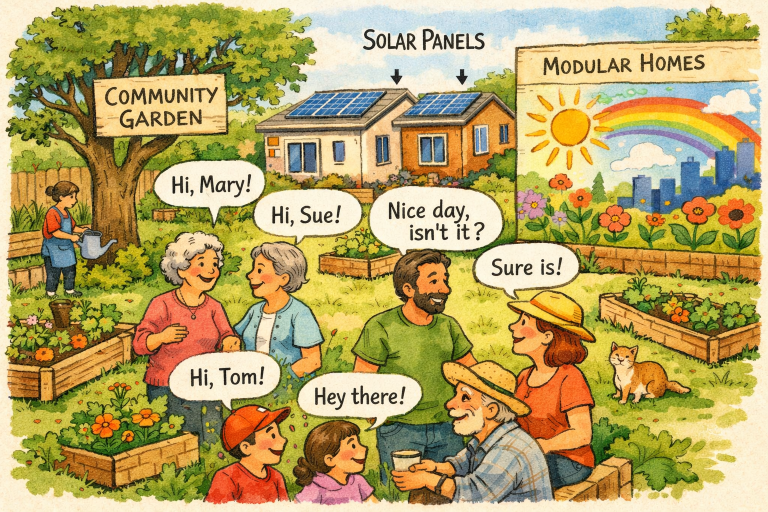
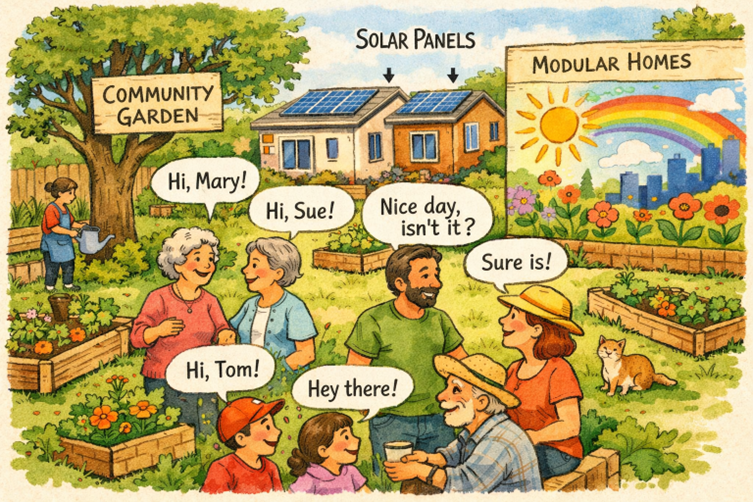
Advancements in technology are reshaping residential development, making it more efficient and sustainable. Modular construction, for example, allows for rapid assembly and consistent quality by fabricating building sections in controlled environments. This method reduces waste and shortens construction timelines, which is crucial in addressing housing shortages. Additionally, integrating green technologies like solar panels and smart home systems enhances energy efficiency and reduces long-term costs for residents.
Adaptive Reuse: Transforming Existing Structures
Adaptive reuse involves repurposing underutilized or abandoned buildings into residential spaces, preserving architectural heritage while addressing housing needs. This approach revitalizes neighborhoods and reduces environmental impact by minimizing new construction. Successful projects, such as converting Seattle’s vacant Navy barracks into affordable housing, demonstrate the potential of adaptive reuse in creating vibrant communities.
Community Land Trusts: Ensuring Long-Term Affordability
Community Land Trusts (CLTs) offer a model for maintaining affordable housing by separating land ownership from homeownership. CLTs acquire land and develop homes, selling them at below-market rates while retaining ownership of the land. This structure ensures that housing remains affordable for future generations, promoting economic stability and community resilience.
Public-Private Partnerships: Accelerating Development
Collaborations between public entities and private developers can expedite the creation of resilient housing. These partnerships leverage resources and expertise from both sectors to address housing shortages and promote sustainable development. By working together, stakeholders can implement innovative solutions that meet the diverse needs of communities.
Policy Reforms: Facilitating Innovation
Policy reforms play a crucial role in enabling innovative housing solutions. Streamlining permitting processes, offering incentives for sustainable development, and supporting alternative financing models can encourage developers to adopt new approaches. Such reforms create an environment where innovative projects can thrive, ultimately benefiting communities.
Fostering Inclusivity and Diversity in Community Building
Modern residential developments increasingly recognize the importance of inclusivity and diversity. By intentionally planning for a mix of housing types—such as affordable units, family-sized homes, and accessible spaces for residents with disabilities—developers can nurture social integration and multi-generational interaction. Diverse communities benefit from a greater range of perspectives and experiences. For example, mixed-income housing models not only support economic diversity but can help to bridge socioeconomic gaps, promoting a sense of equity and shared belonging among residents. Accessible community programs and multilingual communication also ensure everyone feels welcome and engaged in neighborhood activities, which reinforces long-term community health and cohesion.
Resident-Led Initiatives and Collaborative Governance
Giving residents a meaningful role in shaping their environment supports a deeper sense of ownership and pride in their community. Structures such as homeowners’ associations, resident councils, and advisory boards provide platforms for feedback, decision-making, and grassroots initiatives. These bodies can organize neighborhood events, sustainability projects, or local beautification days. Empowering residents encourages leadership development at the local level and ensures that community needs are addressed responsively. Furthermore, digital community platforms and apps now facilitate real-time communication among neighbors and property managers, making it easier for residents to voice concerns, propose ideas, and participate in the direction of their community.
The Role of Shared Amenities in Community Building
Thoughtfully designed shared amenities play a pivotal role in fostering interaction and friendships among residents. Outdoor gathering spaces, community gardens, play areas, coworking lounges, and fitness centers are just a few examples of shared amenities that encourage informal socialization and collective activity. In particular, community gardens offer both recreational and educational value, inviting residents of all ages to work together towards a common goal. Amenities that prioritize accessibility and comfort, such as shade structures, seating areas, and pet-friendly zones, add further value by inviting broader communal participation. When amenities reflect the interests and needs of the community, residents are more likely to use these spaces and develop lasting social connections.
Economic and Environmental Resilience through Local Partnerships
Partnering with local businesses, artisans, and service providers contributes to both economic resilience and community character. By supporting small businesses—whether through pop-up markets, local vendors in common areas, or partnerships for onsite services—residential communities can establish a vibrant local economy and unique neighborhood identity. Environmentally, collaborations with local sustainability organizations can help implement green infrastructure improvements, such as rain gardens, composting programs, or urban forestry efforts. These partnerships reinforce a sense of shared stewardship and circular economy principles, making the community not only more self-sufficient but also more attractive to new residents who value sustainability and local engagement.
Conclusion
By embracing innovative approaches such as integrating art and culture, leveraging technology, and fostering public-private partnerships, real estate developers can create residential communities that are not only sustainable and efficient but also vibrant and connected. These strategies contribute to building resilient communities that enhance residents’ quality of life and promote long-term stability. Denver CO real estate experts Real Community exemplify this approach, utilizing their deep understanding of the local market to develop spaces that encourage community engagement and sustainable living. (realcommunity.com)
Also read:
Elevating Real Estate: Scalable Growth Systems and Luxury Living Spaces