Click here to get this post in PDF
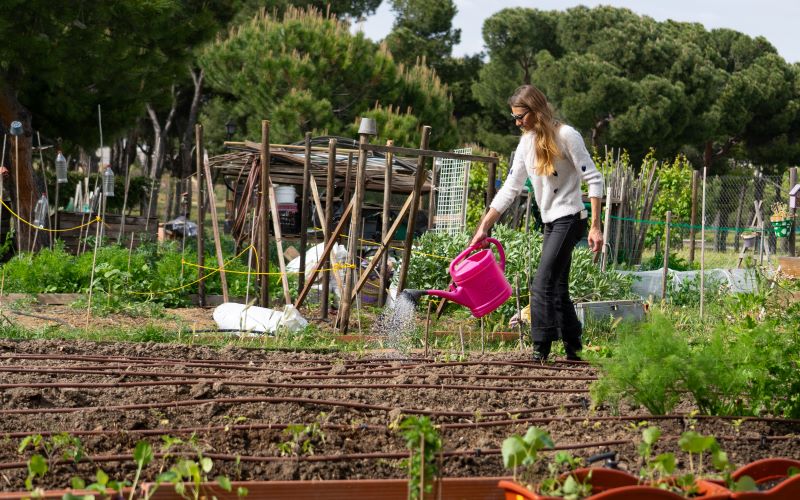
Allotment preparation in February plays a quiet but important role in shaping the months ahead. The ground may still feel slow and cold, yet this is the point where steady groundwork begins to matter.
This time of year is a good starting point for slowing down and focusing on thoughtful preparation. There’s no pressure from rapid growth or busy harvests at this stage, as the growing season is yet to begin. You have plenty of time to carefully examine your plot and make informed decisions that will benefit it over the next few months.
It’s important to consider trusted resources for guidance on growing during this month. Communities like Allotment Online help you stay aligned with seasonal priorities through monthly planners and shared advice, which are especially helpful for beginners.
In this article, we’ve explained 5 key February allotment jobs that deserve your attention before the growing season begins so that you can establish a healthy foundation for your plants in the spring.
1. Soil Preparation
February is the ideal month to give your soil the attention it needs before planting begins. The soil may still be damp or firm, so heavy digging isn’t necessarily required.
Instead, focus on gentle preparation that protects its structure. You can start by removing surface weeds and breaking up large clumps to help improve airflow and drainage over time.
Additionally, you can also add organic matter, such as compost or well-rotted manure, if the conditions are suitable. This gives the soil time to settle and slowly release nutrients for your plants.
Covering your beds with cardboard or mulch is another practical step that helps retain moisture and reduces weed growth.
2. Starting Early Seeds Indoors
We recommend sowing certain crops indoors, as outdoor conditions remain unreliable until April.
Use a warm windowsill or heated propagator to give young seedlings a stable start away from cold soil. Focus on varieties that benefit from a longer growing period, such as tomatoes and peppers.
Here are some other things to consider when sowing early seeds indoors:
- Use clean trays and fresh compost to reduce the risk of disease during early growth.
- Water lightly and keep the soil moist but not wet, as excess moisture can slow development.
- Good light is also important at this stage, so rotate trays regularly to prevent uneven growth.
Putting in the effort to do this early helps seedlings grow consistently before they are moved outside later in the season.
3. Harvesting Overwintering Crops
Harvesting crops that have stayed in the ground through winter rewards the effort you put in earlier. Vegetables like leeks and parsnips often hold their quality well and can be lifted as needed. Hardy brassicas may also be productive, depending on how exposed your plot is.
Take the time to check each plant as you harvest. Look for signs of soft patches or decay below the surface, as wet soil can affect roots without being immediately obvious. Remove any damaged produce straight away to keep your bed clean.
If you have crops stored from earlier harvests, inspect them for regrowth and spoilage. Regularly checking them will help you reduce waste and keep your allotment organised for the growing season.
4. Planting Fruit Trees
This is an excellent time to establish new fruit trees while they are still inactive. Bare-root varieties, such as apples, pears, berries, cherries or plums, handle planting well now because their energy is focused on root development.
When planting, choose a spot with good sunlight and well-draining soil. Dig a hole large enough to accommodate the roots comfortably and refill with a mix of soil and compost. Firm the soil gently around the base and water thoroughly to help the roots settle.
Once planted, consider adding a protective mulch around the tree to conserve moisture and suppress weeds. With that taken care of, you’re all set to give your fruit trees a head start for the coming months!
5. Clearing Beds
Tidying up your beds now sets the stage for a smoother growing season. Remove old plants and debris left from previous crops to reduce the risk of pests and diseases spreading.
Afterwards, turn over the soil lightly to break up compacted areas without disturbing beneficial organisms. Add a layer of compost or mulch to enrich the soil and improve its structure for planting.
Organising your beds also helps you plan crop rotations more effectively. It essentially allows you to create a clean slate, making sowing and general maintenance easier in the months to come.
To Sum Up
Taking care of these key allotment tasks in February keeps your plot in good shape and allows you to make the most of your growing space as your plants continue to develop.
We encourage you to stay engaged with your plot this month and use all available resources to plan your progress effectively. If everything goes well, you should have a healthy allotment that will elevate your experience as the season unfolds!
Also read: How to Grow a Rich Soft Fruit Garden in the UK
Image source: elements.envato.com