Click here to get this post in PDF
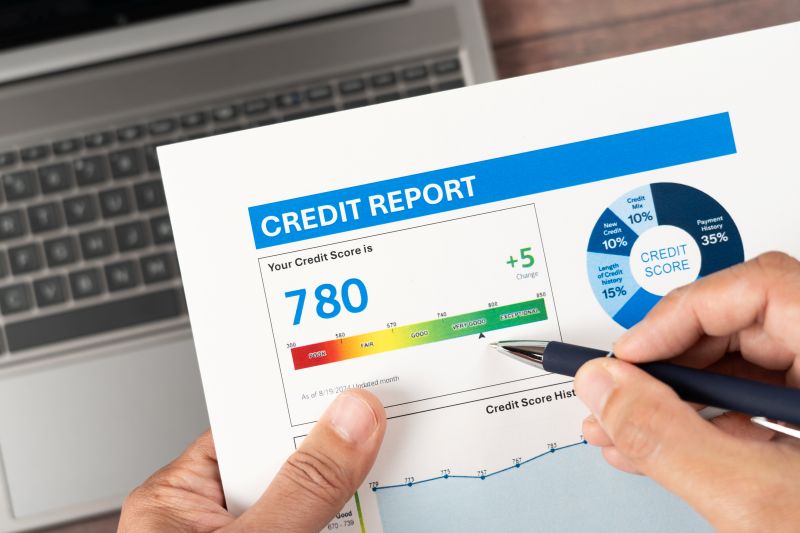
Alternative funding for bad credit is often the only realistic path when banks shut their doors and credit scores don’t tell the full story.
I remember sitting across from a lender years ago, watching them glance at a number on a screen and decide my entire financial future in seconds.
No context. No explanation. Just a polite rejection.
If you’re in a similar position, this guide breaks down what works, what doesn’t, and how to move forward strategically with smart alternative funding for bad credit.
That moment pushed me to explore options outside the traditional system and understand how real people secure funding when their credit isn’t perfect.
Why Traditional Loans Fail Many Borrowers
Banks rely on strict approval models that leave little room for flexibility.
They prioritize credit scores, long histories, and rigid financial benchmarks.
This system works for low-risk borrowers but excludes many capable individuals.
I’ve seen people with steady income get declined simply because of one missed payment years ago.
That’s where non-bank funding options step in.
They look at your present situation instead of only your past mistakes.
What Lenders Actually Evaluate Today
Alternative lenders still assess risk, but their approach is more practical.
They care about your ability to repay now, not just your past behavior.
Cash Flow Consistency
Regular income is one of the strongest indicators of reliability.
Even modest but steady deposits can strengthen your application.
Bank Statement Health
Lenders often review your last 60 to 90 days of banking activity.
Clean records with fewer overdrafts improve your chances.
I once secured funding based solely on consistent deposits over three months.
Employment or Business Stability
Proof that you have a stable income source builds trust.
Even part-time or freelance work counts if it’s consistent.
Payment Behavior Trends
Recent financial discipline matters more than old mistakes.
If you’ve been paying bills on time lately, it works in your favor.
Funding Options That Work When Credit Is Low
Not all financing paths are equal.
Some are flexible and accessible, while others come with higher costs.
Here are the most realistic options people actually use.
Merchant Cash Advances
This is common for businesses with daily sales.
Repayment adjusts based on revenue, which helps during slow periods.
I used this once during a cash flow dip, and it kept operations running.
Revenue-Based Financing
Repayments are tied to a percentage of your earnings.
This makes it easier to manage during fluctuating income cycles.
It’s a strong option for freelancers and online entrepreneurs.
Peer-to-Peer Lending
Individuals fund your loan instead of banks.
Approval criteria are often more flexible if your story makes sense.
Invoice Financing
If clients delay payments, this converts invoices into immediate cash.
It’s especially useful for service-based businesses.
Secured Funding
Using an asset as collateral reduces risk for lenders.
This can increase approval chances and lower rates.
But it also comes with the risk of losing the asset.
How to Improve Approval Odds Fast
Getting approved isn’t just about applying.
It’s about preparing your financial profile first.
Clean Up Recent Activity
Focus on the last few months of financial behavior.
Avoid overdrafts and make payments on time.
Pay Down Small Debts
Clearing minor balances improves your overall financial picture.
It also shows responsibility.
Organize Income Proof
Have bank statements, invoices, or payslips ready.
Make it easy for lenders to verify your income.
Apply Strategically
Avoid submitting multiple applications at once.
Choose lenders that match your financial situation.
Mistakes That Can Hurt Your Chances
Many rejections happen because of simple errors.
I’ve made some of these myself and learned the hard way.
Applying Without Preparation
Incomplete applications lead to quick denials.
Preparation makes a significant difference.
Ignoring Costs and Terms
Some options come with high fees.
Understanding repayment terms is critical before accepting funds.
Borrowing Too Much
Taking more than you can handle creates long-term stress.
Start small and scale when needed.
Choosing the Wrong Option
Each funding type serves a specific purpose.
Picking the wrong one can lead to repayment issues.
A Real Experience That Changed My Approach
After multiple bank rejections, I stopped chasing traditional approval.
Instead, I focused on improving what I could control.
I stabilized my income, reduced unnecessary expenses, and maintained clean banking activity.
After a few months, I applied for a funding option that prioritized cash flow.
The approval came quickly.
The amount wasn’t massive, but it was enough to regain control.
That experience shifted my mindset completely.
Funding isn’t about fitting into a rigid system.
It’s about finding a solution that matches your current situation.
When This Type of Funding Makes Sense
This financing approach is not just for emergencies.
It can be used strategically in different scenarios.
Managing Short-Term Gaps
Unexpected expenses can disrupt your finances.
Quick funding helps maintain stability.
Seizing Growth Opportunities
Sometimes you need capital to expand.
Waiting for perfect credit can delay progress.
Rebuilding Financial Momentum
Responsible repayment can improve your financial standing over time.
Final Thoughts on Getting Approved
Qualifying for alternative funding for bad credit is about showing lenders that you are reliable today.
They are not expecting perfection.
They are looking for consistency, stability, and responsible behavior.
If you focus on improving cash flow, organizing your finances, and choosing the right funding option, approval becomes much more achievable.
Use funding as a tool, not a crutch.
Handled wisely, it can help you move forward instead of holding you back.
Also read: Small Business Finance – Finding the Right Mix of Debt and Equity
Image source: elements.envato.com