Click here to get this post in PDF
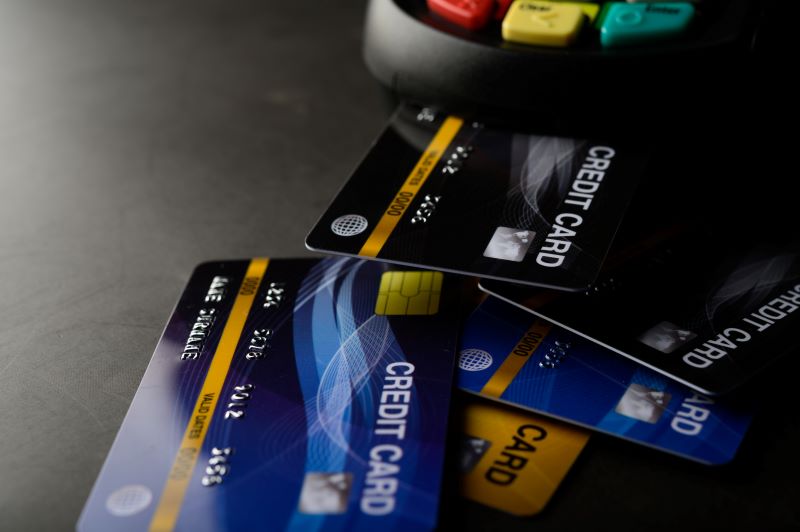
Switching credit cards is a smart financial decision, but when and how you do it matters. Many people switch to a card with no annual fee to save money, but worry about their credit score. A carefully planned switch causes as little trouble as possible and can sometimes even improve your credit over time.
Understanding what affects your credit score
Before making any change, it helps to know what impacts your credit score. In India, credit bureaus calculate scores using several factors:
- Payment history: Whether you pay dues on time
- Credit utilisation: How much of your total available limit you are using
- Credit age: How long your accounts have been active
- Enquiries: A record of each time a lender checks your credit report after you apply for a credit card or a loan
Closing an old card or opening a new one affects at least two of these factors. Understanding this helps you act in a way that protects your score.
Upgrade or convert before you consider closing
The safest route is to ask your existing card issuer if they offer a product switch to a no-fee variant. Many banks allow cardholders to convert to a different card within the same issuer without closing the account.
This approach preserves:
- Your account’s age
- Your existing credit limit
- Your repayment history on that account
No new hard check is done, and your credit usage stays the same. This is the least disruptive option.
Check your credit utilisation before closing any card
If a direct conversion is not available, you may need to close your current card and open a new one. Before doing so, review your overall credit utilisation ratio.
For example, if your balance payable is ₹60,000 across all cards and your total credit limit is ₹3,00,000, you are using 20% of your available credit. If you close a card with a ₹1,00,000 limit, your total limit drops to ₹2,00,000. Now, the same ₹60,000 debt is 30% of your smaller limit, which can lower your score for a while.
To manage this:
- Pay down existing balances before closing the card
- Request a limit increase on your remaining cards if possible
- Avoid closing multiple cards at the same time
Time your application
When you apply for credit card, issuers conduct a hard inquiry on your credit report. Each hard pull can reduce your score by a few points, and multiple enquiries within a short period signal credit-seeking behaviour to lenders.
To minimise this impact:
- Space out applications by at least three to six months
- Avoid applying for other loans or cards around the same time
- Check your credit report beforehand to make sure there are no existing errors
What to look for in a no-fee card
When evaluating the best lifetime free credit card, focus on features that align with how you spend. A card that suits your habits delivers more value than one with a long list of benefits you will never use.
Key features worth comparing:
- Reward rate on categories spent in most (e.g. groceries, fuel, dining)
- Cashback or points redemption flexibility
- Zero joining fee and zero annual fee, confirmed in writing
- Clear fee schedule with no hidden charges for add-on services or card replacement
Some cards waive the annual fee only if you meet a minimum annual spend. Confirm whether the ‘lifetime free’ offer is unconditional or has usage conditions before you decide.
Conclusion
The best lifetime free credit card is one that costs nothing to hold and gives benefits that align with how you already spend. Switching to one does not have to come at the cost of your credit health. By converting within the same issuer where possible, managing your utilisation before closing any account, and spacing out new applications sensibly, you can make the transition with minimal score impact.
Also read: Explore Refer and Earn Program by FIRST SWYP EMI Credit Card
Image source: elements.envato.com