Click here to get this post in PDF
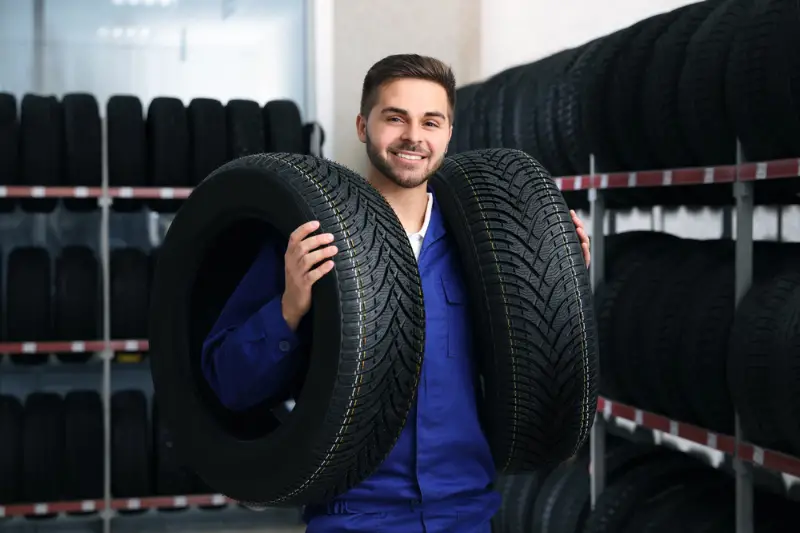
Tyres play a pivotal role in the movement of a car. The current urban life has changed the way we view and maintain our vehicles. Most people focus more on the exterior looks to give their cars an appealing view. As they focus more on such appearance, the tyres that are fundamental parts of the vehicles are left to the road’s mercy.
It would be best to learn some tips to ensure you keep your tyres in the right shape and use them for the longest time possible. You will also find out that applying these tips will enable you to cut the costs of spending so much on getting new tyres almost every time your tire is worn out.
1. Efficient Change of Tyres
Tyres should be changed at the right time, and experts recommend that you change them about 6-10 years. 6 years is the ideal time to change your tyres and ensure you don’t exceed the 10-year mark. Some tyres cannot reach the ten years of usage and ensure that the manufacturers recommend that number of years. Shop tyres that will serve efficiently within this duration.
The tyres have components such as the anti-oxidizing chemical mixture that help them last for the longest time. The compound is responsible for the slowed aging of the tyres with untreated rubber. As you continue using the tyres, they deteriorate over time due to tear and wear. After some time, the tyre will be susceptible to malfunction.
Equally important, most manufacturers indicate dates on the side of the tyres. Don’t take these markings for granted. They will show you when it is ideal for getting new ones for your car.
2. Check Your Air Pressure Regularly
Your tyres need the right amount of air pressure every time you go on a ride. It not only keeps them safe for the longest time, but it also helps you avoid any frequent punctures you may get while on your trips. Perfect air pressure will also improve your car’s fuel efficiency, allowing you to save a lot of cash. It would be best to keep up with your manufacturer’s instructions on your car tyres’ usage to ensure efficient general performance.
Any tire that is overinflated or underinflated affects the performance of the tire. If you inflate tyres excessively, the contact with the ground surface is minimal, leading to the sidewall’s decrease. Also, a tyre with less pressure will cause the sidewall flex, and you will have a challenging time handling your car activities.
3. Don’t Mix and Match Tyres.
Most passenger cars have radial tyres. To be on the safe side and keep your tyres efficient, ensure you use tyres of the same shape and size. Most car manufacturers also give instructions on tire sizes to be applied to the vehicle’s front and rear. Check the manufacturer’s handbook after purchase to ensure you have the right information for purchasing your tyres.
4. Ensure You Align Your Wheels Perfectly
For perfect maintenance of your wheels/rims, you need to have the right wheel alignment with the right angle of adjustment, as you will find indicated in the car handbook. These alignments are put to maximize the life of your tire. As long as you drive your car carefully and don’t misuse your tyres, you are sure of using them for the longest time. Do wheel alignment after every 5,000 kilometres of travel or when you feel lopsided. If you need tyre alignment Brisbane, Hacketts Discount Tyres can assist.
5. Store Your Tyres Safely
Efficient storage of new tyres is essential to their lifespan. Before storage, clean them efficiently, then choose a position that may be standing straight, against something, or lying down on the floor. The place should be cool and dry. Also, keep your tyres away from chemicals and any corrosive substances. Furthermore, keep them away from heat.
6. Drive Carefully and Smoothly
How many times do you drive fast and harshly, and then you need to apply emergency brakes? Breaking puts all the pressure on your wheels. For you to maximize the life of your tyres, ensure you drive carefully and apply emergency brakes less often. Also, moving at high speeds puts your life and other road users at risk.
7. Rotate Tyres Regularly
It would be best to rotate tires after every 5000 kilometres. However, don’t hesitate to rotate them when you have an uneven tear and wear on the wheels. It’s an essential duty to help them wear evenly and to ensure no tire is overworked.
Conclusion
Car tyres are a vital asset to your car. Keep them maintained and in a safe condition to ensure you pose no accident risks and use them for the longest time.
You may also like:
Modifying Your Car With Value In Mind
Auto Industry Insider: Top 10 Most Influential Cars of the Decade