Click here to get this post in PDF
Overcoming Operational Friction with Modern B2B Business Solutions

In today’s business environment, operational efficiency is not just a goal; it’s a necessity. Small and mid-sized companies, in particular, often grapple with limited resources, making every dollar and hour count. This is where modern B2B business solutions step in, offering a strategic pathway to streamline core operations, significantly reduce costs, and free up valuable internal resources to focus on growth initiatives. By outsourcing or adopting specialized tools for functions such as bookkeeping, payroll, and administrative support, businesses can transform their operations. These solutions provide the structure and expertise needed to manage essential tasks without the overhead of full-time staff, enabling greater agility and allocating resources to strategic objectives. For businesses seeking comprehensive, tailored support, exploring options from providers of Expert B2B business solutions can be a crucial step toward optimizing their operations and achieving sustained success.
Core Administrative B2B Business Solutions for Small Businesses
Small businesses often find themselves overwhelmed by the sheer volume of administrative tasks that detract from their core mission. Modern B2B solutions offer a suite of services to efficiently manage these critical yet time-consuming functions.
- Bookkeeping and Financial Management: Accurate financial records are the bedrock of any successful business. B2B bookkeeping services ensure precise reconciliations, monthly reporting, and adherence to financial best practices. This not only provides clear insights into financial health but also simplifies tax preparations.
- HR Solutions and Payroll Administration: Managing human resources, including employee relations, policy development, and compliance, can be complex. Payroll administration, encompassing tax filings, direct deposit, and records management, demands meticulous attention to detail and up-to-date knowledge of regulations. Outsourcing these functions guarantees accuracy and compliance, mitigating potential legal and financial risks.
- Administrative Support: From virtual assistance to day-to-day operational support, administrative solutions can handle a wide array of tasks. This includes document creation, development of Standard Operating Procedures (SOPs), and management of proposals and employee handbooks, ensuring consistency and professionalism across all business communications.
- Legal and Regulatory Compliance: Services such as LLC registration and registered agent services are fundamental to establishing a business’s legal standing. These solutions ensure businesses meet state-specific requirements, providing a solid operational foundation and enhancing credibility with clients and partners.
By leveraging these administrative B2B solutions, companies can significantly reduce their operational burden, allowing their teams to concentrate on innovation, customer engagement, and market expansion.
Navigating the Complexities of the Modern B2B Sales Cycle
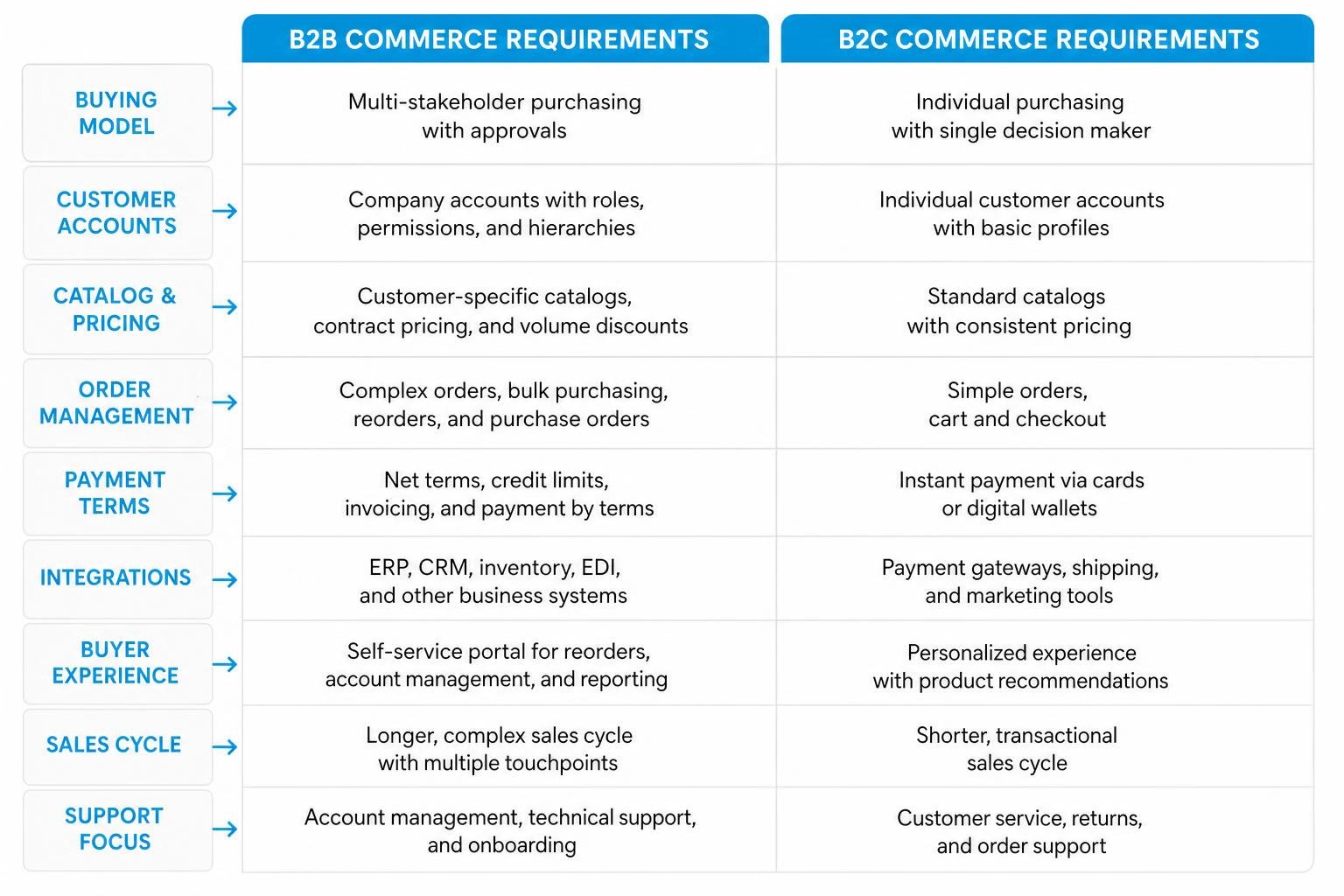
The B2B sales cycle is inherently more intricate and protracted than its B2C counterpart. It often involves multiple stakeholders, extensive negotiations, and a strong emphasis on long-term relationships. Understanding and effectively navigating these complexities is paramount for B2B businesses.
- Buying Committees: Unlike individual consumers, B2B purchases typically involve a buying committee comprising various decision-makers, each with different priorities and concerns. Sales strategies must address the needs of technical users, financial approvers, and executive sponsors alike.
- Longer Sales Cycles: The lengthier sales cycles in B2B necessitate patient, persistent engagement and a deep understanding of the client’s business challenges. This requires ongoing relationship nurturing, often spanning months or even years, before a deal is finalized.
- Customer Retention and Relationship Nurturing: Given the high value and complexity of B2B transactions, customer retention is critical. Post-sale support, ongoing communication, and demonstrating continuous value are essential for fostering loyalty and securing repeat business.
- Risk Management and Customer Dependence: B2B relationships often involve significant financial commitments and strategic dependencies. Businesses must manage the risks associated with customer concentration and ensure robust account management to maintain strong, mutually beneficial partnerships.
Successful B2B companies invest in strategies that build trust, provide clear value, and demonstrate a deep commitment to their clients’ success throughout the entire sales and post-sales journey.
Unifying Marketing and Technology for Scalable B2B Growth

The digital age has fundamentally reshaped how B2B companies connect with their target audience. Digital transformation isn’t just about adopting new tools; it’s about fundamentally rethinking processes, customer interactions, and data utilization. Modern B2B growth hinges on the seamless integration of marketing and technology, leveraging platforms like Customer Data Platforms (CDPs) and CRM systems to create unified customer profiles and deliver personalized experiences at scale. The landscape of marketing technology is vast, with over 8,000 martech platforms available in July 2026, highlighting the imperative for businesses to strategically select and integrate solutions that drive efficiency and enhance customer engagement. For those looking to optimize their outreach and engagement, partnering with providers of Intelligent B2B marketing solutions can provide the expertise needed to navigate this complex technological environment effectively.
Account-Based Marketing and Personalized B2B Business Solutions
Account-Based Marketing (ABM) has emerged as a cornerstone of modern B2B growth strategies, shifting the focus from broad lead generation to targeting specific, high-value accounts with tailored campaigns.
- Strategic Targeting: ABM involves identifying key accounts that align perfectly with a business’s ideal customer profile. This precision allows for highly personalized engagement, making every marketing and sales effort more impactful.
- Enhanced Customer Lifetime Value and Win Rates: Practitioners report significant benefits from ABM. A remarkable 86% of ABM users report improved win rates, while 80% see increased customer lifetime value. This underscores ABM’s effectiveness in fostering deeper, more profitable relationships.
- Personalized Engagement: ABM thrives on understanding buyer personas within target accounts and delivering highly relevant content and messaging. This personalization, often powered by first-party data and marketing automation, ensures that interactions resonate deeply with decision-makers.
- Sales and Marketing Alignment: ABM requires close collaboration between sales and marketing teams to ensure alignment on target accounts, messaging, and engagement strategies. This unified approach maximizes impact and accelerates the sales cycle.
By focusing resources on the accounts that matter most, ABM drives efficiency, improves conversion rates, and builds stronger, more enduring customer relationships.
Optimizing the Buyer Experience with Self-Service Portals and eCommerce
The expectations of B2B buyers have evolved, mirroring the convenience and personalization they experience as consumers. They demand seamless, digital interactions, making B2B eCommerce platforms and self-service portals indispensable.
- Digital-First Preference: A significant 80% of B2B buyers now prefer ordering or paying through digital commerce channels. This preference highlights the necessity for robust online platforms that cater to their needs.
- Enhanced Buyer Experience: B2B eCommerce platforms, such as those offered by Shopify, enable manufacturers, distributors, and wholesalers to provide a user-friendly, self-serve experience. This includes features such as customer-specific catalogs, custom pricing, quantity rules, and volume pricing, which are critical for complex B2B transactions.
- ERP Integration: Seamless integration with Enterprise Resource Planning (ERP) systems is vital. This ensures real-time inventory updates, accurate order processing, and streamlined financial management, providing a single source of truth across operations.
- Cost Reduction and Efficiency: Self-service portals empower buyers to manage their orders, track shipments, and access account information independently, reducing the burden on sales and customer service teams. Some platforms report up to 33% more self-serve orders within 12 months of adoption and significantly lower total cost of ownership compared to traditional solutions.
- Risk of Digital Shortcomings: The stakes are high; 90% of B2B buyers would switch to a competitor if a supplier’s digital channel falls short. This emphasizes the critical role of a superior online experience in retaining customers and fostering loyalty.
The rise of B2B eCommerce is transforming procurement, making it faster, more transparent, and more efficient for both buyers and sellers.
Leveraging AI and Multichannel Communication to Drive Efficiency
In July 2026, the integration of Artificial Intelligence (AI) and multichannel communication strategies is no longer a luxury but a core component of B2B operational efficiency and customer engagement.
- Generative AI for Automation: Generative AI is revolutionizing tasks like intelligent data extraction, automat converting order details from emails, PDFs, and spreadsheets into actionable data. This significantly reduces manual effort and accelerates order processing.
- Automated Order Management: AI-powered solutions enable automated order creation, instant confirmations, and reorder automation, streamlining the entire purchasing journey for B2B buyers.
- Multichannel Engagement: Modern B2B buyers expect to interact through their preferred channels. Solutions that integrate with platforms like WhatsApp for B2B, Slack, and Teams enable real-time engagement, order status updates, and delivery ETA checks directly within familiar communication environments.
- Internal Collaboration: These multichannel tools also foster better internal collaboration for sales teams, enabling them to manage quotes and reorders efficiently without switching between multiple applications.
- Digital Transaction Growth: The shift to digital is undeniable, with 65% of B2B companies across industries now fully transacting online. This trend reinforces the need for integrated, AI-driven communication solutions that meet buyers where they are.
By embracing AI and multichannel communication, B2B companies can enhance customer experiences, reduce operational friction, and drive significant growth.
Mitigating Risk Through Strategic Compliance and Professional Networks

Beyond operational efficiency and marketing prowess, the foundation of a resilient B2B business lies in a robust compliance framework and strong professional networks. In an increasingly regulated and interconnected world, proactive risk mitigation is paramount. This involves not only adhering to legal and ethical standards but also cultivating relationships that offer support, insights, and referral opportunities. Compliance training, in particular, plays a critical role in shaping workplace culture and protecting businesses from legal repercussions. For example, ensuring that employees receive comprehensive Online B2B harassment courses is a fundamental step in fostering a respectful, legally compliant work environment.
Elevating Workplace Culture with Modern Compliance Training
Compliance training has evolved beyond a mere checkbox exercise. Modern solutions leverage technology and expert content to drive genuine behavior change, mitigate risks, and foster a positive workplace culture.
- Comprehensive Coverage: Effective training addresses a wide range of critical topics, including harassment prevention, managing bias, workplace safety, data privacy, and ethical conduct. These courses are often tailored to specific state and provincial requirements, ensuring relevance and legal soundness.
- Learning Management Systems (LMS): Advanced LMS platforms provide the infrastructure to deliver, track, and manage compliance training at scale. They offer features like role-based assignments, automated reminders, and integration with HRIS systems, simplifying administration for large organizations.
- AI-Powered Customization and Analytics: AI is transforming compliance training by enabling customized content creation and embedding risk analytics. AI agents can identify training gaps based on real risk signals and policies, while embedded “risk pulse check” questions provide real-time insights into workforce sentiment.
- Measurable Impact: Modern compliance training aims for measurable outcomes, such as reduced employee relations (ER) claims and improved workplace behaviors. Companies using these solutions report high course completion rates, significant reductions in unhealthy behaviors, and high learner satisfaction.
- Audit Readiness: Robust platforms offer comprehensive reporting capabilities, including real-time dashboards and bulk-exportable certificates, ensuring businesses are audit-ready at all times. This transparency is crucial for demonstrating due diligence and accountability.
By investing in dynamic, engaging, and data-driven compliance training, businesses not only fulfill their legal obligations but also cultivate a more ethical, inclusive, and productive work environment.
Building Resilient Professional Networks and Measuring Technology ROI
Beyond internal operations, external relationships and strategic investments are vital for sustained B2B growth.
- Professional Networks and Referral Partnerships: Building a strong professional network provides invaluable peer support, access to collective wisdom, and a steady stream of quality referrals. These networks can offer actionable insights, help navigate business challenges, and foster collaboration, creating a community of trusted peers.
- Measuring Return on Investment (ROI): In an era of significant technology investments, measuring the ROI and effectiveness of solutions, marketing campaigns, and technology adoptions is paramount. Businesses must define clear Key Performance Indicators (KPIs) to evaluate success.
- Operational Efficiency: Metrics like faster partner onboarding (e.g., 55% faster), fewer unplanned outages (e.g., 59% fewer), and faster document delivery (e.g., 48% faster) demonstrate the direct impact of integrated B2B solutions.
- Financial Gains: Averages such as a 383% three-year ROI highlight the substantial financial benefits of strategic technology adoption.
- Total Cost of Ownership (TCO): Evaluating TCO, especially for platforms such as B2B eCommerce solutions, provides a holistic view of the long-term financial viability and savings.
- Customer Experience: Measuring customer satisfaction, retention rates, and the increase in self-serve orders reflects the impact of technology on buyer experience.
By strategically cultivating professional networks and rigorously measuring the effectiveness of their investments, B2B businesses can ensure they are making data-driven decisions that fuel long-term growth and resilience.
Also read: How Digital Banking Empowers Small Business Growth