Click here to get this post in PDF
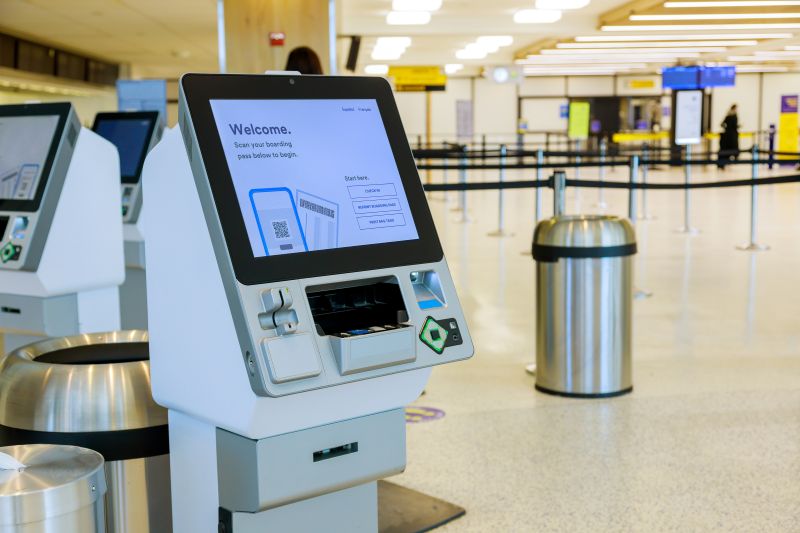
In a competitive retail and hospitality environment, brands increasingly invest in technology to enhance customer service and streamline key interactions. One such technology is the interactive kiosk: a digital terminal that allows users to obtain information, place orders, make payments, check in, or perform other tasks independently. Interactive kiosks have moved beyond novelty devices and are now core components of customer experience strategies for many organisations across the UK and internationally. This article explores how brands are deploying interactive kiosks to deliver faster, smarter customer engagement and examines the key benefits and considerations behind their adoption.
What Are Interactive Kiosks?
Interactive kiosks are self-service digital stations equipped with touchscreens and bespoke software that guide users through specific tasks. Depending on the design, they can allow customers to browse product catalogues, order food, check in for appointments or travel, and pay for goods without direct staff involvement. Although the basic concept has existed for decades, recent advances in touchscreen technology, cloud connectivity, and software customisation have made kiosks significantly more capable and adaptable.
The technology underpinning these systems enables real-time updates, remote content control, and analytics collection, meaning brands can tailor on-screen journeys and monitor usage patterns over time. Kiosks differ from passive displays in that they require and respond to user input, making them interactive points of engagement rather than static information boards.
Why Brands Are Investing in Interactive Kiosks
Several market pressures drive the adoption of interactive kiosk solutions among leading brands:
1. Improving Speed and Reducing Wait Times
One of the most immediate advantages of interactive kiosks is the reduction of queues and waiting periods. In sectors such as quick-service restaurants and retail, slow service can lead to abandoned purchases and diminished customer satisfaction. Kiosks enable customers to engage directly with the technology, completing tasks such as ordering, paying, or checking in in a matter of minutes, bypassing the need to queue for a staff member. This higher throughput not only improves the user experience but also increases overall system capacity during peak periods.
For example, self-service kiosks in fast-food environments allow diners to browse menus, configure orders, and pay without waiting for a cashier. The streamlined processes have been shown to serve more customers in the same operational timeframe.
2. Standardising Customer Journeys
Interactive kiosks can deliver consistent service interactions across sites and over time. Unlike human staff whose performance can vary, kiosks provide the same guidance, options, and workflow with each use. Standardisation ensures customers receive a predictable, reliable experience, which is critical for brands seeking to maintain uniform service levels across multiple locations. Technologies supporting kiosks often include cloud-based management platforms that enable centralised control of content and workflows.
For businesses with multiple branches or franchises, this consistency helps protect brand standards while reducing staff training burden. Updates to menus, pricing, policies or support information can be deployed simultaneously across an entire kiosk estate from a single interface.
3. Enhancing Upsell and Cross-Sell Opportunities
Interactive kiosks can present targeted upsell and cross-sell suggestions at key moments in the customer journey, such as when an order is being placed or during checkout. Digital screens can highlight promotions, suggest complementary products, or offer bundles based on purchasing trends. This dynamic content delivery can increase average basket values without additional staff effort.
For example, studies show that self-service kiosks, when configured with clear promotional messaging and navigable menus, can improve average order values by significant margins compared to traditional staff-assisted sales.
4. Freeing Staff for High-Value Interaction
Delegating routine or transactional interactions to kiosks can free staff to focus on more complex, interpersonal customer service tasks. In hospitality, for instance, employees freed from routine check-in work can spend more time resolving special requests, enhancing personal connections, or supporting guests in ways that only trained staff can. In retail, staff can focus on advising customers, managing inventory, or delivering personalised service.
This shift supports a more thoughtful allocation of human resources, with technology handling predictable tasks and staff handling nuanced service delivery.
Industry Use Cases for Interactive Kiosks
Interactive kiosks are being adopted across multiple sectors, each with particular use-case requirements:
Retail
Retail environments benefit from kiosks in several ways. Interactive kiosks enable shoppers to search for product information, check availability, access loyalty benefits, and complete purchases without assistance from a cashier. They can also support ‘endless aisle’ configurations, where customers browse the full online range from an in-store kiosk and arrange delivery or collection. Such solutions can mitigate space constraints on the shop floor while enriching the browsing experience.
In addition to sales support, kiosks can display personalised promotions based on customer interactions, creating a more tailored in-store environment that bridges online and offline shopping behaviour.
Hospitality and Quick Service Restaurants
In the hospitality sector, kiosks are widely used for self-check-in at hotels and self-ordering in restaurants. Guests can check in, choose rooms, arrange services, and complete key transactions without requiring reception staff. Likewise, in cafés and fast-food restaurants, customers use kiosks to place orders, modify selections, and pay directly, speeding up table turnover and reducing congestion during peak times.
These systems can integrate with back-of-house processes, such as kitchen display systems and payment terminals, ensuring orders are communicated efficiently and accurately.
Travel and Ticketing
In travel hubs, kiosks have become commonplace for ticketing, seat selection, check-in, and itinerary changes. They reduce dependency on desk staff and provide travellers with an expedited route through airport, train station, or coach terminal processes. Integration with digital wallets and mobile boarding passes further accelerates customer flow.
Designing Effective Kiosk Interactions
Deploying interactive kiosks is not simply a technology decision; it requires thoughtful design of customer journeys. For kiosks to foster faster and smarter interactions, brands must ensure:
- User-centred interfaces: Screens should be intuitive, minimise cognitive load, and support accessibility standards so that all users can complete tasks easily.
- Clear instructions and feedback: Users should always know what to do next, with on-screen cues that reduce errors and build confidence.
- Integration with existing systems: Kiosks should synchronise with inventory, payment, reservation, and loyalty platforms to ensure data flows accurately across the business.
- Analytics and optimisation: Usage data should inform refinements to the kiosk experience over time, helping brands to remove friction and tailor journeys to customer needs.
Conclusion
Interactive kiosks represent a practical convergence of digital convenience and physical service environments. By enabling customers to complete common tasks independently, they reduce wait times, standardise interactions, support operational efficiency, and create opportunities for upselling. Effective deployment hinges on attention to user experience design and robust technical integration with broader business systems.
As consumer expectations continue to evolve, interactive kiosks will remain a relevant and adaptable tool for brands seeking to make every customer interaction faster, smarter, and more satisfying. Solutions such as those showcased on illustrate how self-service systems can form part of a broader digital engagement strategy that enhances the customer journey across sectors, including retail, hospitality, and travel.
Also read: 5 Ways Your Restaurant Can Increase Sales Through A Self-Ordering Kiosk
Image source: elements.envato.com