Click here to get this post in PDF
The Evolution of Industrial Processing and Recycling Systems
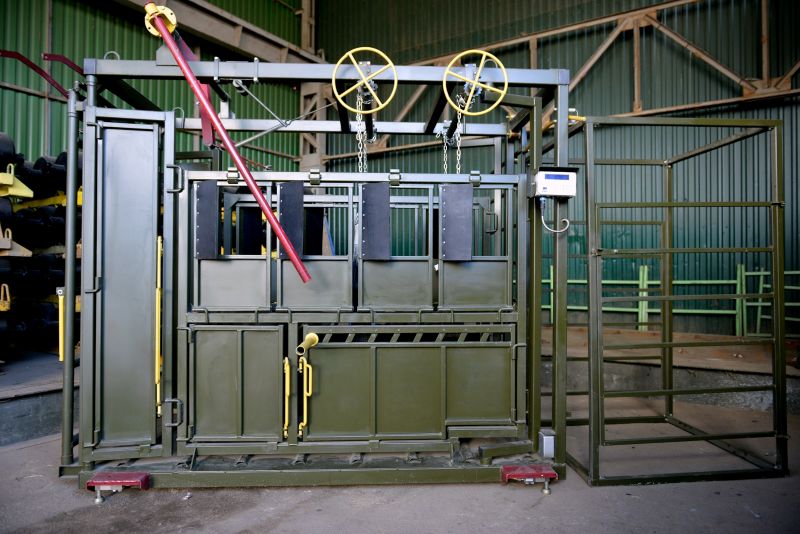
The journey from a linear “take-make-dispose” economy to a circular model is fundamentally reshaping industrial practices. Historically, industries focused on maximizing output, often viewing byproducts as mere waste generation to be managed. Today, however, the imperative to conserve resources, reduce environmental impact, and unlock economic value has driven a profound evolution in industrial processing and recycling systems.
This transformation is not merely about disposing of waste responsibly; it’s about seeing discarded materials as valuable feedstocks for new products. This approach significantly reduces the volume of materials sent to landfills, conserves finite natural resources, and plays a crucial role in mitigating greenhouse gas emissions. The shift towards a circular economy model is gaining traction, where products and materials are kept in use for as long as possible, extracting maximum value from them while in use, then recovering and regenerating products and materials at the end of each service life.
Common industrial recyclables span a wide array of materials, reflecting the diverse nature of manufacturing. These often include:
- Metals: Ferrous (iron, steel) and non-ferrous (aluminum, copper, brass, zinc) scraps from fabrication, machining, and end-of-life products.
- Plastics: Off-cuts, sprues, rejected parts, and packaging from various polymer types (PET, HDPE, PVC, LDPE, PP, PS).
- Paper and Cardboard: Packaging, office waste, and process waste from printing and packaging industries.
- Glass: Broken bottles, rejected containers, and industrial glass waste.
- Chemicals: Solvents, oils, and other process chemicals that can be reprocessed or purified for reuse.
- Organic Waste: Food scraps, agricultural byproducts, and biomass from food processing and other industries.
- E-waste: Components from electronic equipment, which contain valuable metals and other reclaimable materials.
The environmental benefits of recycling these materials are substantial, particularly in terms of energy savings, as illustrated in the table below:
Table: Energy Consumption Comparison: Virgin vs. Recycled Materials
Material Energy Saved by Recycling (vs. Virgin Production) Aluminum 95% Steel 74% Copper 85-90% (estimated) Plastic Up to 80% (varies by type) Glass Up to 30% Paper 60-70% These figures highlight the profound impact industrial recycling has on reducing the energy footprint of manufacturing.
The Economic and Environmental Impact of Industrial Processing and Recycling
The benefits of robust industrial recycling programs extend far beyond environmental conservation, creating significant economic advantages. EPA reports indicate that recycling and reuse activities are powerful economic drivers. In the United States alone, these activities account for hundreds of thousands of jobs, billions in wages, and substantial tax revenues annually. Specifically, recycling and reuse generate 757,000 jobs, $36.6 billion in wages, and $6.7 billion in tax revenues in a single year. This translates to approximately 1.57 jobs, $76,000 in wages, and $14,101 in tax revenues for every 1,000 tons of material recycled. The scrap processing industry, a cornerstone of industrial recycling, contributes over $105 billion in economic activity annually across the United States and supports nearly half a million jobs.
Beyond job creation, industrial recycling offers businesses direct cost savings. By diverting materials from landfills, companies can significantly reduce their waste disposal fees. Furthermore, using recycled materials as feedstocks can lower raw material procurement costs, as they are often less expensive than virgin resources. This contributes to a more resilient supply chain, less dependent on volatile global commodity markets.
Environmentally, the impact is equally compelling. Industrial recycling programs in the U.S. have successfully diverted over 75 million tons of materials from landfills each year. This massive diversion conserves landfill space and prevents the pollution associated with waste decomposition. The energy savings are particularly striking: recycling aluminum uses 95% less energy than producing it from raw materials, while recycling one ton of steel saves 642 kWh of energy, which is about 74% less than producing new metal from ore. For each ton of steel recycled, approximately 2,500 pounds of iron ore, 1,400 pounds of coal, and 120 pounds of limestone are saved. These energy reductions directly translate to reduced greenhouse gas emissions. In a recent year, recycling and composting prevented the release of approximately 186 million metric tons of carbon dioxide equivalent into the atmosphere.
The economic and environmental benefits are intertwined, fostering a more sustainable and prosperous industrial ecosystem. From Industrial auto recycling processing to large-scale chemical waste recovery, the principles remain the same: extract value, minimize waste, and protect our planet. Understanding The U.S. Recycling System in its entirety, including its challenges and opportunities, is crucial for optimizing these processes.
Key Stages in the Industrial Processing and Recycling Workflow
The industrial recycling process is a sophisticated series of steps designed to transform discarded materials into valuable resources. While specific procedures vary depending on the material, a general workflow can be outlined:
- Collection: The initial stage involves gathering waste materials from industrial facilities. This can range from dedicated bins for segregated materials on a factory floor to specialized pickup services for bulk scrap. Efficient collection systems are crucial for maintaining material purity and reducing logistical costs. Many companies partner with waste management or recycling firms for this step, ensuring proper handling and transport.
- Sorting: Once collected, materials undergo rigorous sorting to separate different types and grades. This is a critical step for ensuring the quality of the recycled output. Manual sorting is often used for bulky or mixed items, but advanced technologies are increasingly prevalent. For metals, magnetic separators extract ferrous materials, while eddy current separators are highly effective in recovering non-ferrous metals like aluminum and copper. Optical sorting systems use sensors and robotic arms to identify and separate plastics by polymer type or color.
- Mechanical Processing: After sorting, materials are often subjected to mechanical processing to reduce their size and prepare them for subsequent stages. This can involve:
- Shredding: Breaking down large items into smaller, more manageable pieces.
- Shearing: Cutting metal sheets or profiles.
- Baling/Compacting: Compressing materials like paper, cardboard, or plastic film into dense blocks for easier transport and storage.
- Granulating: Further reducing plastic or rubber into small granules.
- Cleaning and Purification: Contaminants can significantly reduce the quality of recycled materials. This stage involves various cleaning methods, such as washing, drying, and chemical treatments. For certain materials, like plastics, this might involve hot washing to remove labels and adhesives. For chemical waste, processes like distillation or filtration might be employed to recover valuable components. In many industrial applications, precise Engineering industrial drying process is vital to remove moisture from materials, ensuring they meet specifications for further processing or storage, especially for plastics or biomass. Similarly, advanced evaporation, distillation, and separation technologies are crucial for recovering solvents or purifying chemical waste streams.
- Melting (for metals and some plastics): Metals are melted in furnaces, while some plastics are melted and extruded. This process allows for the removal of remaining impurities and the formation of a homogeneous material.
- Solidification: The molten material is then cast into new forms, such as ingots, billets, or pellets, ready for remanufacturing.
- Remanufacturing: The final step involves using the processed recycled materials to create new products. This completes the circular economy loop, transforming what was once waste into valuable goods.
The entire workflow relies on sophisticated Waste processing technology and often involves specialized equipment, from thermal drying and solidification systems to advanced separation units. Companies that specialize in chemical processing equipment are often at the forefront of developing solutions for complex industrial waste streams.
Advanced Technologies: AI Sorting and IoT Monitoring
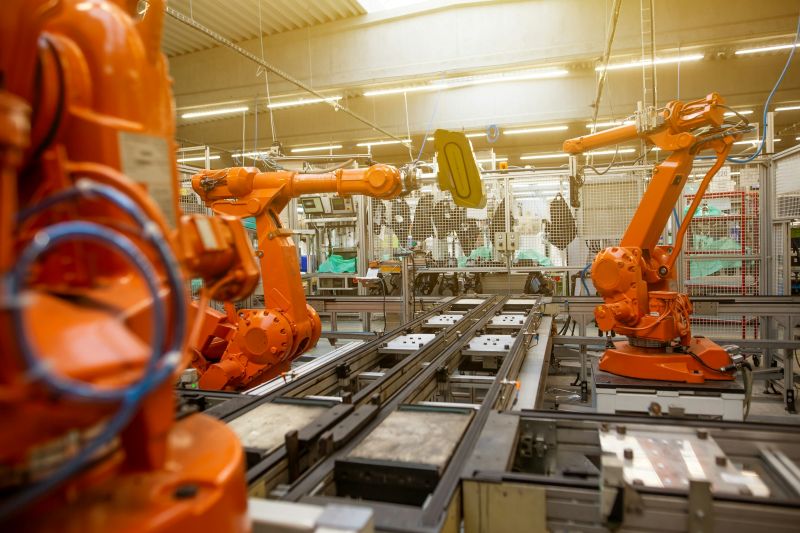
The industrial recycling sector is undergoing a technological revolution, with artificial intelligence (AI) and the Internet of Things (IoT) leading the charge. These innovations are dramatically improving efficiency, purity, and overall recovery rates, moving us closer to true urban mining of valuable resources from waste.
AI Sorting: Traditional sorting methods, whether manual or mechanical, often struggle with complex mixed waste streams and achieving high purity levels. AI-powered sorting systems, however, are transforming this stage.
- NIR Technology: Near-infrared (NIR) technology is a cornerstone of advanced sorting, especially for plastics. These sensors can identify different types of plastics based on their unique polymer structures by analyzing reflected light. This allows for rapid and accurate separation, crucial for producing high-quality recycled plastic pellets.
- Machine Learning and Robotics: AI algorithms, trained on vast datasets of material types, enable robotic arms to identify, pick, and separate materials with unprecedented speed and accuracy. These robots can distinguish between different grades of plastic, various metals, and even separate composite materials. This is particularly effective for 3D materials like construction and demolition waste, where robots can handle irregular shapes and sizes. The ability to learn and adapt means these systems continuously improve their sorting capabilities over time. Blue Recycled Materials are increasingly relying on such technologies to ensure material quality.
IoT Monitoring: The integration of IoT devices brings real-time data and connectivity to the recycling plant floor, enabling smarter operations.
- Real-time Monitoring: Sensors placed throughout the processing line can monitor equipment performance, material flow, and environmental conditions. This data provides operators with immediate insights, allowing them to optimize processes and prevent bottlenecks.
- Predictive Maintenance: By continuously monitoring equipment health, IoT systems can predict potential failures before they occur. This enables proactive maintenance, reducing downtime, extending equipment lifespan, and ensuring continuous operation.
- Data Analytics and Optimization: The vast amounts of data collected by IoT sensors are fed into analytical platforms. These platforms use machine learning to identify patterns, optimize sorting parameters, and improve overall plant efficiency. For instance, data analytics can pinpoint areas of high contamination or identify opportunities for energy savings.
- Blockchain Traceability: Emerging applications of blockchain technology in recycling offer enhanced transparency and traceability of materials. This can verify the origin and composition of recycled content, increasing trust in the supply chain and potentially commanding higher market value for recycled goods.
These advanced technologies not only boost the efficiency of industrial recycling but also enable the recovery of materials that were previously difficult or impossible to recycle economically. They are critical for industries that rely on precise material separation, such as pharmaceutical manufacturing or nutraceutical production, where purity is paramount.
Strategic Implementation and Future Trends in Resource Recovery
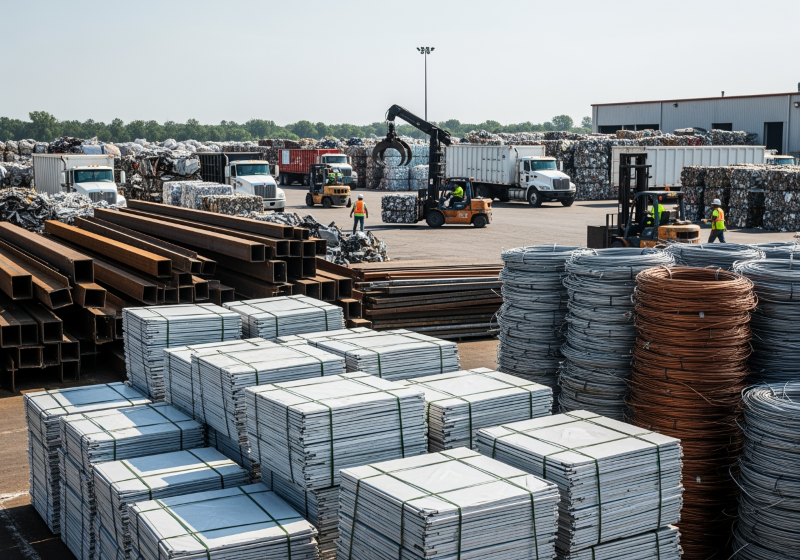
Implementing effective industrial recycling programs requires a strategic approach that goes beyond simply placing recycling bins. It involves a holistic view of waste generation, resource recovery, and continuous improvement.
Overcoming Challenges in Manufacturing Waste Management
Manufacturers face several hurdles in establishing and optimizing their recycling initiatives:
- Complex Waste Streams: Industrial facilities often generate diverse and sometimes hazardous waste streams, making segregation and processing challenging.
- Contamination: Improper sorting at the source can lead to contamination, reducing the value and recyclability of materials.
- Initial Capital Costs: Investing in new infrastructure, specialized equipment, and advanced sorting technologies can require significant upfront capital.
- Infrastructure Lag: The existing recycling infrastructure may not be sufficient to handle evolving industrial waste streams or achieve desired purity levels.
- Market Fluctuations: The demand and price for recycled commodities can fluctuate, impacting the economic viability of recycling programs.
- Supply Chain Integration: Integrating recycled content back into the manufacturing process or finding reliable markets for processed materials can be complex.
- Regulatory Compliance: Navigating a patchwork of local, state, and federal regulations for waste management and recycling can be daunting. Facilities in areas like Tonawanda, NY Industrial Metal Recycling or New York, NY | Industrial and Manufacturing must adhere to specific regional guidelines.
To address these challenges, companies often need to conduct thorough waste audits to understand their waste composition and identify opportunities for reduction and recycling. Source reduction strategies, such as lean manufacturing principles and process optimization, are the most effective way to minimize waste at its origin. Infrastructure investment in on-site sorting equipment, balers, or compactors can streamline operations. Employee engagement through training and incentives is also crucial, as well as partnering with specialized recycling companies. For example, managing Industrial Food Waste Services requires specific expertise and equipment.
Best Practices for Scrap Metal and Material Recovery
Scrap metal processing is a prime example of efficient industrial recycling. Best practices ensure maximum recovery and high-purity outputs:
- Segregation at Source: The most effective practice is to separate different types of metals and other materials at the point of generation. This minimizes contamination and reduces the effort required in later sorting stages.
- Specialized Equipment: Facilities utilize a range of specialized equipment. Magnetic separation is fundamental for extracting ferrous metals. Shredders, shears, and balers reduce the size and volume of scrap, making it easier to handle and transport. Large-scale operations often employ hoists and chain blocks provide additional lifting capacity for heavy items.
- Advanced Sorting: Beyond magnetic and eddy current separators, optical sorting systems, X-ray transmission (XRT), and density separation are used to achieve extremely high purity levels for specific metals and alloys.
- Quality Control: Strict quality control measures are implemented throughout the process to ensure that the processed scrap meets the specifications of steel mills and foundries. This includes analysis of chemical composition and physical properties.
- Closed-Loop Systems: Where possible, companies establish closed-loop systems where scrap generated during manufacturing is directly fed back into their own production processes, minimizing external transport and processing costs.
Understanding the Scrap Processing: Key Steps, Benefits, and How Metal Recycling Powers a Sustainable Economy is crucial for any industrial facility. A comprehensive Metal Recycling Plant: A Guide to the Process, Equipment, and Circular Economy can provide further insights into optimizing these operations.
Measuring Progress and the Circular Economy
Effective industrial recycling programs demand continuous measurement, monitoring, and reporting to demonstrate progress and identify areas for improvement.
- Performance Metrics: Key performance indicators (KPIs) include diversion rates (percentage of waste diverted from landfills), recycling rates (percentage of waste recycled), material purity, and energy savings.
- Net Cost Analysis: Evaluating the economic impact involves tracking disposal costs versus revenue generated from recycled materials, factoring in operational expenses.
- Sustainability Reporting: Companies are increasingly expected to report on their environmental performance, including recycling efforts, as part of their corporate social responsibility (CSR) initiatives. This transparency builds trust with stakeholders and consumers. Stanford University research often highlights the importance of such metrics.
The ultimate goal of industrial processing and recycling is to contribute to a fully functioning circular economy. This involves:
- Closed-Loop Systems: Designing products and processes so that materials can be recycled indefinitely into the same or similar products.
- Product Take-Back Programs: Manufacturers taking responsibility for their products at the end of their life, facilitating their collection and recycling.
- Eco-Design: Integrating recyclability and the use of recycled content into product design from the outset.
The future of industrial processing and recycling is dynamic, driven by technological advancements, increasing regulatory pressure, and a growing commitment to sustainability. Manufacturers who embrace these trends, invest in innovative solutions, and prioritize resource recovery will not only reduce their environmental footprint but also gain a significant competitive advantage in the evolving global marketplace.
You may also like: How Environment Development and Sustainability Can Enhance Urban Areas?