Click here to get this post in PDF
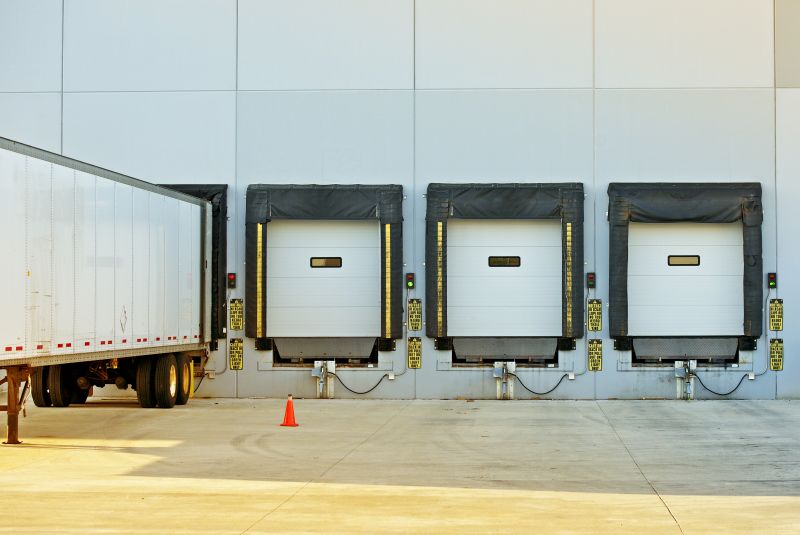
Loading bays are some of the busiest parts of an industrial site.
Vehicles are constantly arriving and leaving, pallets are being moved, equipment is operating throughout the day and staff are often working around heavy loads and machinery. With such high levels of activity, even small maintenance issues can quickly become bigger operational or safety problems.
Keeping a loading bay in good condition isn’t something to be left until equipment fails. Regular cleaning, inspections and preventative maintenance can help keep the area working safely and efficiently.
Keep the loading area clean
Good housekeeping is one of the simplest ways to maintain a loading bay properly.
Loose packaging, damaged pallets, shrink wrap and other debris must be cleared rather than accumulating around working areas. Spillages should be dealt with quickly, particularly where they could create slippery surfaces.
The Health and Safety Executive (HSE) recommends keeping workplace roads and loading areas free from obstructions and ensuring potentially hazardous materials are removed promptly. Pay particular attention to the floor and dock edge. Forklift trucks and pallet trucks repeatedly travelling over damaged surfaces can worsen existing cracks or potholes.
Inspect dock levellers regularly
Dock levellers work hard during everyday loading operations. They create a bridge between the loading bay and vehicle, accommodating differences in height so goods can be moved safely between the two. The presence of mechanical and, depending on the model, hydraulic components, necessitates regular inspection and servicing.
Look for obvious signs of damage, unusual movement, leaks or components that are not operating smoothly. Staff should also report changes in performance rather than continuing to use equipment that does not feel right. If dock leveller repairs are necessary, get them booked immediately.
Check doors, seals and shelters
Loading bay doors and dock shelters are exposed to frequent vehicle movements and changing weather conditions. Damaged seals can allow rain, cold air and debris into the warehouse, while torn dock shelters may no longer provide an effective seal around trailers. Doors should open and close properly, with tracks, controls and safety systems checked as part of routine maintenance.
That’s why it’s essential to regularly inspect these elements, then book in specialised servicing whenever irregularities are spotted.
Maintain markings and safety equipment
Loading bays rely heavily on clear visual information. Bay edges, pedestrian routes, vehicle lanes and exclusion zones should remain clearly marked. Faded paint due to constant vehicle traffic should be refreshed before markings become difficult to see. Barriers, bollards, wheel guides and guardrails should also be checked for impact damage, as after dents and dings they’re no longer as safe.
Lighting matters too. Drivers need good visibility while reversing into bays, while staff need to be able to see equipment, loads and pedestrian routes clearly. Make sure to include routine checks of lighting, mirrors, signs and markings across workplace transport areas in your schedule.
Deal with repairs quickly
A small loading bay fault can become expensive if it is ignored. A damaged bumper can expose the building or loading equipment to further impact. A minor leveller problem may eventually lead to a breakdown, while deteriorating seals can allow water into working areas.
Create a clear reporting process so that employees know how to flag defects as soon as they notice them. Where equipment is damaged or potentially unsafe, it should be assessed properly rather than temporarily worked around.
Build maintenance into the routine
Loading bay maintenance works best when it becomes part of normal site operations. Daily visual checks can identify obvious damage and debris, while planned servicing allows trained technicians to inspect mechanical equipment in greater detail.
Records of inspections, repairs and servicing also make it easier to identify recurring problems, as well as being important for compliance.
A loading bay is the gateway between the warehouse and the wider supply chain. Keeping that gateway clean, well maintained and properly repaired helps vehicles move more efficiently, protects expensive equipment and creates a safer working environment.
Also read: 6 Ways To Maintain Cleanliness Of Your Workplace
Image source: elements.envato.com