Click here to get this post in PDF
Navigating the Landscape of Commercial Insurance and Warranties
Understanding the distinct yet complementary roles of commercial insurance and warranties is fundamental to effective risk management. While both aim to protect businesses from financial loss, they address different types of risks and scenarios. Commercial insurance typically safeguards against unforeseen, sudden, and accidental events, while warranties often cover predictable issues like mechanical failures and wear and tear.
Consider the physical assets crucial to your operations, from the building itself to specialized equipment. Protecting these requires a multi-faceted approach. Commercial property insurance steps in when major perils strike, such as fires, storms, or theft. However, it generally does not cover routine equipment breakdowns or issues arising from normal use. This is where commercial warranties become indispensable, providing a layer of protection against the mechanical failures that are an inevitable part of equipment lifecycles.
The financial impact of unexpected events can be staggering. In 2023 alone, the U.S. experienced 28 climate-related disasters, resulting in a total damage cost of $92.2 billion. Such statistics underscore the critical need for robust protection strategies. A comprehensive approach involves understanding what each protection type covers and how they work together to create a resilient business framework.
To illustrate the differences and synergies, consider this comparison:
Feature Commercial Property Insurance Commercial Warranties Primary Risk Covered Sudden, accidental damage from specified perils (e.g., fire, storm, theft, vandalism) Mechanical failures, defects, wear-and-tear of specific equipment/systems Nature of Event Unforeseen and often catastrophic Predictable, often due to normal operation and aging Coverage Scope Broad protection for physical property (building, inventory, equipment) Specific protection for designated equipment or systems Exclusions (Typical) Wear-and-tear, mechanical breakdown, flood, earthquake (often requires separate policy) Accidental damage, misuse, lack of maintenance, catastrophic events Goal Financial recovery from major losses, business continuity Budget predictability for repairs, extended equipment lifespan Claims Process Often involves significant assessment of damage and cause Focuses on diagnosis and repair/replacement of covered parts This table highlights that while commercial property insurance protects against “what might happen,” commercial warranties address “what will happen” to equipment over time. Integrating both is key to comprehensive risk transfer.
Essential Coverage: Commercial Property Insurance and Warranties for Equipment
For businesses, especially those in skilled trades like HVAC and plumbing, physical assets and specialized equipment are the lifeblood of operations. Protecting these investments is paramount. Commercial property insurance is designed to cover the repair or replacement of your building, inventory, and essential equipment in the event of covered perils. This includes everything from the physical structure of your office or workshop to the valuable tools and materials stored within.
When considering commercial property insurance, it’s crucial to understand terms like “replacement cost” versus “actual cash value.” Replacement cost coverage pays for the current cost to rebuild or replace damaged property without deducting for depreciation, offering a more complete recovery. Actual cash value, conversely, factors in depreciation, meaning you might receive less than the cost to replace older items. For businesses relying on specialized tools and machinery, opting for replacement cost coverage is often a more prudent choice to ensure operational continuity.
Beyond the broad strokes of property insurance, the specific needs of equipment protection come into focus. Equipment failure, often due to mechanical breakdown or wear and tear, is typically excluded from standard commercial property policies. This is a significant gap, particularly for businesses where machinery is central to service delivery. Imagine an HVAC contractor whose main diagnostic equipment fails, or a plumber whose specialized pipe-fitting tools break down. Such incidents can lead to costly repairs, project delays, and lost revenue.
This is precisely where specialized warranties and service programs become invaluable. These protections cover the repair or replacement costs of essential business assets due to mechanical failures, defects, and normal wear-and-tear. For instance, many HVAC contractor warranties are designed to minimize business disruptions from equipment failures, ensuring that critical tools and systems are back online quickly. These programs offer predictable budgeting for repairs and can significantly extend the useful life of expensive equipment, safeguarding your investment.
Strategic Protection: Representations & Warranties in Business Transactions
Moving beyond day-to-day operations, the realm of mergers and acquisitions (M&A) introduces another critical type of protection: Representations & Warranties (R&W) insurance, sometimes referred to as Warranty & Indemnity (W&I) insurance. This specialized insurance product plays a pivotal role in facilitating M&A transactions by mitigating financial risks associated with breaches of statements made in acquisition agreements.
R&W insurance provides protection against financial losses, including defense costs, arising from unintentional and unknown breaches of the seller’s representations and warranties. These warranties are contractual statements about the condition of the target company or assets being sold. Without R&W insurance, buyers face the risk of discovering undisclosed liabilities post-acquisition, while sellers remain exposed to claims.
The benefits of R&W insurance are significant for both parties. For buyers, it offers an additional layer of protection beyond traditional indemnity caps, safeguarding against the seller’s solvency risk, especially when dealing with non-U.S. or financially distressed sellers. It can also help buyers distinguish their bids in competitive auctions by allowing for reduced escrow requirements, making their offer more attractive to sellers seeking a “clean exit” from the transaction without prolonged liability.
For sellers, particularly private equity funds nearing the end of a fund’s lifecycle or minority sellers, R&W insurance provides a mechanism for a cleaner exit. It effectively transfers the risk of warranty breaches to an insurer, allowing sellers to distribute proceeds to investors sooner and with greater certainty. This backstops the indemnity obligations, providing peace of mind and reducing the need for lengthy escrow periods.
Coverage under W&I insurance can be extensive. For fundamental and tax warranties, for example, coverage can extend up to seven years, offering long-term security against potential liabilities that might not surface immediately after a deal closes. This prolonged protection is crucial for complex transactions where the full extent of a company’s financial or operational health may take time to reveal itself. By securing such coverage, both buyers and sellers can proceed with greater confidence, knowing that unforeseen issues won’t derail the financial integrity of the transaction.
Streamlining Operations with a Business Owner’s Policy (BOP)
For small and medium-sized businesses, managing multiple insurance policies can be complex and time-consuming. This is where a Business Owner’s Policy (BOP) offers a streamlined and cost-effective solution. A BOP bundles several essential coverages into a single, comprehensive package, making it an ideal choice for many small businesses.
Typically, a BOP combines three core protections:
- Commercial Property Insurance: As discussed, this protects your business’s physical assets, including buildings, equipment, and inventory, from covered perils.
- General Liability Insurance: This is crucial for protecting your business from claims of bodily injury, property damage, advertising injury, and personal injury that occur on your premises or as a result of your operations. It covers legal defense costs and damages if your business is found liable.
- Business Income Insurance (also known as Business Interruption Insurance): This coverage is vital for maintaining financial stability if your business operations are temporarily halted due to a covered property loss. It helps replace lost income and covers ongoing expenses like rent and payroll during the period of restoration.
The primary advantage of a BOP is its convenience and potential for cost savings. By bundling these coverages, insurers often offer a lower premium than if you purchased each policy separately. This efficiency allows small business owners to focus more on their core operations and less on navigating complex insurance portfolios. For instance, the average annual premium for a Business Owner’s Policy is approximately $1,687, offering significant value for comprehensive protection.
While a BOP provides a solid foundation, it’s not a one-size-fits-all solution. Depending on your industry and specific risks, you might need additional specialized coverages. For example, businesses with employees will almost certainly need workers’ compensation insurance, and those offering professional advice or services may require professional liability insurance. Businesses operating vehicles for work will need commercial auto insurance.
However, for many small businesses, a BOP serves as an excellent starting point for liability protection and asset safeguarding. When seeking customized commercial insurance solutions, it’s always beneficial to consult with an experienced broker or agent who can assess your unique business needs and recommend the most appropriate coverages, ensuring you’re adequately protected without overpaying for unnecessary add-ons.
Future-Proofing Your Trade Business Against Emerging Risks
The landscape of business risk is constantly evolving, particularly for skilled trade sectors. Beyond traditional perils, modern businesses must contend with a new array of threats, from sophisticated cyberattacks to the intensifying impacts of natural disasters. Successfully navigating these challenges requires a forward-thinking approach to risk management, integrating both robust insurance and specialized warranty solutions.

Emerging risks demand innovative solutions. For instance, the increasing reliance on digital tools for scheduling, diagnostics, and customer management exposes trade businesses to cyber threats. A data breach could compromise sensitive customer information, leading to significant financial penalties, reputational damage, and operational disruptions. Standard commercial property insurance typically does not cover these risks, necessitating dedicated cyber insurance policies.
Similarly, the escalating frequency and severity of natural disasters, as evidenced by the significant climate-related damages observed annually, highlight the need for comprehensive property coverage that accounts for location-specific risks like floods, wildfires, and severe storms. Many standard commercial property policies exclude flood and earthquake damage, requiring separate, specialized policies to ensure adequate protection.
Beyond external threats, internal challenges like the skilled labor gap pose a significant risk to business continuity and growth. The aging workforce and the struggle to attract younger generations (like Gen Z) into skilled trades can lead to staffing shortages, increased operational costs, and a decline in service quality. Businesses are exploring innovative strategies, from AI-driven recruitment to enhanced apprenticeship programs, to address this.
Technological advancements and regulatory changes also introduce new complexities. For example, evolving HVAC regulations (such as SEER2 standards) and transitions in refrigerants necessitate continuous training and adaptation. Ensuring your team is certified and up-to-date is not only a matter of compliance but also a key factor in maintaining service quality and minimizing potential liabilities from non-compliance. Future-proofing involves staying abreast of these changes and adapting your business practices, and crucially, your insurance and warranty strategies, accordingly.
Adapting to Market Shifts: Tariffs, Regulations, and the Skilled Labor Gap
The dynamic global economy and evolving regulatory environment present continuous challenges for trade businesses. Supply chain volatility, often influenced by geopolitical factors and tariffs, can lead to unpredictable equipment costs and material shortages. This directly impacts project pricing, profitability, and delivery timelines. Businesses must build resilience into their supply chains, perhaps by diversifying suppliers or maintaining strategic inventory levels, and ensure their insurance policies can respond to related business interruption.
Regulatory changes, particularly in sectors like HVAC, are another constant. New energy efficiency standards, such as the SEER2 ratings, and the ongoing transition away from certain refrigerants, require significant investment in new equipment, training, and operational adjustments. Non-compliance can result in penalties and a competitive disadvantage. Professional organizations, such as the Air Conditioning Contractors of America (ACCA) or the Plumbing-Heating-Cooling Contractors National Association (PHCC), play a vital role in keeping members informed and prepared for these legislative updates.
Perhaps one of the most pressing long-term challenges is the skilled labor gap. The demand for qualified technicians in HVAC, plumbing, and other trades consistently outstrips supply. This shortage is exacerbated by an aging workforce and a perception among younger generations that trades are not as appealing as other career paths. Attracting Gen Z to skilled trades requires proactive strategies, including:
- Modern Apprenticeship Programs: Offering structured, paid apprenticeships with clear career progression.
- Technology Integration: Showcasing how technology, from tablet-based diagnostics to smart home systems, is integral to modern trade work.
- Educational Outreach: Partnering with schools and community colleges to promote trade careers.
- Certification and Training: Emphasizing the value of certifications like NATE (North American Technician Excellence) to demonstrate professionalism and expertise.
AI-driven recruitment tools can also help identify and engage potential candidates more efficiently. By investing in their workforce and adapting to these market shifts, trade businesses can ensure they have the talent and operational agility to thrive.
Maximizing Growth through Commercial Insurance and Warranties Integration
For trade businesses, integrating commercial insurance with specialized warranties is not merely about protection; it’s a strategic move for maximizing growth and fostering customer loyalty. When customers choose a service provider, they seek reliability and peace of mind. Offering robust warranty programs, alongside comprehensive insurance, significantly enhances a business’s brand reputation and distinguishes it in a competitive market.
Consider the impact of a strong service program. When an HVAC system installed by a contractor breaks down, the customer’s experience with the repair process directly reflects on the contractor’s brand. A readily available, efficient warranty program that covers parts and labor can turn a potential negative experience into a positive one, reinforcing trust and encouraging repeat business and referrals. This is why many businesses partner with warranty providers to offer extended coverage, ensuring customers are protected long after the manufacturer’s warranty expires.
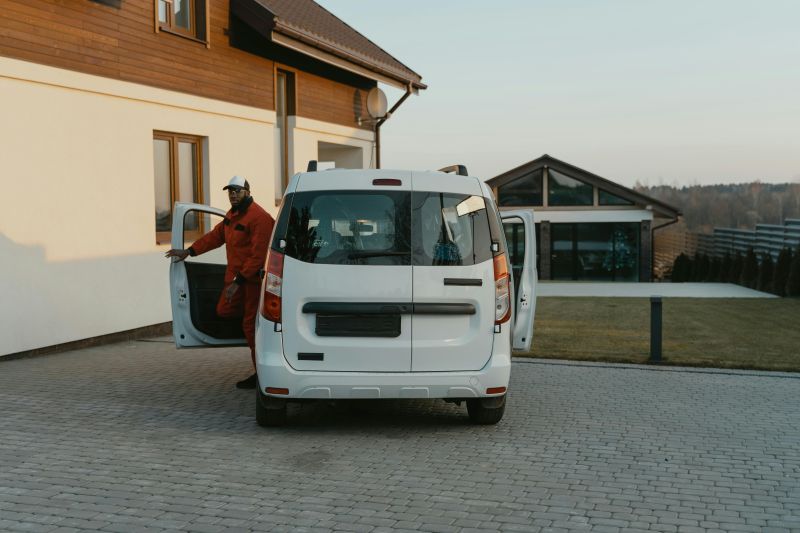
These programs also offer predictable budgeting, both for the customer and the business. For the customer, it means avoiding unexpected, costly repairs. For the business, it means fewer out-of-pocket expenses for premature equipment failures and a more predictable cost structure for managing potential service calls. Many specialized warranty providers offer nationwide service networks, ensuring that claims management is efficient and that technicians are available across broad geographic areas. This operational efficiency in claims handling, often supported by cloud-based CRM systems, is crucial for maintaining high customer satisfaction.
Furthermore, integrating these protections allows businesses to focus on growth strategies. With the financial risks of unexpected equipment failures mitigated, resources can be allocated to seasonal demand planning, marketing initiatives, and expanding service offerings. For example, a plumbing contractor offering comprehensive extended warranty solutions can leverage this as a key selling point, attracting more discerning clients who value long-term protection. This strategic integration fosters a cycle of customer loyalty, positive word-of-mouth, and sustainable business growth.
Operational Excellence: Sales, Marketing, and Professional Organizations
Achieving operational excellence in the skilled trades extends beyond technical proficiency; it encompasses effective sales, strategic marketing, and active engagement with professional organizations. These elements are crucial for building a strong brand, attracting new customers, and scaling a business successfully.
A robust online presence is non-negotiable. Digital marketing for contractors involves optimizing local SEO to ensure your business appears prominently in search results for local services. This includes maintaining an up-to-date Google Business Profile, collecting positive customer reviews, and having a mobile-friendly website. Content marketing, such as blog posts offering advice on home maintenance or energy efficiency, can also position your business as an industry authority.
Sales training is equally vital. Equipping your team with the skills to effectively communicate value, understand customer needs, and present solutions (including the benefits of warranties and insurance) can significantly boost conversion rates. A strong customer relationship management (CRM) system is essential for tracking leads, managing customer interactions, and nurturing long-term relationships. This allows for personalized communication, timely follow-ups, and the identification of opportunities for upselling or cross-selling services.
Professional organizations serve as invaluable resources for business scaling strategies. Associations like ACCA (Air Conditioning Contractors of America), PHCC (Plumbing-Heating-Cooling Contractors National Association), and various state-level trade groups offer:
- Networking Opportunities: Connecting with peers, suppliers, and potential partners.
- Continuing Education: Access to the latest industry best practices, technical training, and business management courses.
- Advocacy: Representing the interests of the trades in legislative and regulatory discussions.
- Certification Programs: Enhancing credibility and demonstrating commitment to quality.
Community engagement, through sponsorships or local events, can also strengthen brand recognition and build goodwill. Referral programs, incentivizing existing customers to recommend your services, are a cost-effective way to acquire new business. By focusing on these pillars of operational excellence, trade businesses can not only survive but thrive, building a reputation for reliability, quality, and exceptional customer service.
You may also like: CIC Services Appoints Jackson Arms as Vice President of Risk Management Consulting
Image source: Pexels.com