Click here to get this post in PDF
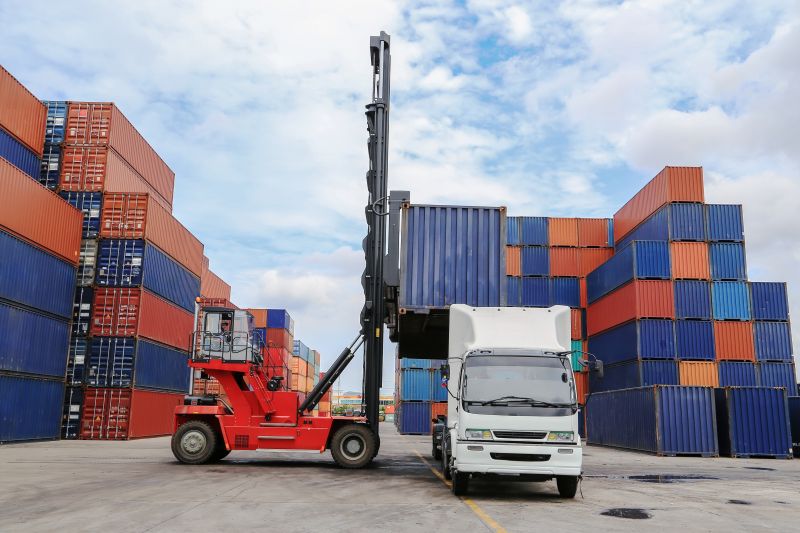
Freight moves only as well as the network behind it. When that network is weak, you see late deliveries, half empty trailers, wasted fuel, and angry customers. When the network is strong, you use every mile and every pallet. You ship smarter. This blog explains how delivery networks tighten routes, reduce empty space, and match the right freight to the right trucks. It also shows how choices like ltl vs full truckload affect cost, time, and risk. You will see how better planning, shared capacity, and clear data turn chaotic runs into steady, predictable service. You will also learn what to ask from carriers and partners so your freight does not sit, wait, or wander. Strong delivery networks protect your budget, your promises, and your sleep.
What a Delivery Network Really Does
A delivery network is the path your freight follows from door to door. It includes trucks, roads, hubs, drivers, dispatchers, and the data that ties all of them together. When this structure works, you move more freight with fewer trips. You also keep products safer and on time.
You can think about three basic jobs of a delivery network.
- Plan the best route from shipper to receiver
- Fill trucks in a smart way so space and weight are used well
- Share real time information so you can fix problems fast
The Federal Highway Administration shows that freight demand keeps rising while road space stays tight. You can see current freight trends at the FHWA Freight Analysis pages. A strong network is your main shield against rising congestion and cost.
How Delivery Networks Cut Waste
Waste in freight shows up in three common ways.
- Empty or half empty trucks
- Backtracking or long detours
- Time spent waiting at docks or yards
A good delivery network cuts all three. Here is how.
First, route design. Smart routing tools group stops that sit near each other and place them in a clean order. You avoid crisscrossing a region. You also avoid sending two trucks into the same town when one can handle the work.
Second, load planning. Network planners look across many shippers and receivers. They match freight that moves in similar lanes. You get fuller trucks and fewer trips.
Third, time control. Clear pickup and delivery windows shrink wait time. Real time updates help shippers load faster. They also help receivers staff docks at the right time.
Research from the Bureau of Transportation Statistics shows that wasted time and miles add up to heavy cost. You can review freight performance data at the BTS Freight Indicators site. A tuned delivery network pulls that cost down through steady, simple steps.
Comparing LTL and Full Truckload in a Network
Many shippers face a steady choice. You decide if a load should move as less than truckload or as full truckload. A strong network helps you pick the right option. It also blends the two when needed.
| Feature | LTL | Full Truckload |
|---|---|---|
| Typical shipment size | 1 to 6 pallets | 20 to 30 pallets |
| Use of trailer space | Shared with other shippers | Reserved for one shipper |
| Stops in transit | Multiple terminals and transfers | Usually direct from origin to destination |
| Transit time | Longer due to handling and sorting | Shorter and more predictable |
| Best for | Smaller, frequent shipments | Large, steady shipments |
| Cost per unit shipped | Higher per unit, lower total bill | Lower per unit, higher total bill |
When your network is weak, this choice feels random. You guess. You copy last month. When your network is strong, you can see patterns. You spot lanes where you ship many small loads each week. You might pool them into a planned truckload. You also see lanes where LTL keeps you flexible.
The Role of Hubs, Terminals, and Cross Docks
Hubs and terminals are the meeting points in your delivery network. Freight comes in from many shippers. It then moves out toward many receivers. When these sites are placed in smart spots, you shrink miles and time.
You can use three simple checks when you look at a hub layout.
- Distance from major customers and suppliers
- Access to highways and safe truck parking
- Ability to grow as freight volume grows
Cross dock sites pass freight from one truck to another with little or no storage. This structure cuts handling and storage cost. It also lowers damage risk. A strong network uses cross docks for fast moving freight and uses warehouses for slow or seasonal freight.
How Data Makes Networks Smarter
Data is the memory of your delivery network. Each trip gives you clues about what worked and what failed. You can use that record to cut waste step by step.
You can track three simple measures.
- On time pickup and delivery
- Trailer fill by weight and by space
- Cost per mile and cost per shipment
When you watch these numbers each week, you see trends. Maybe one route shows low trailer fill. You can combine it with another lane or change shipment size. Maybe one customer always keeps trucks waiting. You can reset appointment times or set clear rules.
Strong delivery networks share data with shippers, carriers, and receivers. That shared view builds trust. It also keeps blame from hiding problems that need a fix.
What You Should Ask Your Carrier Partners
You do not need complex tools to start improving your network. You can start with clear questions for your carrier or broker.
- How do you plan routes for my freight
- How often do my trailers leave underfilled
- What share of my shipments miss the delivery window
- How do you use LTL and truckload to lower my cost
- What data can you share with me each month
These questions show that you care about real performance. They also invite carriers to bring ideas. Many carriers already run strong networks. They can use that power to help your freight move smoother.
Why This Matters for Your Family and Community
Freight feels distant, yet it touches your home. When delivery networks work, store shelves stay stocked. Medicine reaches clinics on time. Food stays fresh. Prices stay stable. Drivers face fewer long waits and fewer rushed days. That means safer roads for your family.
When you support better delivery networks, you protect more than a budget line. You protect the people who count on those goods. You also respect the time and safety of the workers who move them.
You may not control every link in the chain. Yet you can ask hard questions, choose partners with strong networks, and use data to guide each change. Each step removes waste, stress, and doubt from your freight. That calm shows up in your balance sheet and in your daily life.
You may also like: From Dock to Door: 6 Strategies for Streamlining Your Supply Chain
Image source: elements.envato.com