Click here to get this post in PDF
Anyone who runs a small company has lived through the week when one critical machine quits. Orders back up, staff stand around, and the repair invoice turns out to be the smallest part of the damage. Owners learn to plan for that risk at work with maintenance schedules, reserve funds and backup suppliers. At home, the same people often give the equipment in the garage or utility closet no thought at all until it stops working. The gap between those two mindsets is where a surprising amount of money disappears.
A household runs on a handful of systems that behave a lot like business assets, and hot water is one of the most important. When the supply suddenly stops, or worse, when a tank starts leaking, the costs rarely stay in one column of the budget. Insurance, income, daily routines and savings can all take a hit within the same week. Looking at the problem through a business lens makes it easier to see where the money goes and how to keep more of it.
Planning for the Unit Before It Fails
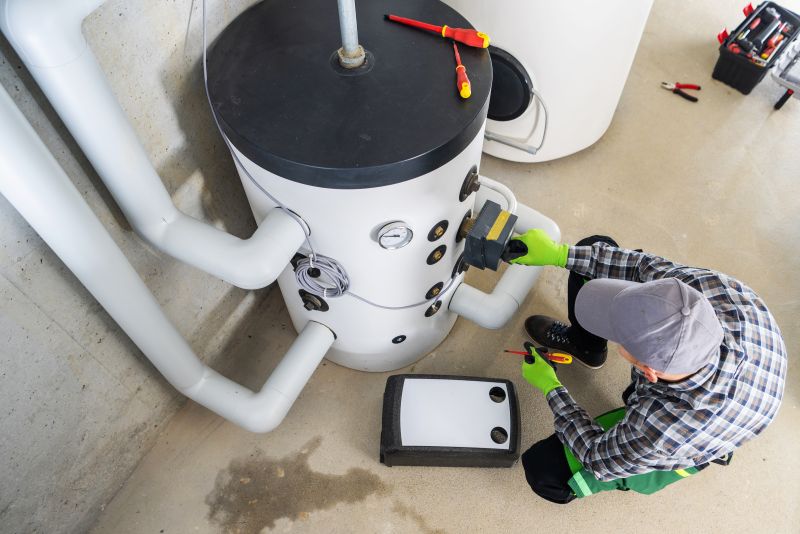
Well-run businesses log the age and condition of their equipment so that replacements happen on their schedule rather than in a crisis. As mentioned by water heater professionals, regular maintenance helps a unit run safely and efficiently for more of its expected life, much as a service contract protects a delivery van or a commercial oven. Homeowners who work with the team at Rainstone Water Heaters can schedule that kind of upkeep instead of waiting for a flooded garage to force the issue. Flushing sediment and checking safety components on a set schedule are typical tasks. Treating that work as a recurring line item is far cheaper than paying for an emergency.
Local conditions make the case for planning even stronger. Much of the water across North Texas is moderately hard to hard, so minerals settle at the bottom of a tank over time, cutting efficiency and adding wear. Garland homeowners also remember the severe winter storm of February 2021, when hard freezes stressed exposed pipes and equipment across the region. Summer brings the opposite problem, as units installed in attics and garages sit in intense heat for months. Each of these conditions shrinks the margin for neglect.
The Immediate Bill and the Damage Behind It
The repair or replacement is the cost everyone sees first. After-hours and weekend service calls usually cost more than scheduled appointments, and failures have a way of arriving at the least convenient moment. A tank that leaks instead of simply going cold changes the math entirely, because water damage now enters the equation. What began as a single appliance problem can turn into a renovation project within an afternoon. Knowing where the main shutoff valve sits, and making sure everyone in the house can reach it, limits how far the water travels.
Escaping water can ruin drywall, flooring, baseboards and anything stored nearby. Drying out the space may require fans, dehumidifiers and sometimes a professional mitigation crew to keep mold from taking hold. Even a modest leak can lead to an insurance claim, a deductible and the possibility of higher premiums at renewal. Then come the small expenses, including gym showers, laundromat runs and takeout meals while the kitchen sink fills with dishes. Each seems minor, yet together they add up faster than most people expect.
Hours Lost to a Problem at Home
For anyone who runs a business, time carries a price tag, and a household emergency takes plenty of it. Waiting on a technician, hauling belongings out of a wet room and meeting an insurance adjuster can swallow whole days. Owners who work from home lose billable hours, while those with storefronts may have to leave employees unsupervised during a busy stretch. Those hours rarely appear in anyone’s estimate of what the breakdown cost, yet for a small business they can easily outweigh the invoice itself.
In homes with two working adults, someone has to stay behind and let the crew in. That decision can mean unpaid leave, a missed deadline or a client meeting pushed to the following week. Rushed decisions add their own expense, since there is little time to compare quotes, ask questions or fit the purchase into a budget. No owner would buy essential equipment for the shop under that kind of pressure. Preparation does far more to protect the bottom line than speed once the failure has already happened.
Setting Up a Replacement Reserve
A reserve for the next unit does not need a spreadsheet full of formulas. Start by estimating what a replacement would cost and divide that figure by the number of years the current unit is likely to last. Moving that monthly amount into a separate savings account mirrors the way a company sets aside funds for future equipment. Watching the balance grow turns a dreaded surprise into a predictable expense. If the unit outlasts expectations, the money simply rolls forward toward the next home project.
The same reserve can absorb the extras that often come with a new installation. Newer models sometimes call for updated venting, fresh shutoff valves, an expansion tank, or work to meet current code. Owners of older lakeside homes by Lake Ray Hubbard and of newer subdivisions alike may want to weigh energy efficiency as well. A more efficient unit can trim monthly utility bills and gradually offset part of the purchase price. Weighing that payback against the upfront cost is the same return-on-investment thinking that guides smart purchases at work.
A Household Ledger That Stays in Balance
A single failed appliance can touch insurance, income, routines, and long-term savings in the span of a few days. Most of those costs shrink considerably with modest planning and steady attention. An accurate record of equipment age, a maintenance calendar, and a dedicated reserve cover most of the risk. None of it requires technical skill, only the discipline business owners already practice every day. A note on the calendar each year to review the unit’s age and condition takes minutes.
Homeowners who manage their houses the way they manage their companies tend to spend less on emergencies and more on improvements they choose. They book service before small problems grow, budget for replacements years ahead, and make purchases with time to compare options. That approach keeps daily life running smoothly and protects the home from damage that never needed to happen. It also leaves the family budget on firmer footing when the unexpected eventually shows up.
You may also like: Eco-Friendly AC Solutions: Boosting Your Business’s Green Credentials Through Smart Repairs
Image source: elements.envato.com