Click here to get this post in PDF
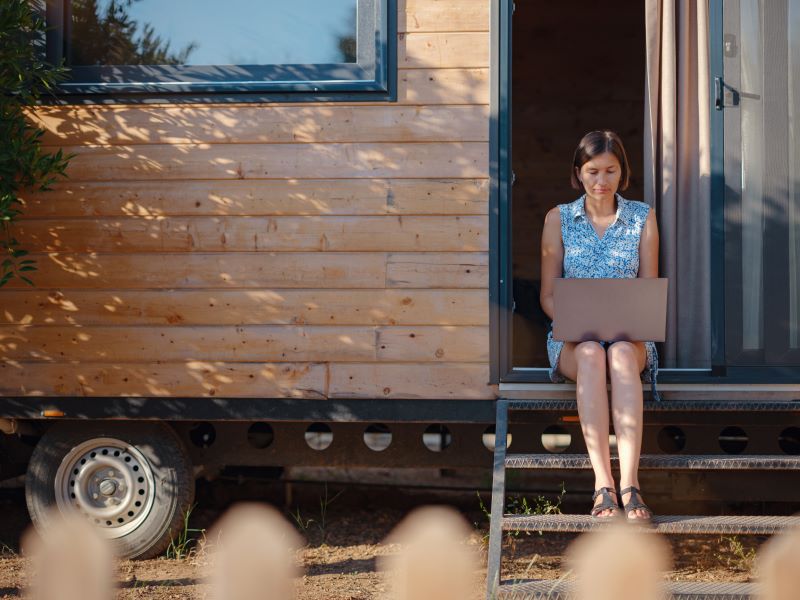
As house prices remain out of reach for millions, the viral promise of £10,000 tiny homes is gaining traction. Planning experts say the figure masks the real cost of legal living but also argue the model shouldn’t be dismissed outright.
For millions of people in the UK, owning a home feels out of reach. With the average UK house costing around £270,000, and first-time buyer deposits often exceeding £30,000 according to the UK House Price Index, the viral promise of £10,000 tiny homes has captured the imagination of renters and aspiring homeowners alike.
But experts warn that the headline figure rarely reflects the full cost of creating a legal, liveable home though they also say tiny homes can work when approached realistically.
“People see £10,000 and think they’ve found a shortcut out of the housing crisis,” said Aaron Basi, Head of Town Planning at Planning By Design. “In reality, that usually covers only the shell. The expenses to make it lawful and liveable come afterwards and they add up fast.”
Why £10k is misleading
Tiny homes compact, factory-built dwellings often marketed online as “move-in ready” are increasingly positioned as a solution to Britain’s housing affordability crisis. For renters squeezed by rising costs and adults unable to leave the family home, the appeal is obvious: no mortgage, minimal space, and a price tag that appears to bypass the market entirely.
But the £10,000 figure typically excludes key costs: transport and crane hire, foundations, utility connections, planning applications, drawings, and professional fees. Depending on the location and site requirements, these can add £10,000–£25,000 to the project.
“A tiny home can absolutely be a positive housing option,” said Gavin Nicholson, Head of Design at Planning By Design. “When it’s well designed and properly planned, it can deliver comfort, sustainability and affordability in a way larger homes often can’t.”
When tiny homes can work
Despite the caveats, tiny homes do have genuine potential. They require less material, have lower embodied carbon, and can be built more quickly than traditional housing. Their small footprint suits underused plots, backland development, and supplementary dwellings where planning rules allow.
“A well-designed tiny home can deliver comfort, sustainability, and affordability in a way that larger homes often cannot,” said Gavin Nicholson, Head of Design at Planning By Design. “The key is planning, design, and compliance from the outset.”
Tiny homes also often offer lower running costs and reduced energy demand, making them an attractive option for people seeking long-term affordability.
Design matters
Even if the build cost is controlled, poor design can undermine savings. Insufficient insulation, inefficient layouts, or non-compliant materials can drive up energy bills and maintenance costs.
“A cheap tiny home can quickly become expensive to live in if it’s badly designed,” Nicholson added. “Quality design and compliance are what make it viable over time.”
Realistic solutions, not shortcuts
Experts say tiny homes can play a role in easing housing pressures but only if expectations are grounded.
“The danger is selling £10,000 as the full cost,” Basi said. “That risks people investing savings into something they cannot legally occupy. Good planning protects people from costly mistakes while allowing innovation.”
As the UK housing crisis deepens, alternative housing models are unlikely to fade. Real affordability will come not from headline figures, but from honest conversations about planning, regulation, and what it takes to turn a small building into a home.
Thinking about a tiny home? Discover the planning rules and real costs in our full guide: https://planning-by-design.co.uk/tiny-house-planning-permission-uk/
Also read: 5 Things To Know Before Getting Into the Housing Market
Image source: elements.envato.com